Kerch Bridge Suffers Significant Damage in Ukrainian Aerial Attack
Ukraine's latest strike on the Kerch Bridge has disrupted rail traffic between Russia and Crimea.
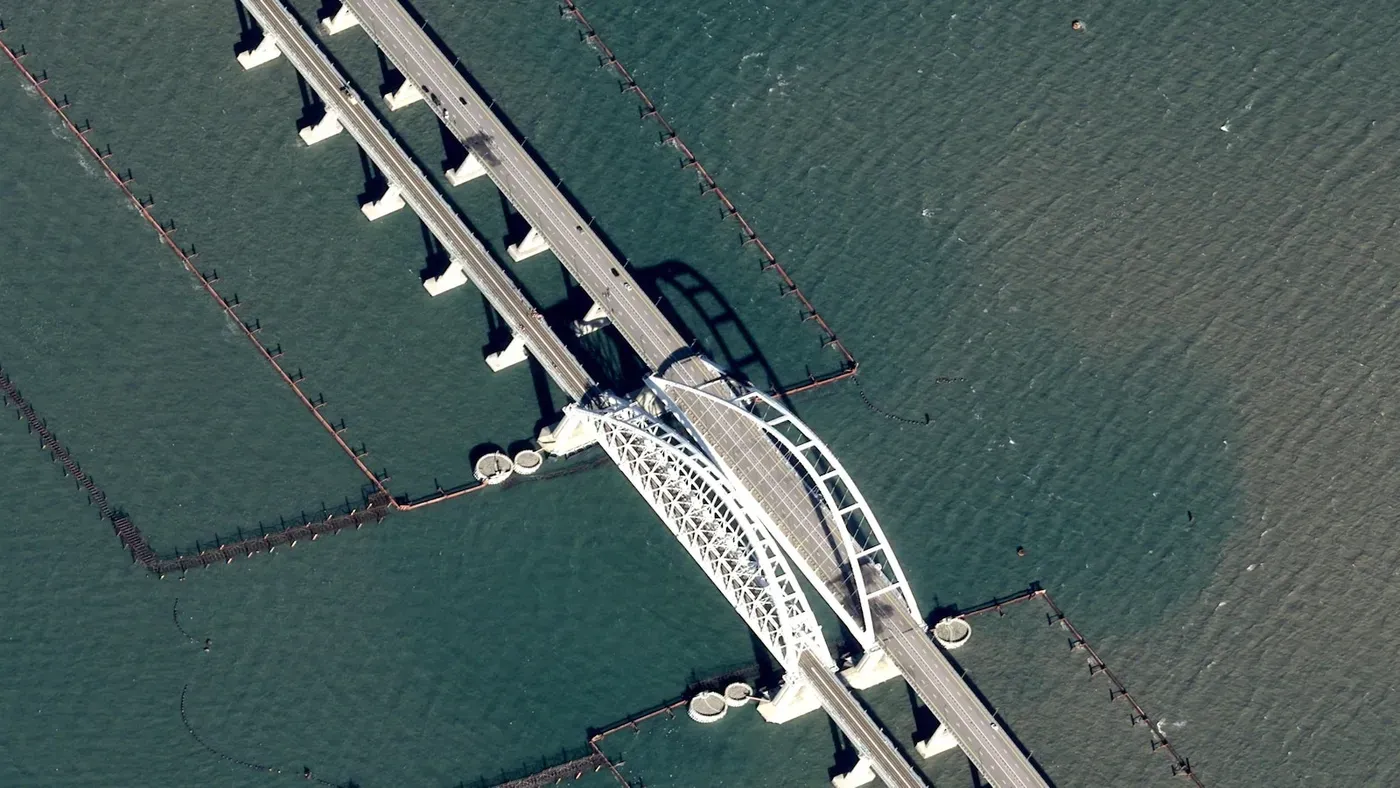
A crucial transportation link between Russia and Crimea was severely disrupted after Ukraine launched its third aerial attack on the Kerch Bridge in just four days.
The latest strike brought rail traffic to a halt across the 19-kilometer span, which connects mainland Russia to the peninsula that Moscow annexed from Ukraine in 2014. Russian authorities were forced to assess the damage and temporarily suspend train services while repairs were underway.
According to Sergei Aksyonov, the Moscow-appointed head of Crimea, rail traffic was expected to resume by around 4 p.m. local time on Thursday, although it remained unclear when the road section would be fully operational again.
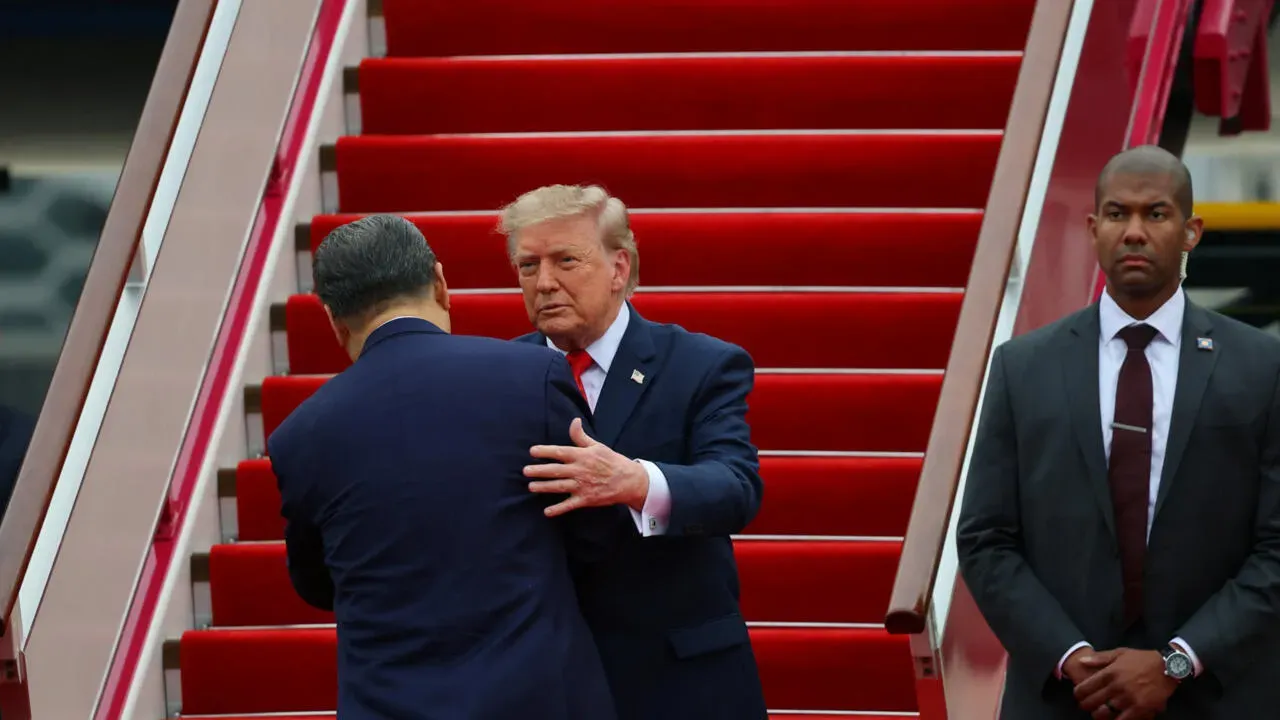
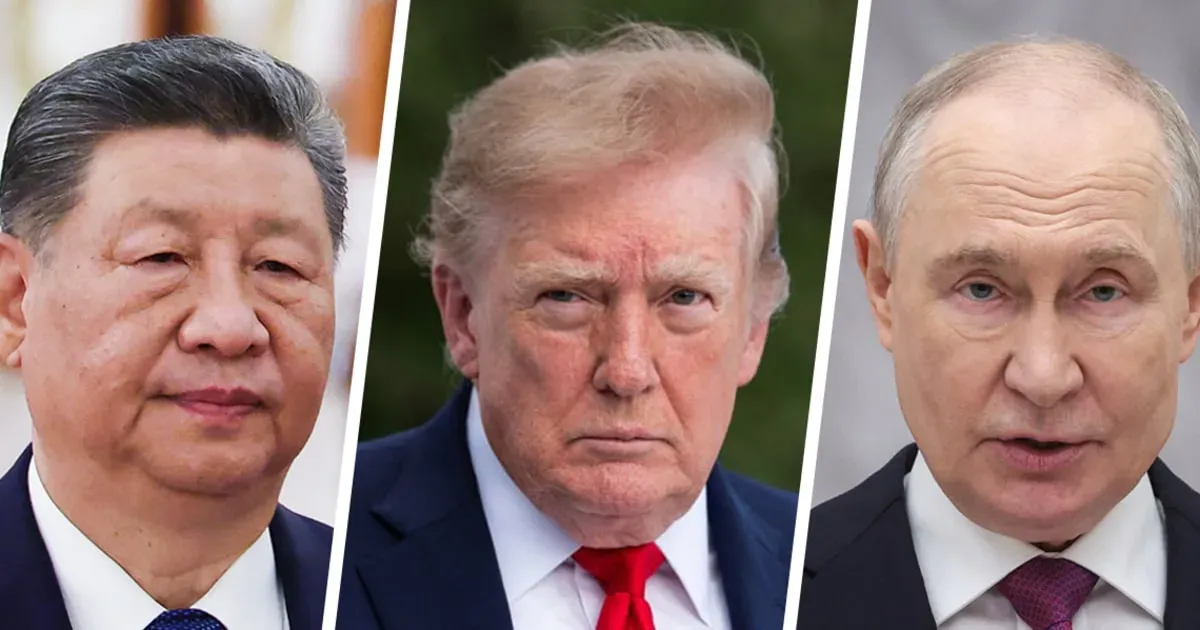
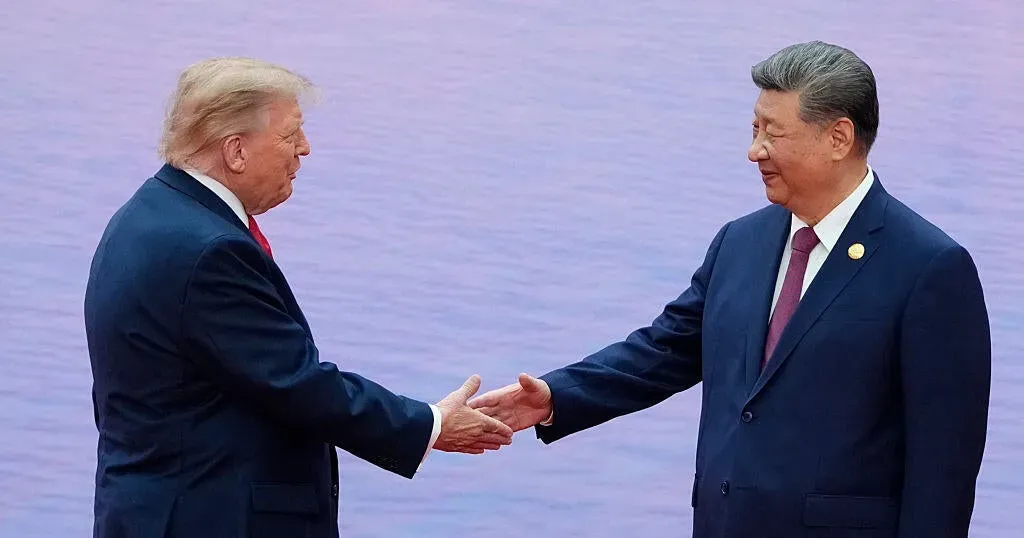
The Ukrainian strikes coincided with a high-stakes diplomatic meeting in China between Russian President Vladimir Putin and his counterparts from the US and China. The attacks served as a stark reminder that Ukraine still holds significant leverage in the conflict and undermines Moscow's claims of inevitable victory.
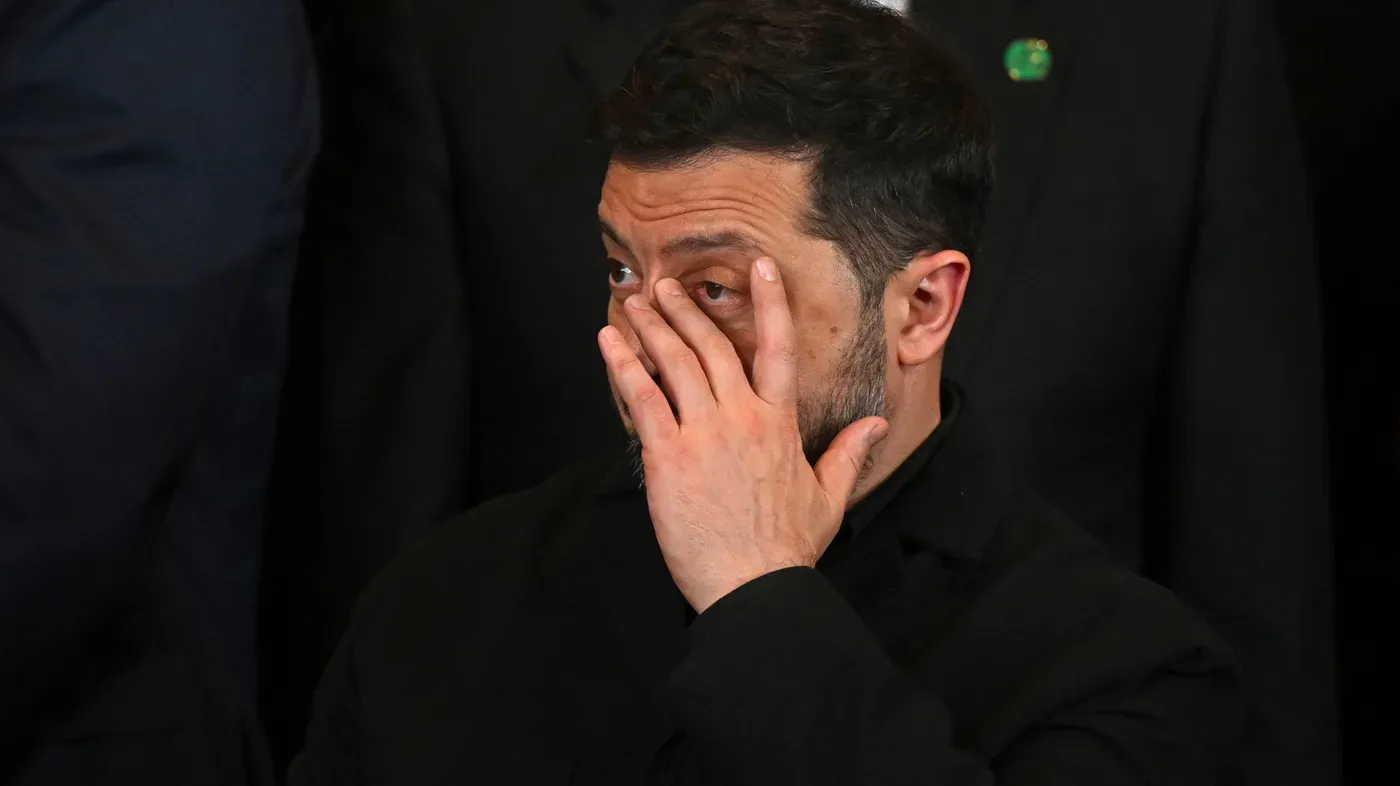
As international leaders gathered for talks in Berlin, including US envoys Jared Kushner and Steve Witkoff alongside Ukrainian President Volodymyr Zelenskyy and European leaders, the Kerch Bridge remained a potent symbol of Russia's illegal annexation of Crimea.
A significant portion of the road deck and an arch on the Kerch Bridge were severely damaged in this week's attack, which was the culmination of weeks of preparatory strikes carried out over seven stages, according to Ukrainian President Volodymyr Zelenskyy.
The latest assault used domestically produced Neptune missiles, causing damage to the train track, as confirmed by Ukraine's Defense Ministry. This development will likely cause disruption to fuel and ammunition supplies, which Russia will now need to reroute overland, where Ukrainian drones are waiting to intercept them.
Russia's air defenses reportedly intercepted 53 Ukrainian drones across 10 regions during the night, according to a statement from the Russian Defense Ministry. Meanwhile, Ukraine claimed that Russia launched anti-ship missiles and 98 drones at its territory, with hits recorded at 18 locations.
The impact of these strikes was felt beyond the military front, with Prime Minister Serhii Koretskyi announcing that at least 10 people were wounded in Russian attacks on 12 regions. Damage was reported in various areas, a testament to Russia's continued reliance on strategic bombing tactics.
As Ukraine continues to hold its ground against the Russian army's numerical superiority, Kyiv's defenses are being bolstered by domestically developed long-range drones and missiles that have been striking deep inside Russian territory, often targeting oil refineries.
Ukrainian officials are increasingly concerned that their country's fate may be decided by agreements between Donald Trump and Vladimir Putin, a notion that has sparked unease among European governments.
Meanwhile, in an effort to isolate Putin diplomatically, European leaders have imposed severe economic sanctions on Russia, while also attempting to maintain a united front against Moscow's aggressive actions.
Britain's Prince Harry recently expressed his own views on the matter, stating in an interview that he believes there is a significant disconnect between the Trump administration's stance on Ukraine and the opinions of the American people.
The relationship between Trump and Ukrainian President Volodymyr Zelenskyy has also been strained, with reports suggesting that Trump has referred to Putin as his "friend" in private conversations.
The security arrangements being discussed by European leaders are aimed at preventing a repeat of Russia's invasion of Ukraine.
Kyiv wants to guarantee that its borders remain secure without NATO military presence nearby, while Moscow seeks to keep the alliance away from its own borders. German Chancellor Friedrich Merz is set to host French President Emmanuel Macron and British Prime Minister Andy Burnham among other leaders for this meeting.
The meeting will also explore how Ukraine's European backers can fit into postwar security arrangements.
Facts based on reporting originally published by ABC News International.
You may republish this story, in full or in part, if you credit News Central Site and link to it (licence CC BY 4.0). Photos are not included.