Gstaad Palace's Refined Breakfast Experience Contrasts with Some American Hotels
A hotel's breakfast can reveal a lot about its hospitality standards, often more so than its luxurious rooms or marble lobby.
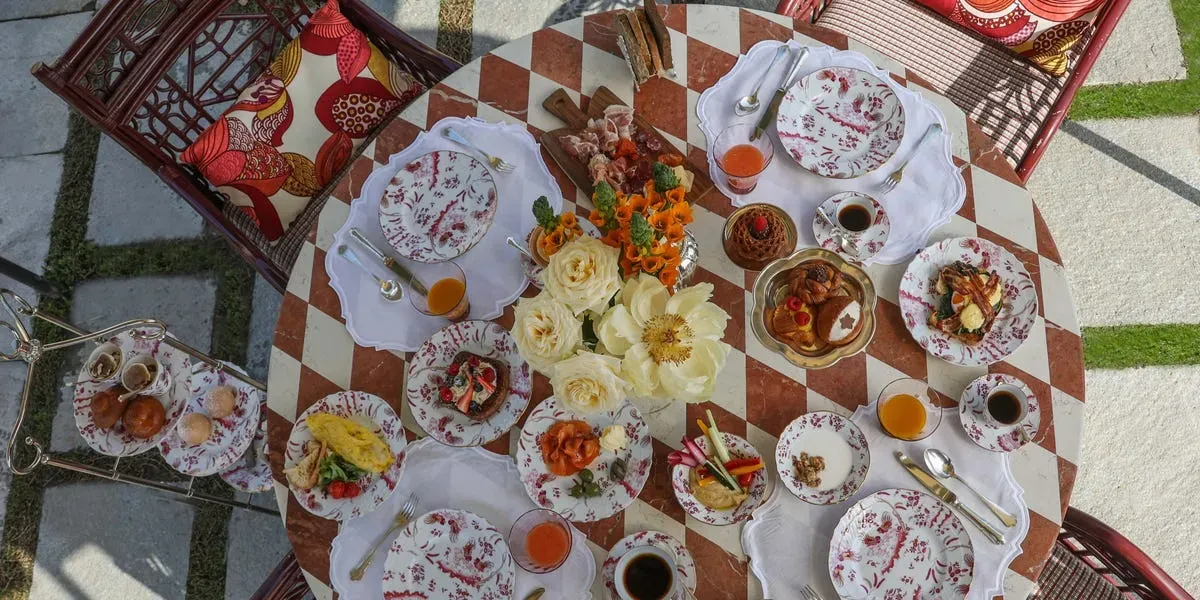
A hotel's breakfast can reveal a lot about its hospitality standards, often more so than its luxurious rooms or marble lobby.
While American hotels have made significant strides in creating elaborate breakfast buffets, they often fall short of providing a truly thoughtful experience for their guests.
This can be attributed to the fact that guests are frequently presented with a standard spread of scrambled eggs under heat lamps and mediocre bacon, accompanied by an unexpectedly high price tag - think $38 per meal.
At Gstaad Palace in Switzerland, breakfast is a refined affair where attention to detail is evident from start to finish.
At Gstaad Palace in Switzerland, breakfast is a refined affair where attention to detail is evident from start to finish. A guest's name is not just checked off a list, but also used as an opportunity for personalization. This subtle touch sets the tone for a more bespoke experience.
In contrast, some American hotels seem to prioritize quantity over quality, offering an overwhelming array of options that can be confusing rather than indulgent. Guests are left feeling processed and unattended to, rather than truly cared for. A hostess might take a guest's name, but it's the little gestures in between that make all the difference.
Nick Hatsatouris, owner of Caffé Tusk at the Evelyn Hotel in New York City, notes that great breakfasts often involve something more straightforward and uncomplicated. He emphasizes the importance of focusing on what truly matters, not just heaping on more food, but creating an experience that leaves a lasting impression.
In contrast to many American hotels, where a separate breakfast charge is often tacked on to an already steep room rate, European establishments tend to offer more inclusive dining experiences.
The focus in Europe is not just about piling on as much food as possible but rather creating a thoughtful and authentic experience that leaves a lasting impression on guests. At Gleneagles in Scotland, the Scullery serves up local specialties like charcuterie, house-made sausages, haggis, and freshly prepared eggs and pancakes.
A key aspect of successful hotel breakfasts is their ability to reflect the local culture and environment where they're located, as seen at Adare Manor in Ireland with its 132-foot-long gallery serving Irish breads, cheeses, and hot dishes.
The typical American hotel breakfast often prioritizes quantity over quality, focusing on eggs, potatoes, bacon, and sausage, which can be overwhelming for guests. This emphasis on rich ingredients is a far cry from what many European hotels offer, where lighter preparations and fresh local produce take center stage.
A well-stocked buffet with an array of options may seem appealing, but it's the simple things that truly make a hotel breakfast stand out: good coffee, freshly prepared dishes using local ingredients, and a warm welcome from staff. By stripping back the complexity and focusing on what really matters, hotels can create a more authentic and enjoyable dining experience for their guests.
Facts based on reporting originally published by Elle.
You may republish this story, in full or in part, if you credit News Central Site and link to it (licence CC BY 4.0). Photos are not included.