Choosing the Right Sweet Potato at the Store
When selecting sweet potatoes, look for ones with smooth skin and firm texture.
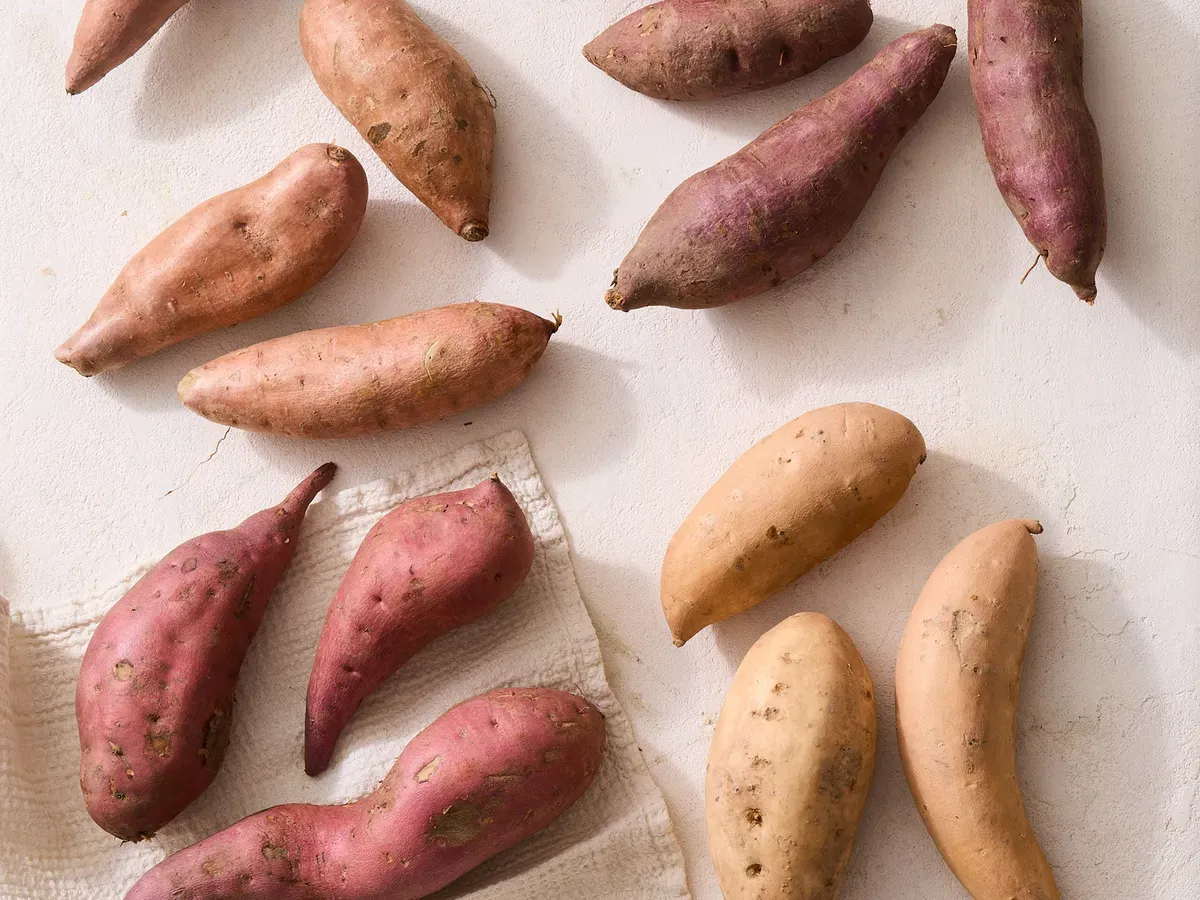
Sweet potatoes have become a seasonal staple as fall arrives, offering a rich flavor and fluffy texture that's versatile in various recipes.
From savory pies to aromatic curries, sweet potatoes are a culinary chameleon that can be enjoyed in many ways, whether roasted or served with generous amounts of butter.
Despite their widespread popularity, choosing the right sweet potato at the store often goes unnoticed.
When selecting sweet potatoes, it's essential to look for ones with smooth skin that is evenly colored. This is according to the University of Nebraska-Lincoln (UNL) extension, which emphasizes the importance of appearance in determining quality.
A slight imperfection on the surface won't necessarily affect the taste or texture of the sweet potato, as long as it's firm and free from soft spots. "A little dirt or an odd shape is no big deal," says Choung. She adds that a gentle squeeze can help to identify any inconsistencies in the texture.
However, deeper cuts or bruises may compromise the overall quality of the sweet potato. If you notice excessive sprouting, don't be alarmed, just snap off the sprouts before cooking and proceed as usual.
When roasting multiple sweet potatoes at once, it's essential to choose ones that are roughly the same size so they cook evenly. This ensures that none of them become overcooked or undercooked, which can affect their texture and flavor.
Sweet potato varieties come in a wide range of colors and flesh types, from the familiar orange-fleshed variety to Japanese and Korean drier starchier sweet potatoes with pale or deep purple flesh.
When it comes to choosing a specific variety for roasting, Choung advises that any kind will do, but if you're making a recipe that calls for a particular type of sweet potato, use that one.
When selecting a sweet potato variety for roasting, it's worth noting that there are many different types available in most grocery stores, including Garnet and Jewel. Some varieties may have specific characteristics or uses, but any type can be used for roasting. However, if a recipe calls for a particular type of sweet potato, it's best to use that one.
Local farmers' markets often carry heirloom or less common sweet potato varieties, such as "fingerling" sweet potatoes, which are small but just as sweet as full-size ones. These smaller varieties may be worth trying for their unique flavor and texture. Meanwhile, Japanese and Korean sweet potatoes can have varying characteristics due to the multiple varieties they cover.
Some popular white- or cream-fleshed sweet potato varieties include Hannah and White Triumph, while O'Henry is another option.
When selecting sweet potatoes, it's essential to be vigilant about their condition before bringing them home. This means checking for visible signs of spoilage such as mold, deep cracks, or soft spots that could lead to food waste and potentially even foodborne illness.
Variety is also key - don't limit yourself to the usual orange varieties, explore options like Japanese, Korean, purple-fleshed, and white-fleshed sweet potatoes which can add unique flavors and textures to your cooking.
Facts based on reporting originally published by Good Housekeeping.
You may republish this story, in full or in part, if you credit News Central Site and link to it (licence CC BY 4.0). Photos are not included.