Japan Issues Sovereign Climate Transition Bonds Under GX Framework
A research study has investigated how investors evaluate Japan's Green Transformation (GX) transition bonds, which offer an opportunity to study environmental commitments and financial risks.
Greenhouse gas emissions from industries like steelmaking, chemicals, and energy production require significant investment to reduce. Unlike traditional green bonds that fund specific environmentally friendly projects, climate transition bonds help carbon-intensive industries shift towards cleaner operations over time.
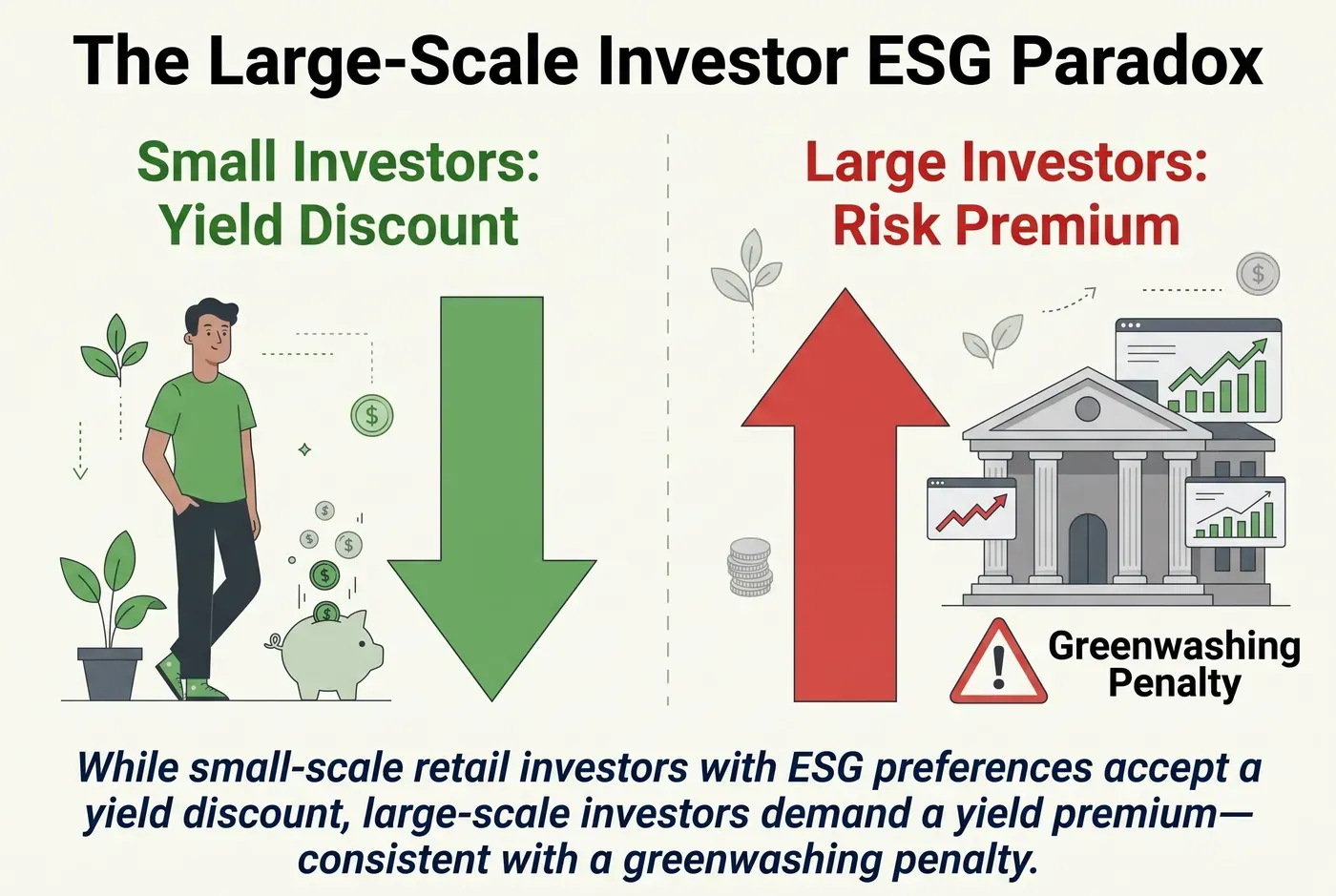
Investors are uncertain whether they will accept lower financial returns in support of decarbonization or demand higher returns due to concerns about the effectiveness of promised environmental improvements. This uncertainty poses a crucial question for the success of climate finance initiatives.
Japan was the first country to issue sovereign climate transition bonds under its Green Transformation (GX) framework in February 2024. These bonds offer an opportunity to study how environmental commitments, investor confidence, and financial risks affect the cost of raising funds for a low-carbon economy transition.
A research team led by Kentaka Aruga from Saitama University's Graduate School of Humanities and Social Sciences has investigated how investors evaluate Japan's GX transition bonds. The team collaborated with doctoral students Michał Ostrowski and Ihsan Ullah, marking one of the world's first studies on investor perceptions of GX bonds.
The study aims to shed light on the factors influencing expected financial returns for investors in GX transition bonds. By examining these dynamics, researchers can better understand how environmental commitments impact investor confidence and ultimately affect the cost of climate finance initiatives.
A key aspect of understanding how environmental commitments impact investor confidence lies in examining the dynamics between investment portfolio size and perceived risks.
The researchers surveyed a large pool of financially experienced Japanese individuals to gain insight into this relationship, analyzing data from 644 participants to identify patterns and correlations.
Through statistical analysis, the team found that concerns about the credibility of climate commitments are associated with potentially higher financing costs, highlighting the need for investors to have confidence in the promised transition.
Investors' stated return requirements were found to vary significantly, with some requiring more favorable terms than others, depending on their individual circumstances and risk tolerance.
The findings suggest that environmental preferences alone may not be enough to secure favorable financing conditions, emphasizing the importance of understanding investor behavior and its relationship with sustainability labels.
The study suggests that investors' concerns about greenwashing may drive up the cost of climate finance for carbon-intensive industries.
To address these concerns and attract necessary investment, clear transition plans are needed to guide companies in their adoption of cleaner technologies. Independent verification and transparent reporting of progress will also help strengthen investor confidence and reduce uncertainty.
By implementing these measures, investors may become more confident in their decisions, leading to more favorable financing conditions for companies transitioning to a low-carbon economy. This could support industrial decarbonization while helping governments manage the economic costs associated with the transition.
The researchers emphasize that their findings are based on investors' stated preferences and further research is required to determine whether these patterns persist in real-world financing conditions, ultimately influencing the cost of climate finance for industries transitioning to cleaner technologies.
Facts based on reporting originally published by Phys.org.
You may republish this story, in full or in part, if you credit News Central Site and link to it (licence CC BY 4.0). Photos are not included.