Japanese Funerals Become Increasingly Elaborate and Expensive
A recent national survey found that the average cost of a funeral in Japan is approximately 1.2 million yen, or about $7,600.
As you drive through Tokyo's congested Shuto Expressway, a sea of billboards surrounds you, advertising everything from dentists to car companies, and even affordable funerals. It seems like every business is trying to reach potential customers on this busy road.
For centuries, Japan's funeral system was built around family and community ties, as well as the support of Buddhist temples. This traditional framework allowed for burials to remain a staple of Japanese culture into the 20th century.
However, Japan now faces a crisis when it comes to funerals and burials. According to a recent national survey, the average cost of a funeral in Japan is approximately 1.2 million yen, or about $7,600. This is roughly one-quarter of an average Japanese worker's annual gross earnings.
As a result, many Japanese are rethinking their commitment to traditional burial practices, which can place significant financial, logistical, and emotional burdens on future generations. With the country's birthrate in decline, there are fewer people available to care for ancestral graves, making this issue even more pressing.
As a result of Japan's shift towards cremation, the traditional burial practices are being modified to accommodate the change. In many cases, family members place bone fragments in funerary urns after cremation, which they then take home to be displayed on a Buddhist altar.
These urns often contain some or all of the bone fragments from the deceased, and are later interred in permanent structures known as nōkotsudō. Nōkotsudō come in various forms, including graves, ossuaries, and columbariums, which are compartmentalized spaces for storing bones.
A significant portion of Japanese funerals involve cash gifts from mourners to help offset the costs associated with these elaborate ceremonies. Family members typically reciprocate by sending return gifts worth half the value of the original cash gift, usually within a few weeks after the funeral.
These return gifts often consist of practical items such as high-quality towels or soaps, rather than more sentimental offerings like flowers or wreaths. The focus on return gifts reflects Japan's complex and nuanced approach to death and mourning.
The post-death rituals that follow are equally intricate, with weekly ceremonies held through the 49th day after a person's passing, followed by periodic observances until at least the third anniversary of their death.
The expenses associated with purchasing a grave and interment are substantial additions to the cost of a funeral. When buying a plot, individuals must also pay for a headstone and cemetery-use fees, which can be quite high.
In Japan, the average cost of a gravestone, plot, and cemetery-use fees combined is approximately 1.52 million yen, equivalent to nearly $10,000 in US dollars. This amount is staggering when compared to an average worker's annual salary, with funeral and burial costs equating to almost 60% of their income.
However, the financial burden does not end after the initial interment. Municipal and private cemeteries charge annual fees for land maintenance, which are passed on to descendants who continue to care for the grave. This includes performing Buddhist rituals at the site to ensure the deceased person's well-being in the afterlife.
These annual fees vary depending on the cemetery or temple, with most Tokyo municipal cemeteries charging less than $40 per year. Descendants are also responsible for visiting and maintaining the grave, making offerings, and keeping the surrounding area tidy.
If a grave is abandoned and annual maintenance fees go unpaid, it can be effectively repossessed by the cemetery or temple. In such cases, the bones in the repurposed grave are typically reinterred in a communal ossuary or columbarium.
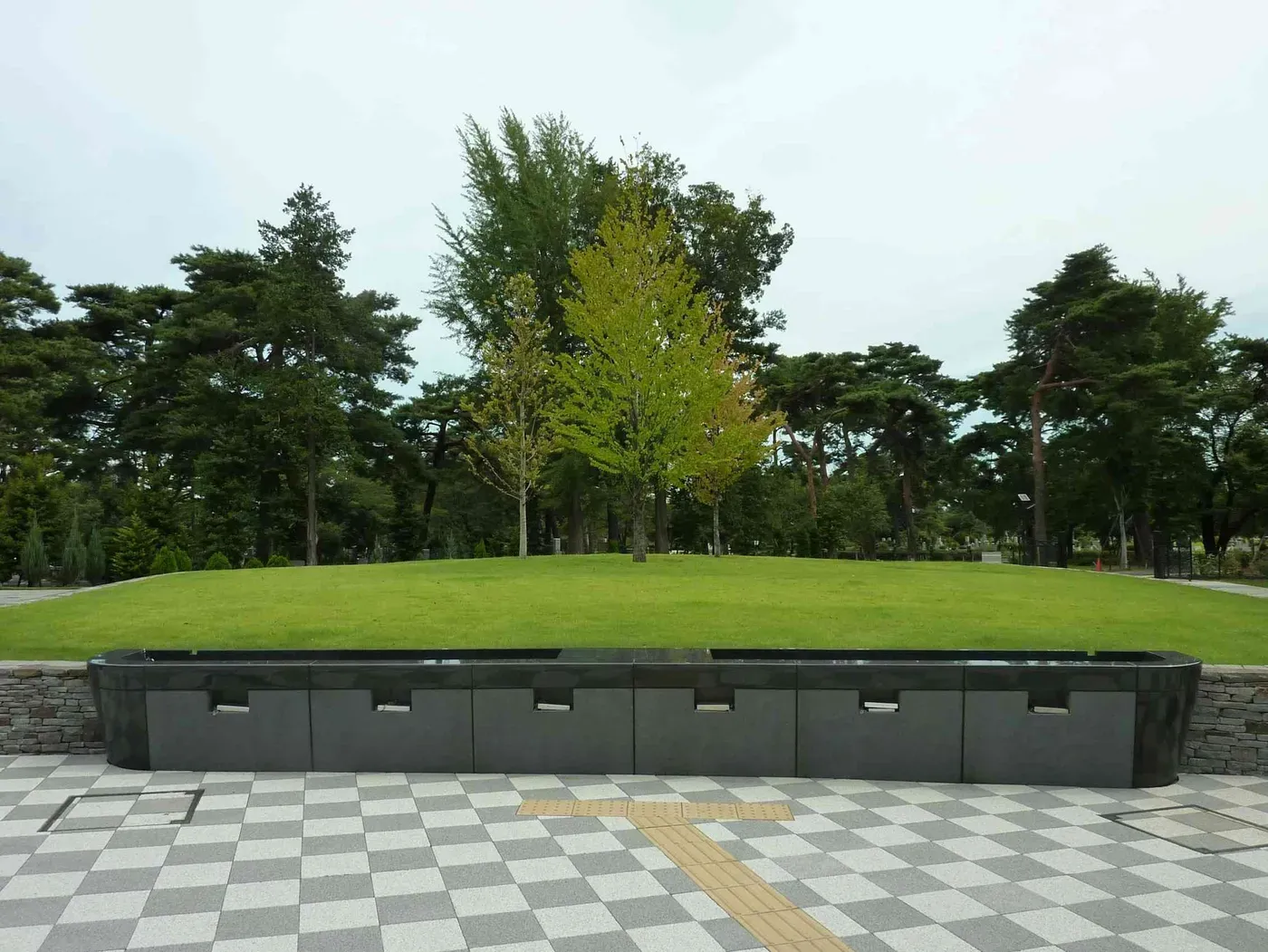
The combination of declining birth rates, limited grave plots, and ongoing costs has led to an increasing interest in alternatives to traditional graves. One popular option is the "tree burial," also known as "jumokusō, where the deceased's remains are buried in or around a tree.
In recent years, Tokyo Metropolitan public cemeteries have introduced a new type of burial option called Forest Type" or "Jūrin-gata. This unique approach involves interring cremated remains in silk bags into designated plots of land, allowing individuals to reserve a burial spot and avoid management fees for eternity.
Unlike regular graves at these cemeteries, where spots are allocated on a first-come, first-served basis due to the unpredictable nature of death, Forest Type burials offer more flexibility. This option has gained popularity among those seeking a more permanent solution to their final resting place.
In addition to individual graves and Forest Type burials, some people opt for ossuaries and columbariums as an alternative. These structures come in various styles, from traditional Buddhist altars to modern locker-style housing for urns. Some even feature automated systems that store urns in a centralized location, making it easier for families to visit and pay their respects.
One such example is the communal ossuary, where the remains of multiple individuals are mixed together either immediately or after a specified period. This approach raises interesting questions about the nature of individual identity and the concept of self.
The practice of creating bone buddhas has been a rare sight in Japanese temples for centuries. This unique tradition was born out of necessity, as temples struggled to manage the remains of individuals who had no family to claim them.
These bone buddhas are not just a creative solution but also a beautiful one. Temples that still offer this service accept not only complete skeletons but also partial bones or even small amounts of skeletal remains.
As people opt for more modern burial practices, temples that once cared for the dead are now facing an unusual problem: what to do with the abandoned and neglected graves left behind. The process of hakajimai is becoming increasingly popular as families seek to disinter their loved ones and reinter them in a communal ossuary.
The shift towards hakajimai reflects a broader societal trend, where individuals are seeking ways to break free from the logistical, financial, and emotional burdens of maintaining family graves.
In recent years, Japan has seen a significant shift towards a new approach to ancestral care, known as hakajimai". This trend involves not maintaining individual family graves, but rather, sharing a single grave among multiple families. The shared grave is often located in a large cemetery, and the families take turns caring for it.
The growing popularity of hakajimai reflects Japan's changing demographics, including declining birthrates and increasing costs associated with funeral services. As a result, many individuals are seeking more affordable and practical solutions to ancestral care.
Facts based on reporting originally published by Phys.org.
You may republish this story, in full or in part, if you credit News Central Site and link to it (licence CC BY 4.0). Photos are not included.