Israeli President Isaac Herzog Selects Gadi Eisenkot to Form New Government
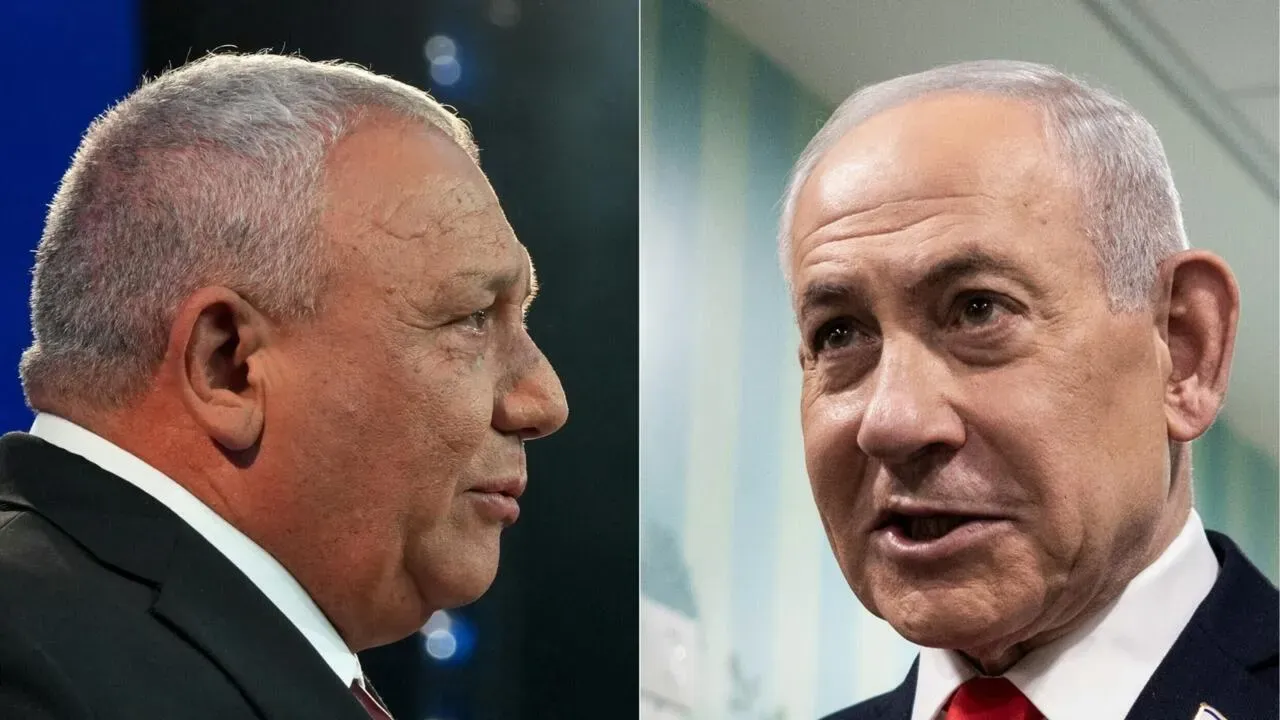
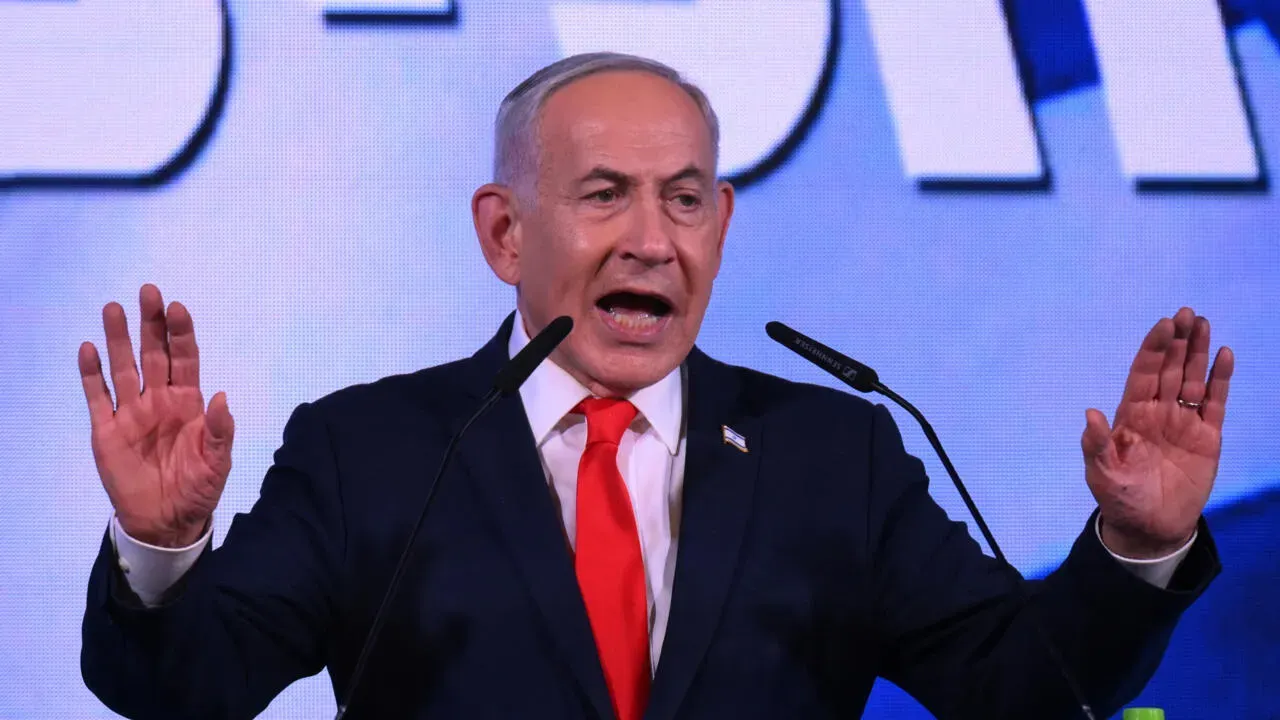
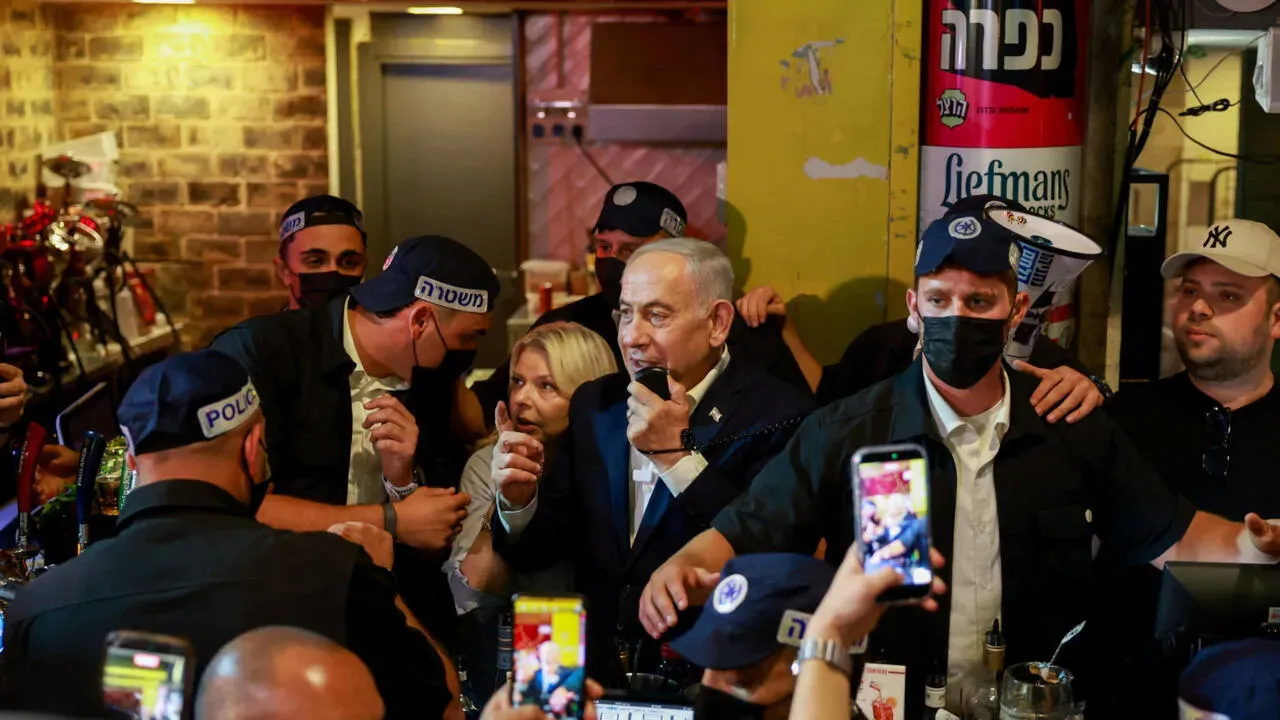
Isaac Herzog has selected Gadi Eisenkot to attempt to form a new government following last month's parliamentary elections. The move comes after the polls left neither Eisenkot nor Prime Minister Benjamin Netanyahu with a clear majority.
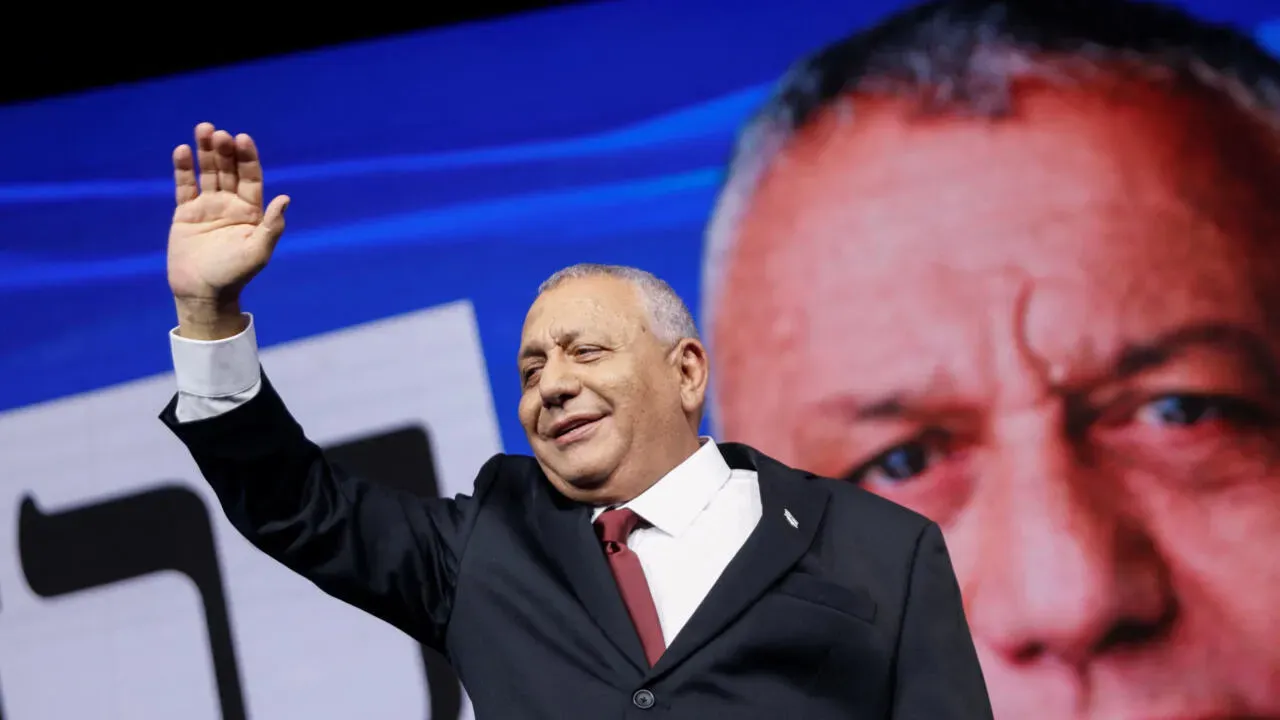
Israeli President Isaac Herzog has selected former military chief Gadi Eisenkot to attempt to form a new government following last month's parliamentary elections. The move comes after the polls left neither Eisenkot nor Prime Minister Benjamin Netanyahu with a clear majority.
Eisenkot is Netanyahu's strongest rival, and his selection by Herzog marks a significant development in the ongoing political stalemate. The elections saw Netanyahu's religious-nationalist coalition lose its majority, but it remains the largest bloc in parliament.
The anti-Netanyahu bloc led by Eisenkot has refused to collaborate with Arab parties that could potentially hand them a majority. However, despite this, Arab leaders have nominated Eisenkot for the role of forming a new government after marathon talks with Herzog.
Eisenkot's selection will now see him attempting to build a coalition and secure a majority in parliament, presenting a challenge to Netanyahu's bid to remain in power as Israel's longest-serving leader.
The Israeli president has entrusted Gadi Eisenkot with the task of forming a government, following weeks of intense negotiations after the recent elections. As per presidential protocol, Eisenkot will now attempt to assemble a coalition in parliament, which is expected to be a complex and challenging process.
With a 28-day deadline to form a government, Eisenkot has three potential pathways to power: attempting to create a minority government with support from Arab parties, forming an alliance with ultra-Orthodox groups he had previously shunned, or forging a unity government with incumbent Prime Minister Netanyahu. However, analysts suggest that all these options are unlikely to materialize.
Eisenkot's selection comes as a result of the failure of Netanyahu's wider religious-nationalist coalition to secure a majority in parliament, despite winning the most seats for any single party. With only 53 seats out of a total 120, Netanyahu's chances of remaining in power appear slim. The Likud party secured 27 seats, but it was not enough to guarantee a continuation of Netanyahu's tenure.
The process of forming a government is expected to be protracted, with the possibility of extensions and further negotiations. If Eisenkot fails to assemble a coalition, another candidate will be nominated to attempt to form a government, with the option of holding new elections if all else fails.
Eisenkot's Yashar party secured 21 seats, emerging as the second-largest party in the election. This significant showing enabled Eisenkot to form a coalition government, comprising four centre-left to right-wing Jewish-led parties that collectively won 48 seats.
However, this tally fell short of an outright majority, leaving Eisenkot with the daunting task of assembling a stable coalition. His background as a military commander, who oversaw operations in Lebanon, has been highlighted by his campaign team as a key asset in navigating Israel's complex security landscape.
Eisenkot comes from a unique cultural heritage, being the son of Moroccan immigrants, and would be the first prime minister from Israel's Mizrahi community. This demographic shift is significant, given that Jews tracing their roots to the Middle East and North Africa have historically been underrepresented in Israeli politics.
The personal costs of Eisenkot's involvement in national service are also well-documented, with his family having suffered the loss of a son and two nephews during combat in Gaza since 2023.
Eisenkot's views on Israel's military doctrine are at odds with his new role as prime minister-designate. He has expressed opposition to a policy known as "Dahiya Doctrine", named after a Beirut suburb devastated by war, which authorizes the use of disproportionate force against civilian infrastructure.
Critics have accused Israel of committing war crimes in Gaza, where over 74,000 Palestinians have lost their lives since the assault began. However, Israel disputes these claims and maintains that its actions are justified under military necessity.
Facts based on reporting originally published by France 24 English.
You may republish this story, in full or in part, if you credit News Central Site and link to it (licence CC BY 4.0). Photos are not included.