iPhone Magnetic Accessories Can Interfere with Rear-Facing Camera
The issue affects iPhone 18 Pro and Pro Max users who rely on magnetic accessories for their phone's casing.
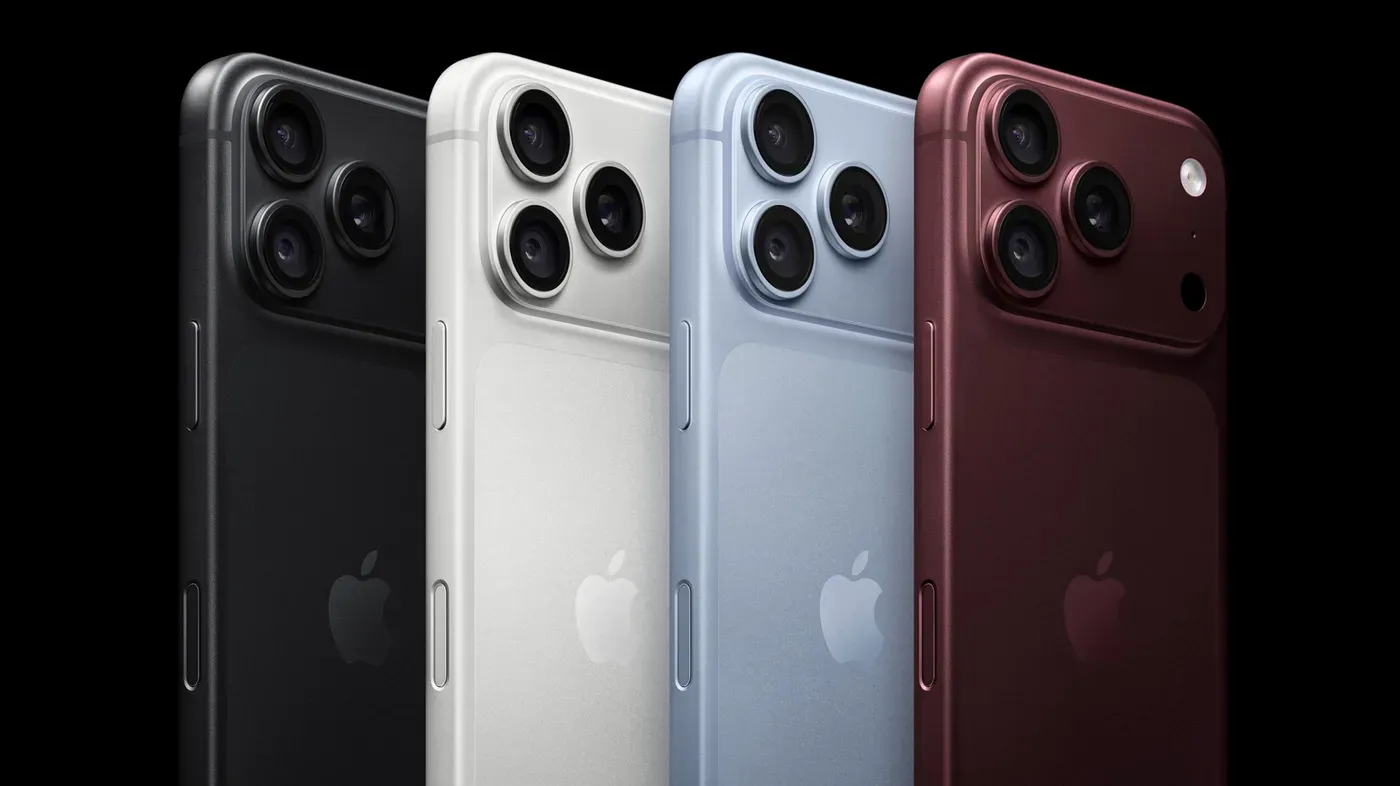
A recent development has come to light that may affect iPhone users who rely on magnetic accessories for their phone's casing. It appears that these strong magnets and magnetized metal plates can interfere with the rear-facing camera of the latest iPhone models.
The issue is particularly relevant given Apple's new advanced camera system, introduced in its iPhone 18 Pro and Pro Max lineup. The new Fusion Main camera boasts a 48-megapixel sensor, variable aperture, low-light capabilities, and pro controls for improved image quality.
Magnetic accessories are common among iPhone users, often used in conjunction with removable grips, car mounts, power banks, or ring lights. These devices typically rely on strong magnetic fields to stick to the phone's casing, but it seems these magnets can cause problems for the camera system.
In some cases, this interference may result in blurry images due to the lens-position sensors being disabled by the magnetic fields. Apple has acknowledged this issue and warns of potential damage from auxiliary factors such as high amplitude vibrations.
The impact of magnetic accessories on iPhone cameras is a concern for users who rely on these devices for photography. As more people take advantage of their phone's advanced camera capabilities, it's essential to be aware of this potential issue and explore alternative solutions that won't compromise image quality.
The iPhone's rear-facing camera relies on advanced technologies to ensure clear and stable images. One of these is optical image stabilization (OIS), which uses a gyroscope to sense movement when taking a photo. This allows the lens to adjust its position in sync with the gyroscope's readings, reducing blur and resulting in sharper images.
Another technology used by the iPhone is closed-loop autofocus, which employs onboard accelerometers to measure external factors like gravity and vibrations. These magnetic sensors then compensate for these disturbances by adjusting the camera's lens focus, preserving sharpness in videos, panoramas, and stills.
However, magnets can interfere with this delicate process. Strong magnetic fields can disrupt the functioning of lens-position sensors, which are sensitive to such interference. When a magnet is placed too close to the camera lens, motion sensing accuracy may be compromised.
As a result, the range of the camera's lens may also be limited. In some cases, the autofocus and OIS sensors may even be disabled, but the camera will still be able to take photos using alternative stabilization methods.
The impact of magnets on the iPhone's rear-facing camera highlights the importance of being mindful of potential interference sources when taking photos or recording videos.
Avoiding accessories with strong magnets is the most straightforward solution to this problem. This includes third-party products such as latch folio covers and car mounts that contain powerful magnetic fields.
When choosing new iPhone accessories, it's essential to consider whether they may compromise picture quality due to their magnetic properties. While avoiding magnets doesn't guarantee camera issues will be resolved, it is a necessary step in troubleshooting the problem.
Facts based on reporting originally published by Engadget.
You may republish this story, in full or in part, if you credit News Central Site and link to it (licence CC BY 4.0). Photos are not included.