Android Car Manufacturers Ditch Phone Mirroring Apps
Car manufacturers are increasingly ditching phone mirroring applications like Android Auto and Apple CarPlay in favor of native infotainment systems.
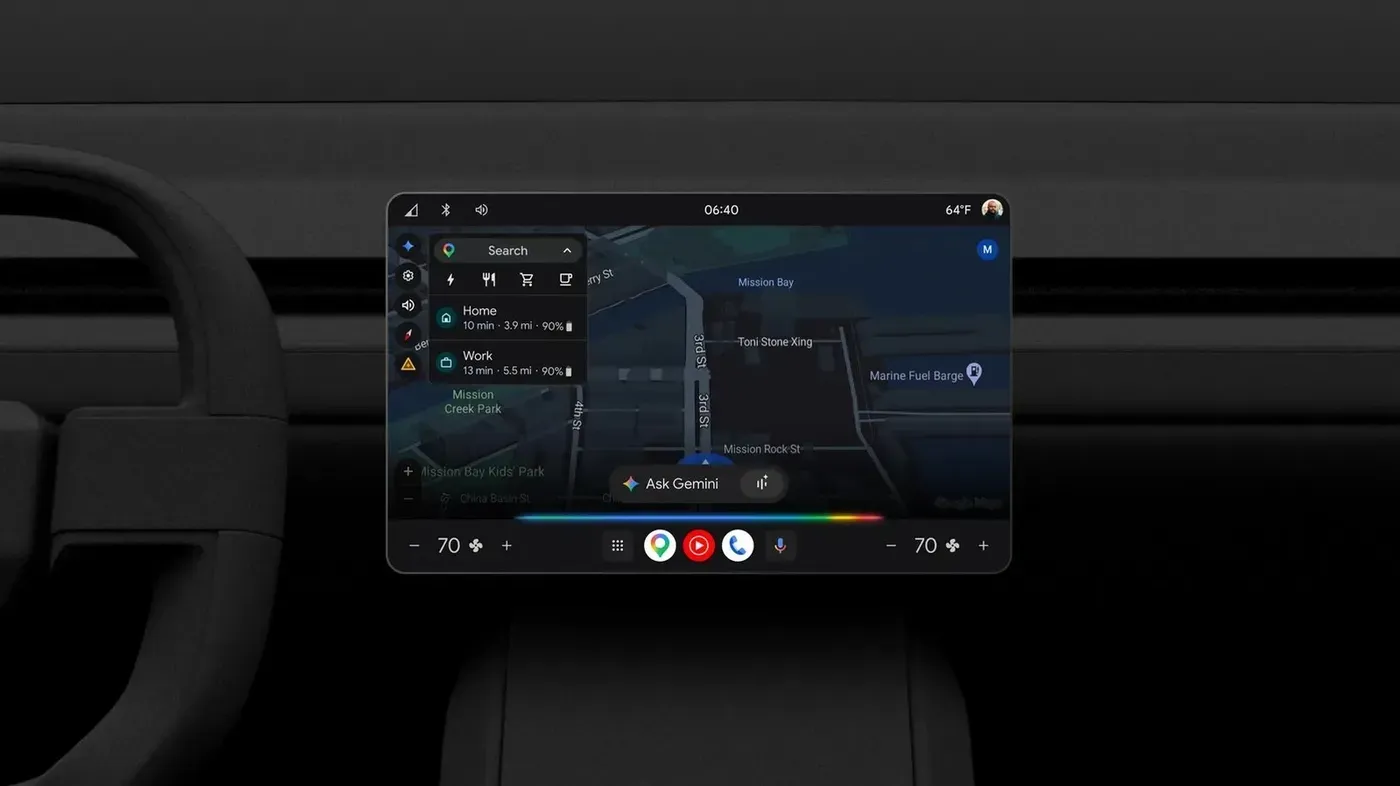
Car manufacturers are increasingly ditching phone mirroring applications like Android Auto and Apple CarPlay in favor of native infotainment systems that integrate directly into their vehicles.
This shift towards more comprehensive in-car solutions has been facilitated by Google's support for two separate software stacks: Android Automotive and Google Built-in. While these platforms share a common thread with the popular Android OS, they are designed to run independently within a car's infotainment system.
One of the key differences between Android Automotive and Google Built-in lies in their respective architectures. Android Automotive is an operating system that can be customized by manufacturers to provide a unique user experience for each vehicle brand. In contrast, Google Built-in is more closely tied to Google's own ecosystem, with a focus on integrating seamlessly with other Google services.
The introduction of these native infotainment systems has sparked controversy among some car owners who are concerned about the potential for built-in systems to generate additional revenue through subscription models or data collection. Automakers have countered these criticisms by highlighting the benefits of more seamless connectivity between drivers and their vehicles.
Manufacturers such as General Motors have already begun to transition away from Android Auto, with GM adopting Google Built-in in 2023 as its preferred infotainment solution. This shift is part of a broader trend towards greater adoption of native infotainment systems that integrate directly into cars rather than relying on phone mirroring applications.
The distinction between Android Automotive and Google Built-in may seem subtle at first glance, but it can have a significant impact on the overall customer experience. As car manufacturers continue to evolve their in-car technology, understanding these differences will be crucial for consumers looking to navigate this rapidly changing landscape.
Car manufacturers are turning to Android Automotive, a full-stack software solution that powers various in-car systems, including radios and climate controls. This open-source platform allows companies to design their own infotainment systems using Google's architecture, giving them flexibility to create brand-specific features.
One of the key benefits of Android Automotive is its customizability, enabling manufacturers to add their own applications and tailor layouts according to their preferences. Some drivers may not even realize that their system is powered by Google, as seen in Rivian's approach with its Rivian OS infotainment system.
In contrast, Google Built-in is a group of licensed applications that car makers integrate into their Android automotive systems. This collection debuted in 2020 and includes popular services like Google Maps and Gemini, which has replaced Google Assistant as the go-to chatbot passenger in many vehicles.
Manufacturers that opt for Google Built-in provide customers with access to the Google Play Store, where they can download media applications such as Spotify and YouTube. Currently, sixteen brands have licensed Google Built-in, including Honda, Volvo, Chevy, Nissan, Ford, BYD, and Renault.
The distinction between Android Automotive and Google Built-in may become more pronounced in the future, particularly with Google's increasing focus on advanced AI features within its Built-in applications. As these capabilities expand, they will likely be integrated across various car brands that license Google Built-in.
For now, consumers must navigate a complex landscape of in-car technology options, making it essential to understand the differences between Android Automotive and Google Built-in to make informed decisions when choosing their next vehicle or infotainment system upgrade.
Google's latest addition to its Google Built-in car suite is bringing a significant boost to voice-activated AI features for drivers. The integration of Gemini, Google's flagship chatbot, into the system brings real-time traffic updates, EV-tailored routing, and smart navigations to the Google Maps application.
The benefits don't stop there - drivers can also use Gemini to check their email and messages, create playlists, or even order dinner while on the go. One of the most innovative features is Gemini Live, which allows users to chat with Gemini about their destination, providing an additional layer of guidance for navigating unfamiliar areas.
Google's rollout of Gemini started earlier this summer, initially targeting cars that support its phone mirroring application, Android Auto. However, it has since expanded to popular brands with Google Built-in software systems, including Honda, Chevrolet, and Volvo.
Not all manufacturers are adopting the same approach - some have chosen to develop their own AI assistants instead. Ford and Rivian are two notable examples of companies that are investing in homegrown agents. Meanwhile, GM is taking a dual-track approach by introducing Gemini to its Google Built-in software system while simultaneously developing its own proprietary in-vehicle AI.
GM's executive Anna Santos has hinted at the capabilities of their upcoming AI assistant, stating it will leverage "GM vehicle knowledge and OnStar intelligence" to provide more advanced features. The development of these homegrown agents reflects the broader infotainment landscape, where manufacturers are racing to incorporate AI into their vehicles while also developing proprietary solutions.
As Google's approach to in-car software systems continues to evolve, one thing is clear: consumers must navigate a complex landscape of in-vehicle technology options with care, making informed decisions when choosing between different systems and features.
Facts based on reporting originally published by Engadget.
You may republish this story, in full or in part, if you credit News Central Site and link to it (licence CC BY 4.0). Photos are not included.