Home Depot Expands Use of Electronic Shelf Labels Across Stores
The retailer is set to expand its use of electronic shelf labels (ESLs) across its stores to provide customers with real-time information about product availability and delivery schedules.
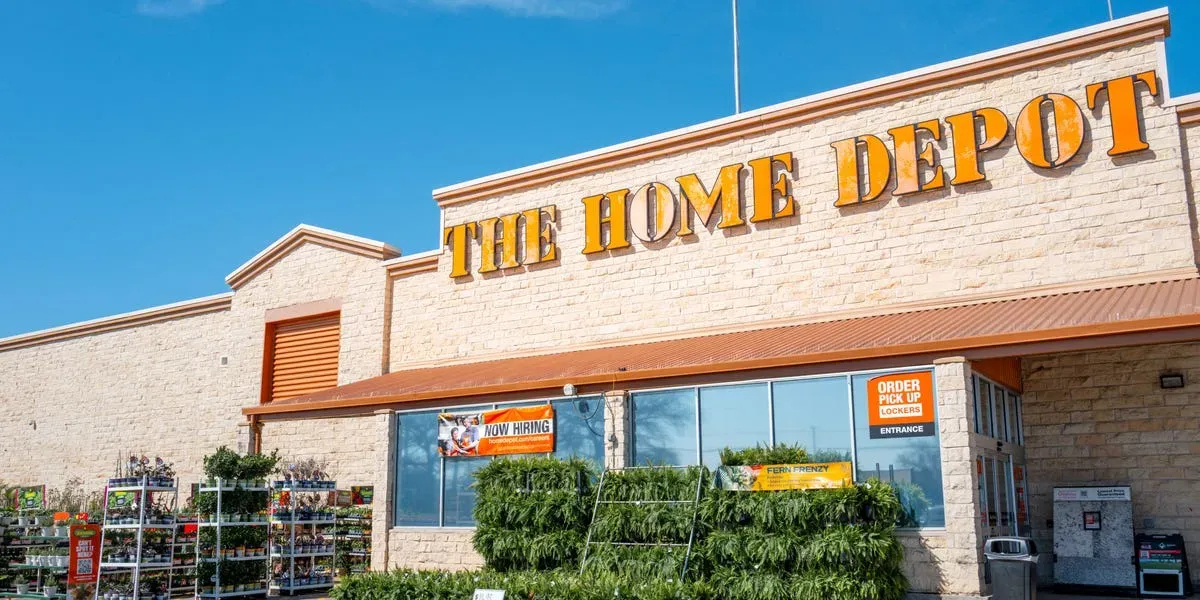
The Home Depot is set to expand its use of electronic shelf labels (ESLs) across its stores, according to its Chief Information Officer Angie Brown.
These digital tags are designed to provide customers with real-time information about product availability and delivery schedules.
In an interview, Brown revealed that the retailer views ESLs as a tool for improving operational efficiency rather than dynamic pricing, which would see consumers paying different prices based on their location or time of purchase.
The company's use of ESLs aims to enhance the shopping experience by providing customers with accurate information about product availability and delivery timing.
Electronic shelf labels (ESLs) are being rolled out by several major retailers, including Walmart, Kroger, Best Buy, and Whole Foods, in an effort to provide customers with more accurate information about product availability and delivery timing.
Retailers have responded to consumer concerns that ESLs could be used to dynamically adjust prices during busy shopping periods or target specific customers with different prices. In fact, some state lawmakers have taken steps to address these worries, such as New Jersey's yearlong moratorium on the implementation of new ESL technology.
Maryland has also passed legislation requiring grocery stores to keep electronically displayed prices unchanged for a full business day, in an effort to reassure consumers that their prices will remain stable. This move is part of a broader trend among retailers to address concerns about dynamic pricing and customer data privacy.
Walmart's CEO, John Furner, has even gone so far as to write a memo to customers and employees explicitly stating that the technology won't be used to adjust prices, in an effort to alleviate consumer anxiety about ESLs.
Home Depot's IT chief has clarified the purpose of electronic shelf labels (ESLs) used in its stores, alleviating concerns that they might be used to adjust prices based on individual customers or time of day.
The technology has been employed by Home Depot for several years, with a focus on the appliance section. However, according to Brown, the company sees ESLs as an operational tool rather than a pricing strategy. This distinction is likely aimed at addressing consumer anxiety about potentially discriminatory pricing practices.
Home Depot has been testing ESLs since 2020, initially using them in the appliances section before expanding their use to other departments. The retailer is also exploring ways to utilize ESLs in its stores, such as illuminating products for delivery workers and employees to locate quickly.
Home Depot's digital price tags will display prices based on individual commodity markets for items such as building materials and garden goods. This means that prices may vary depending on fluctuations in these specific market sectors.
The retailer has also clarified its pricing policy for Pro customers who receive bulk discounts when they exceed certain purchasing thresholds, stating that these prices are set by transparent rules rather than personal data. Brown emphasized that the primary goal of ESLs is to provide a consistent price experience for all customers, ensuring that one customer's price is not different from another's.
Facts based on reporting originally published by Business Insider.
You may republish this story, in full or in part, if you credit News Central Site and link to it (licence CC BY 4.0). Photos are not included.