Haitians Support El Salvador's President Bukele Amid Gang Violence
Thousands of Haitians took to the streets on Tuesday to show support for El Salvador's President Nayib Bukele and his troops who have been battling gangs in Haiti.
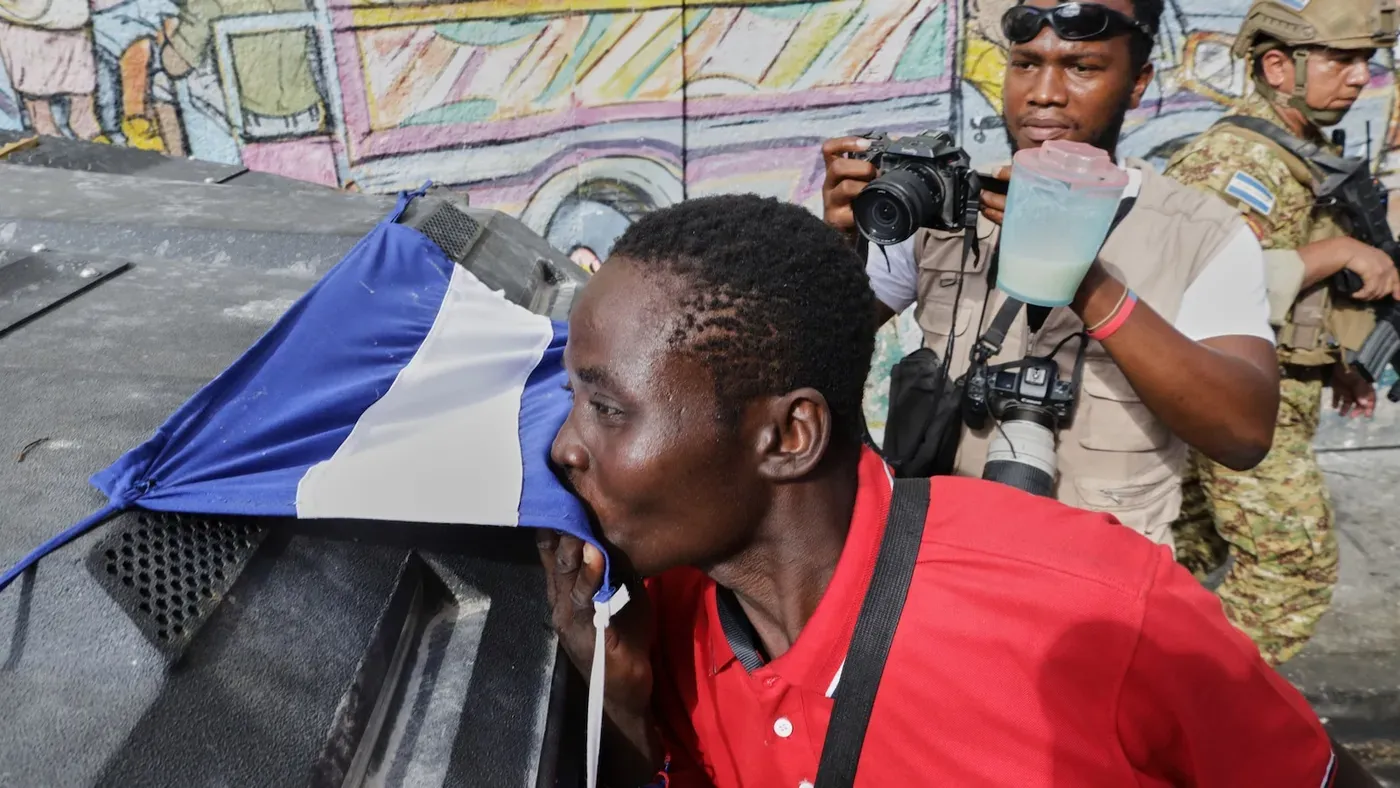
Thousands of Haitians took to the streets in Port-au-Prince and other parts of the country on Tuesday, showing their support for El Salvador's President Nayib Bukele and his troops who have been battling gangs in Haiti.
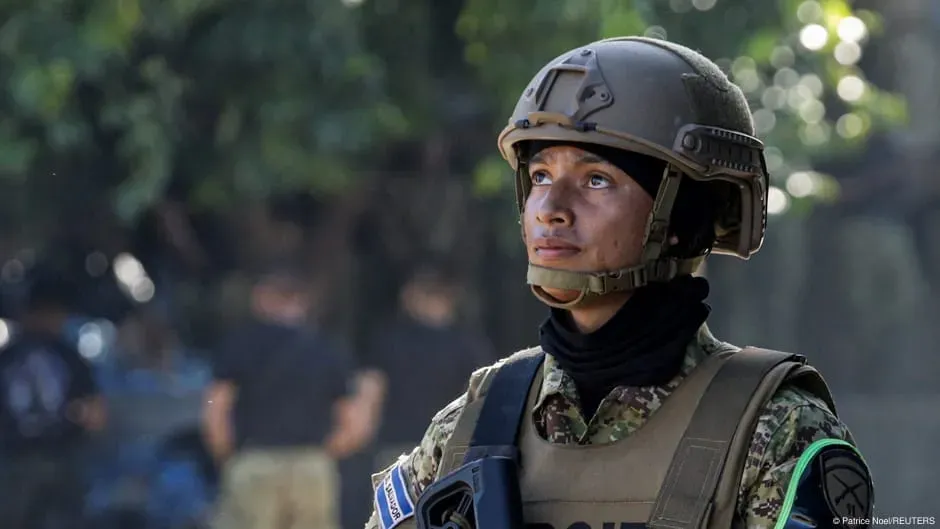
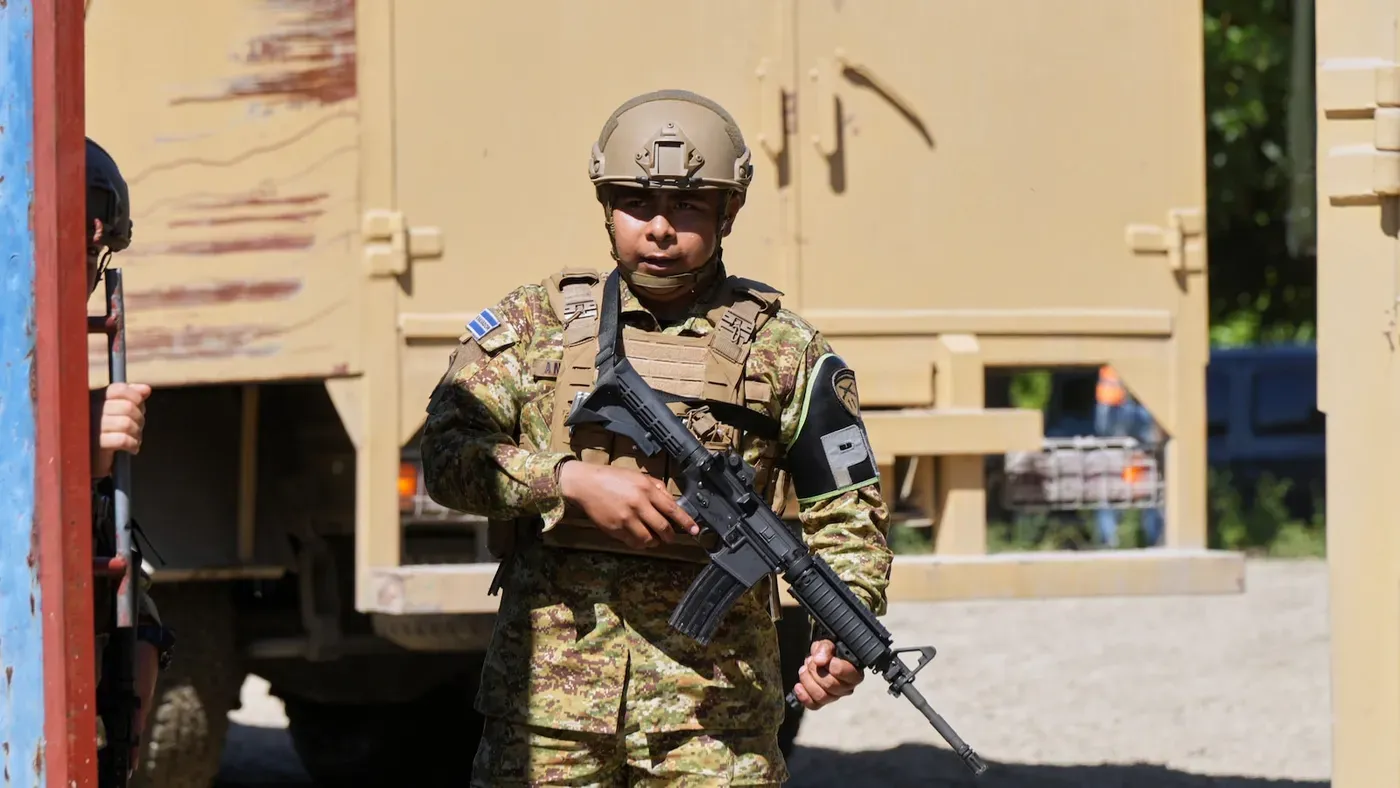
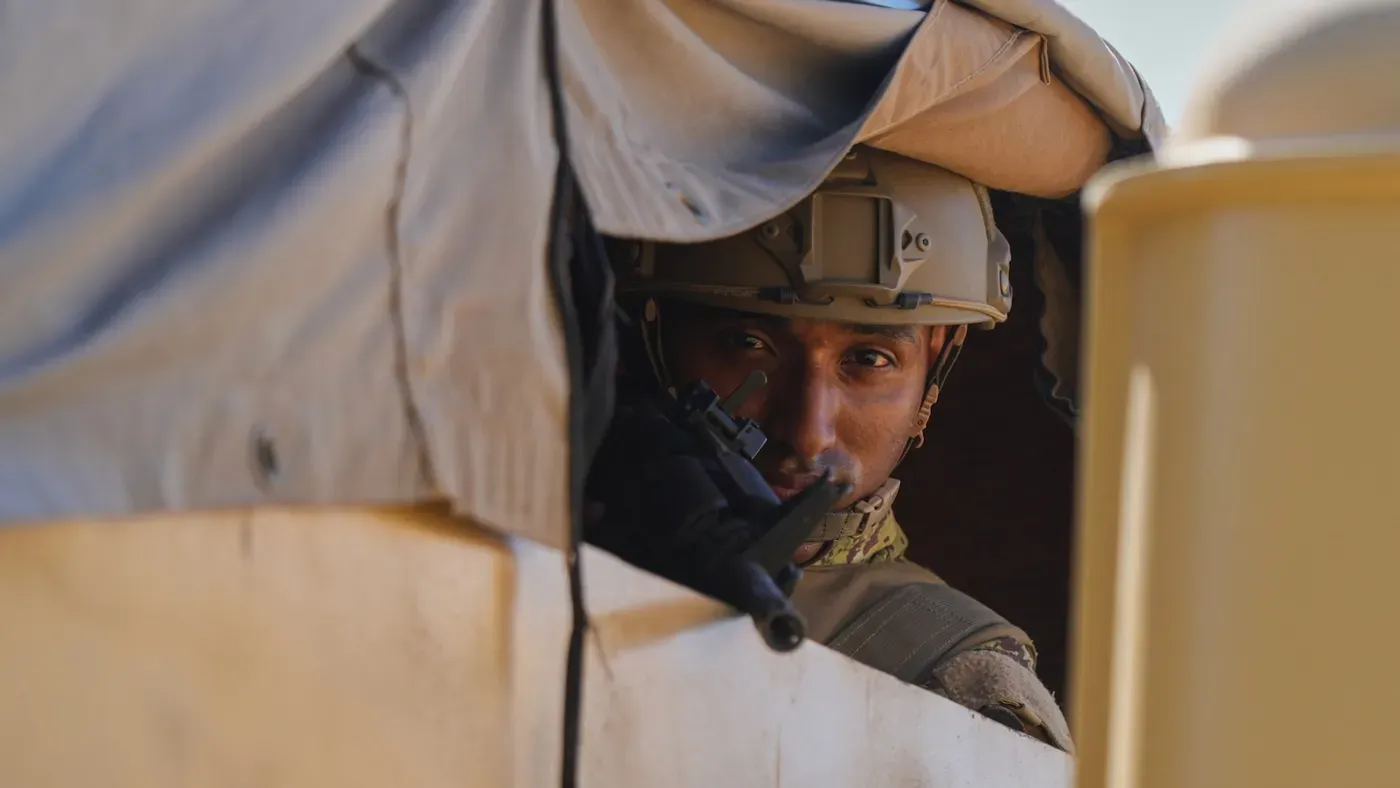
The demonstrations were a display of gratitude towards the Central American leader and his military personnel, who have been deployed in Haiti since last month. During this time, Bukele's troops have targeted areas controlled by powerful gangs using explosive drones and robot dogs. The Haitian people are eager for relief from the violence that has plagued their country.
The enthusiastic crowd waved Haitian flags and held up signs praising Bukele. Some demonstrators were heard shouting slogans such as "Bukele is here to free us!" while others yelled "Give them the drones and the dogs!" in reference to the military equipment being used against gangs.
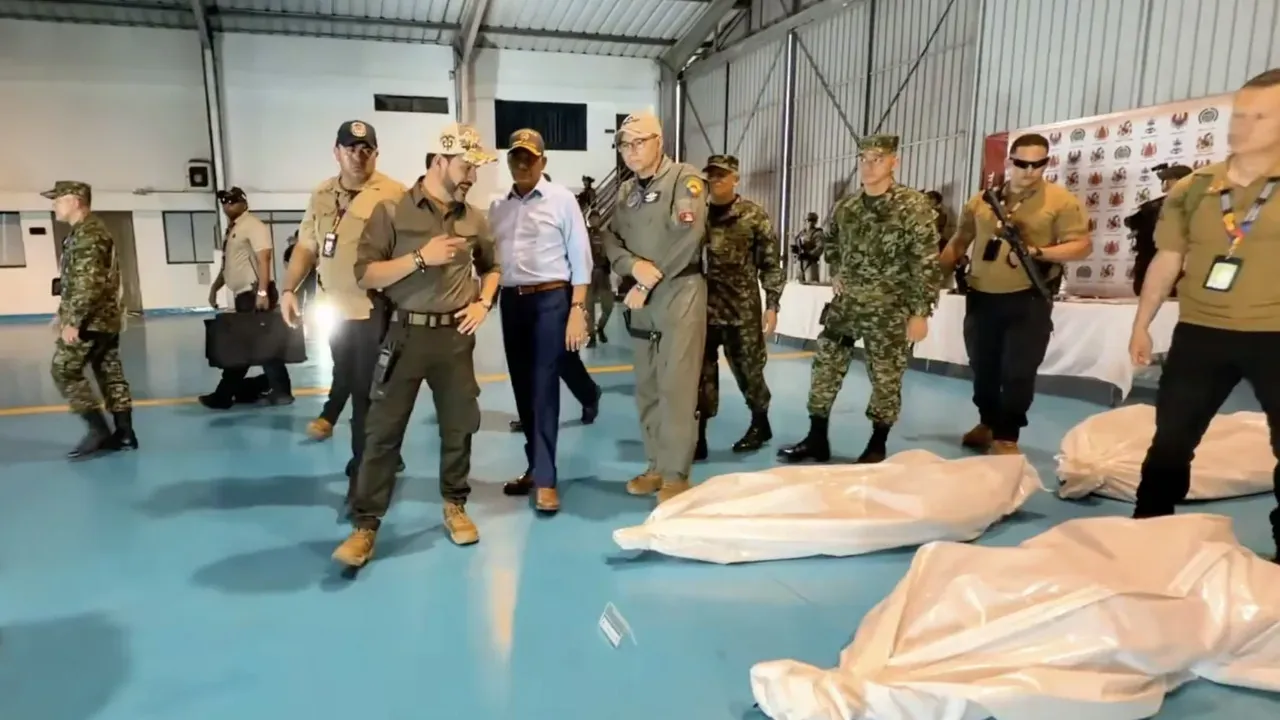
The deployment of 2,500 troops by El Salvador's president came after four of his soldiers went missing on October 18. Since then, fighting between gangs and foreign forces backed by Haitian authorities has intensified, with over 20,000 people killed in Haiti in the past five years.
Experts warn that this surge of support for Bukele and his troops may not be sustainable once they withdraw from the country. Analysts like Diego Da Rin, who works with International Crisis Group, believe there's no long-term plan to keep Haiti safe after the Central American troops leave.
The international community has been sounding the alarm about Haiti's fragile security situation for weeks, and a new report sheds light on the government's failure to develop a long-term plan to keep the country safe once foreign troops leave.
A recent analysis based on over 100 interviews with officials in Haiti and abroad highlights the lack of strategy in addressing the gang problem. According to the report, the goal of the current foreign mission is not to dismantle gangs but to weaken them temporarily, leaving authorities vulnerable when international forces depart.
The security situation in Haiti is complex, with various groups fighting against gangs, including Haitian police and soldiers, a U.N.-backed force, self-appointed vigilantes, and private security firms like Vectus Global. The latter was founded by Erik Prince, a former U.S. Navy SEAL and Blackwater founder, who has been involved in the firm's operations.
The 2,500 Salvadoran troops currently deployed to Haiti are fighting against gangs that have taken control of significant areas of the country, including deep into gang-controlled territory. Their presence is part of an effort to provide temporary relief from the grip of these violent groups.
A recent cartoon published in Le Nouvelliste newspaper captures the sentiment among Haitians who are cheering on President Bukele and his troops for their efforts against gangs, with a makeshift plan scribbled on a piece of paper labeled "PLAN ANTI GANG in colorful crayons.
A significant gap exists between the number of police officers and the country's population size, as revealed by recent reports. With nearly 12 million people living in Haiti, the National Police force has a maximum of around 8,000 active officers.
Some former government officials have expressed concerns that intelligence gathering would be overseen by a proposed National Security Council. This council was intended to develop a long-term strategy for making Haiti safer, but its establishment two years ago never materialized.
Foreign donors are providing funding for various police units in Haiti, leading to different operational guidelines being followed depending on their benefactors. A foreign adviser has stated that the lack of a national strategy is causing this issue.
The training period for new police officers was reduced from seven months to less than four, allowing more officers to be quickly deployed onto the streets. However, many of these officers occupy administrative positions rather than actively policing the country.
The deployment of Salvadoran troops and equipment to Haiti has sparked mixed reactions among locals, with some expressing gratitude for the swift intervention while others remain skeptical about its effectiveness in addressing the country's deep-seated security issues.
Cliford Vital, a resident of Port-au-Prince who lives in an area controlled by gangs, believes that President Bukele's decision to send troops and helicopters has brought about a significant shift in the balance of power. According to Vital, the presence of foreign forces has helped to reduce fear among residents, with many now feeling more secure than they did under previous leadership.
However, experts at the International Crisis Group warn that relying on military might alone may not be enough to tackle Haiti's complex security challenges. They point out that the use of explosive drones and helicopters has yielded diminishing returns, failing to produce meaningful changes in territorial control or alter the balance of power on the ground.
The report also highlights concerns about the lack of specialized training and equipment for Haitian security forces, which are often forced to rely on inadequate resources. Without a clear promotion system based on performance rather than politics, many officers occupy administrative positions rather than actively policing the country, exacerbating the problem.
As foreign forces continue to play a significant role in Haiti's security landscape, concerns about civilian casualties and human rights abuses remain. The use of military might is expected to escalate further, potentially leading to an increase in civilian casualties as foreign forces increasingly rely on helicopters and explosive drones to target gangs.
Haiti's Justice Minister Patrick Pélissier is expected to meet behind closed doors with Salvadoran officials during his visit to El Salvador for an international conference.
According to reports, a bilateral agreement between Haiti and El Salvador would not be made public, despite concerns about the use of drones in the conflict against gangs.
Salvadoran Vice President Félix Ulloa dismissed criticism, stating that there is a hidden agenda" behind the scrutiny of their operation. He maintained that respect for human rights and the rule of law was guaranteed under the agreement.
The Salvadoran soldiers are expected to return home once four missing aviation technicians are found; meanwhile, efforts continue to establish a genuine rule of law in Haiti, enabling its institutions to function effectively.
Facts based on reporting originally published by ABC News International.
You may republish this story, in full or in part, if you credit News Central Site and link to it (licence CC BY 4.0). Photos are not included.