Deployment of Salvadoran Troops in Haiti Sparks Concerns Over Legitimacy
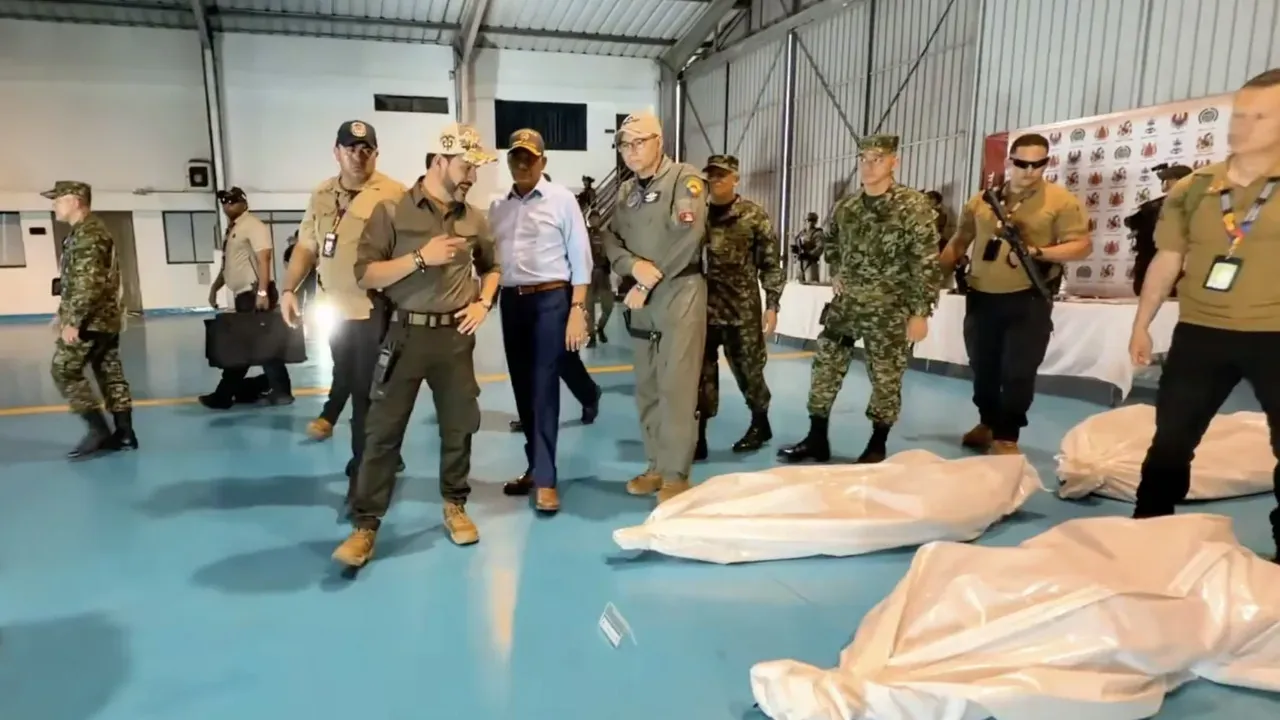
A joint task force between El Salvador and Haiti has successfully targeted the headquarters of two gangs, according to reports.
Reports are emerging of a significant development in Haiti's ongoing crisis, where the country has been plagued by protests, presidential assassination, and gang violence since 2018.
Haiti's Prime Minister Alix Didier Fils-Aime recently praised a major breakthrough in combating gang violence, crediting the involvement of Salvadoran forces with "the commitment of the Salvadorean forces in the fight against gangs."
El Salvador President Nayib Bukele had earlier stated that a joint task force between the countries had successfully targeted what he described as "the house of Lanmo San Jou and the 400 Mawozo gang's headquarters." He also shared an unverified video on social media showing helicopters firing at a sprawling property.
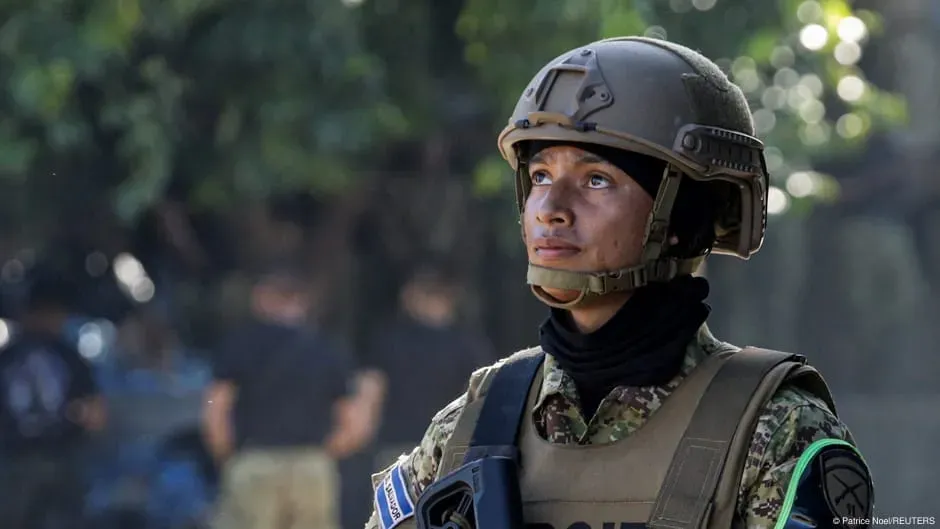
The deployment of Salvadoran troops in Haiti, nearly 2,000 kilometers from their home country, began at the start of 2025.
The deployment of Salvadoran troops in Haiti has sparked concerns about the legitimacy of their presence.
Haiti's Fils-Aime has publicly expressed gratitude to the Salvadorean military for contributing to the fight against gangs, stating that they are working alongside the UN-backed Gang Suppression Force (GSF) to regain control of territory and restore state authority.
The GSF has been operating in Haiti since 2016, but experts question whether El Salvador's involvement is a legitimate effort or an attempt to exert influence over the country.
Jake Johnston, a Haiti expert at the Center for Economic and Policy Research, notes that there are concerns about coordination between different security forces and entities involved in the operation. He suggests that El Salvador may be trying to frame its actions as independent decisions rather than part of a larger effort.
A recent UN report highlights the severity of violence in Haiti, describing bloody turf wars, sexual violence, and other abuses committed by security forces against gangs, often with the support of private military companies using drones.
The deployment of El Salvadoran troops to Haiti has raised eyebrows among observers who see a pattern emerging in President Nayib Bukele's foreign policy. His government's tough stance on gang violence at home, known as "mano dura, seems to be inspiring similar tactics abroad.
According to Romain Le Cour Grandmaison, an expert from the Global Initiative Against Transnational Organized Crime, Haiti's gang problem is far more complex than El Salvador's. The country's prisons were emptied in 2024, leaving no space for new inmates, and its justice system has effectively ground to a halt. As a result, Haiti's criminal groups have taken on a life of their own.
These groups are not your average gangs, but rather well-organized militias with control over territory, taxation systems, access to weapons of war, and even political networks that protect them from prosecution. Experts warn that importing El Salvador's approach may not yield the same results in Haiti.
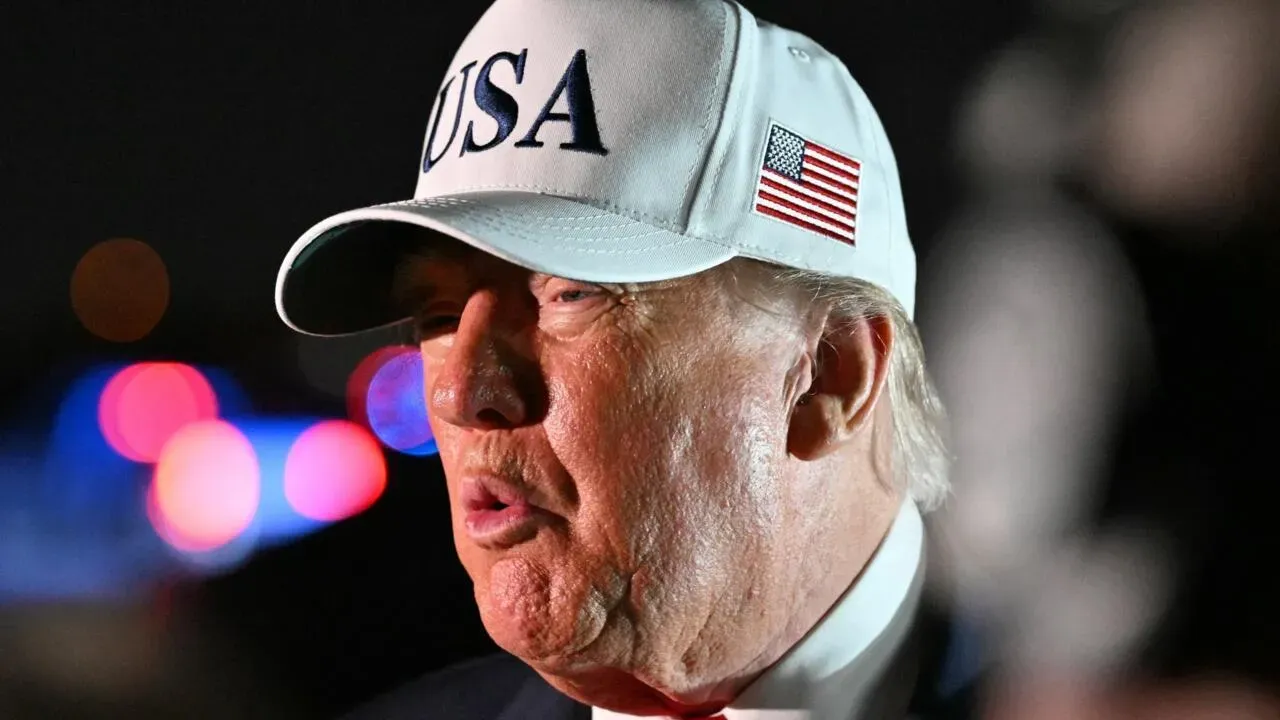
Despite being once labeled a shithole country" by US President Donald Trump, relations between the US and El Salvador have improved significantly during his second term in office.
El Salvador's security concerns are being addressed through a unique arrangement between President Nayib Bukele and US President Donald Trump.
The increasing number of migrants deported from the US to El Salvador has heightened tensions, rising by 98% at the start of this year, according to Le Cour Grandmaison. This shift in dynamics has given Bukele more leeway to prioritize his country's security needs, thanks to the backing he has received from Trump.
The relationship between the two leaders has been a game-changer for El Salvador, allowing it to operate with greater autonomy in matters of national security.
Trump's words on Haiti reflect the complexities of regional politics and the delicate balance of power in the area.
Facts based on reporting originally published by DW English.
You may republish this story, in full or in part, if you credit News Central Site and link to it (licence CC BY 4.0). Photos are not included.