Luis Abinader and Nayib Bukele Collaborate on Gang Suppression in Haiti
The Dominican Republic's president has announced a collaboration with El Salvador's government to provide support to troops battling gangs in Haiti.
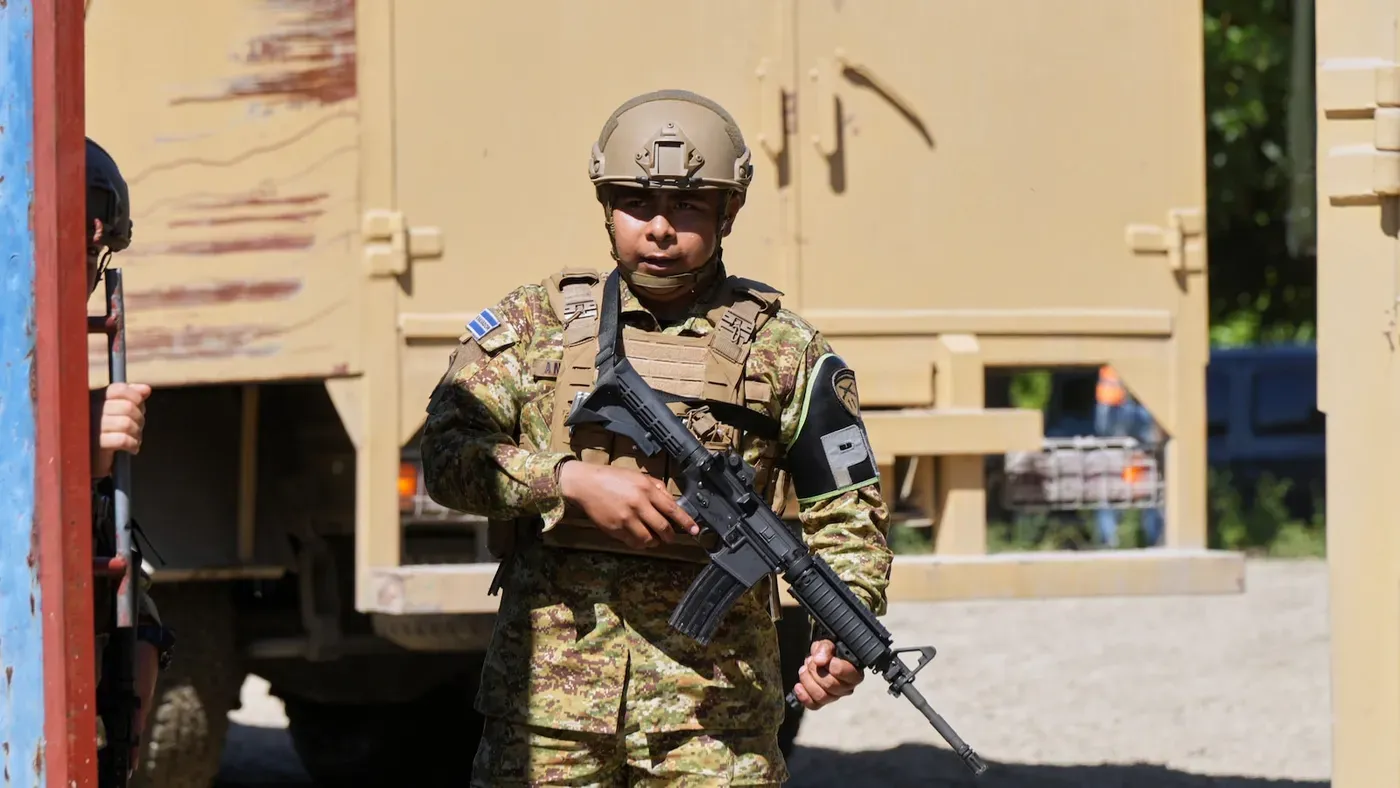
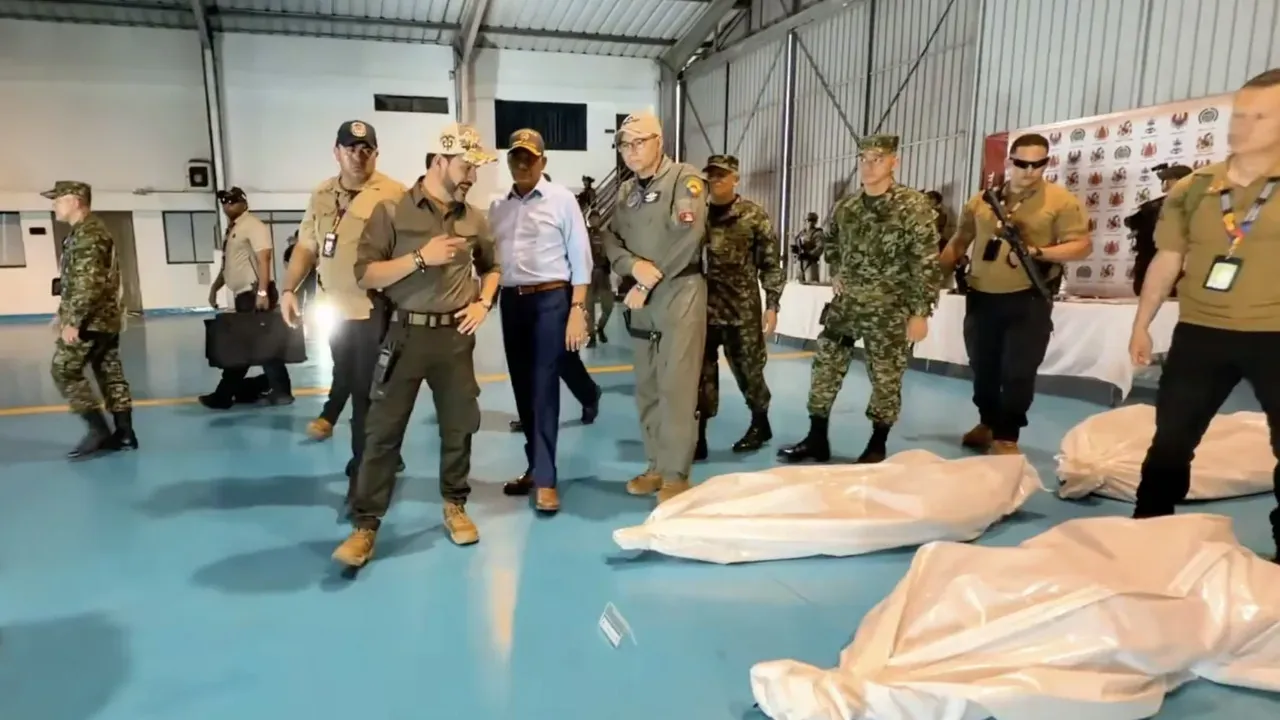
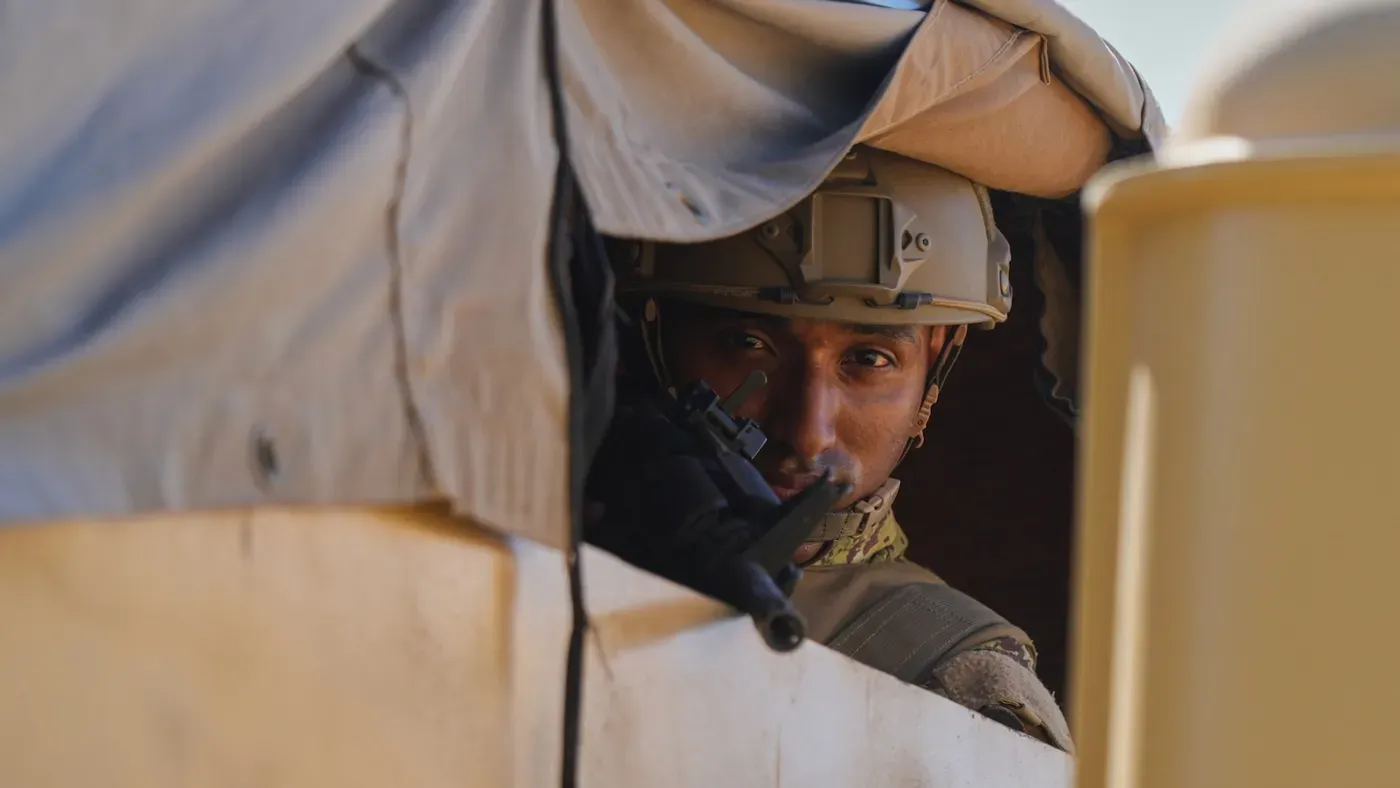
A significant development has emerged in Haiti as the country struggles to contain violent gangs. The president of the Dominican Republic, Luis Abinader, has announced that his government is collaborating with El Salvador's president and providing logistics and intelligence support to the approximately 2,500 troops deployed from El Salvador.
The operations of these Salvadoran troops have come under scrutiny due to their involvement in battling gangs outside the framework of a U.N.-backed multinational force aimed at suppressing gang activity. This move has sparked questions about the coordination between the two forces and the potential for duplication of efforts or conflicting objectives.
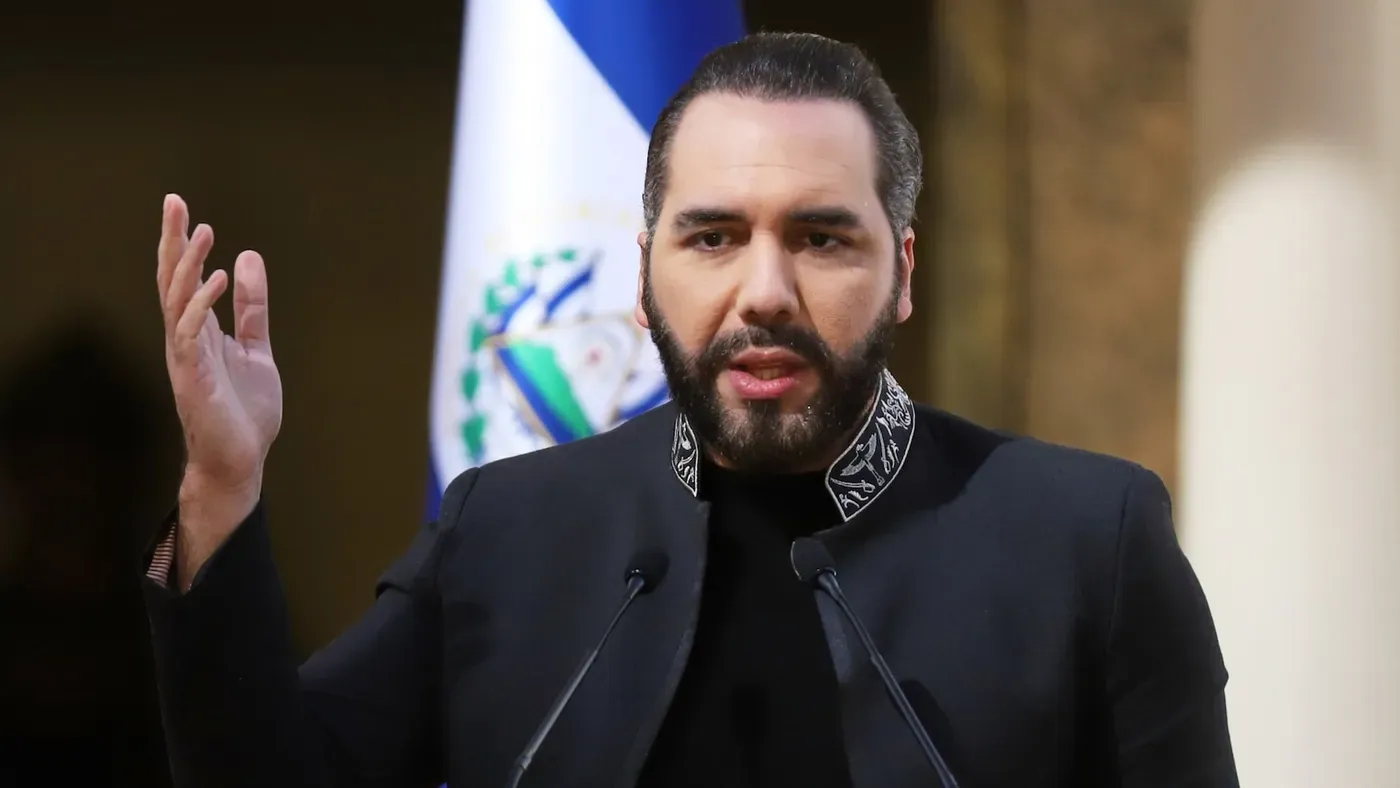
Abinader expressed his support for El Salvador's president, Nayib Bukele, and emphasized the need for the multinational force to coordinate its actions with the Salvadoran troops. He believes this cooperation will provide decisive support to the Salvadoran military and President Bukele's stance on addressing gang violence in Haiti.
The U.N.-backed force has responded to these concerns by stating that it is working closely with Haitian authorities and international partners to achieve shared security objectives. The spokesperson, Igor Rugwiza, underscored the importance of effective coordination among all actors operating in Haiti to achieve sustainable security outcomes.
Rugwiza also clarified that the multinational force operates within established protocols, including rules of engagement and human rights law obligations, when conducting its activities. This clarification aims to address concerns about potential conflicts or missteps by any of the involved forces.
The attack on Wilson Joseph's home by Haitian police and Salvadoran troops has been widely criticized for its potential impact on civilians in the area. However, the involvement of Salvadoran President Nayib Bukele in celebrating the operation has raised concerns about his country's role in the conflict.
Bukele took to social media to express his satisfaction with the outcome of the attack, writing that "most of them ran away without even trying to fight." This statement is likely to fuel criticism from human rights groups who are already expressing concerns about the deployment of Salvadoran troops in Haiti.
The Dominican Republic has pledged continued support for Bukele and El Salvador's defense minister reportedly speaks regularly with his counterpart in Santo Domingo. The two countries' close relationship is seen as a key factor in their joint efforts to address security concerns in Haiti.
Amnesty International has called on both governments to ensure that operations conducted by Salvadoran troops comply with international human rights law. This includes making public the agreement governing the deployment and explaining how they oversee the deployed forces, as well as establishing clear rules for the use of force and ensuring accountability.
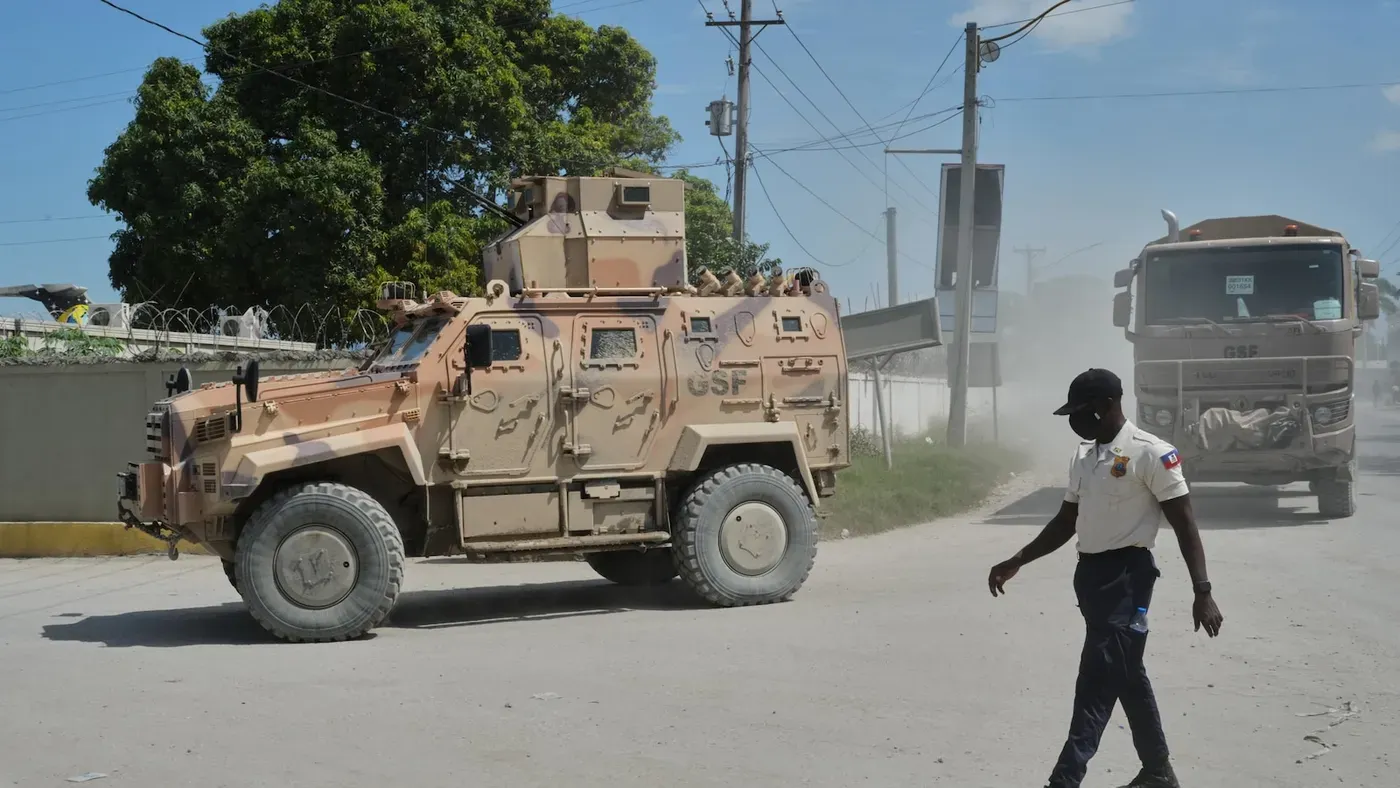
The shared border between Haiti and the Dominican Republic is a matter of ongoing concern for President Abinader's administration. To maintain vigilance, he has committed to deploying drones, soldiers, and armored vehicles along the border, ready to respond swiftly if needed.
The presence of El Salvadoran troops in Haiti has been a response to a specific incident: four aviation technicians were attacked by gang members on October 18, deep within territory controlled by these groups. These individuals remain missing, their fate unknown.
According to Sophie Rutenbar, an expert at the Global Initiative Against Transnational Organized Crime, Haiti is currently overwhelmed with security forces from various backgrounds and motivations. This multiplicity of actors creates a complex web of alliances and rivalries that can be difficult to navigate.
The situation on the ground in Haiti involves multiple stakeholders, including Haitian police and soldiers, as well as the gang suppression force and the private security firm founded by Erik Prince, a former U.S. Navy SEAL and Blackwater founder. The arrival of Salvadoran troops has added another layer to this intricate landscape.
Rutenbar notes that despite some positive sentiment toward the Salvadoran presence among Haitians, there are concerns about the sustainability of El Salvador's involvement in Haiti's security situation.
The Haitian government is facing significant challenges in its efforts to combat gang violence, particularly from the 400 Mawozo gang, which remains a major obstacle.
Wolf Pamphile, founder of Haiti Policy House, believes that El Salvador's military presence in Haiti may ultimately be forced to collaborate with the gang suppression force in order to achieve long-term success.
This potential partnership could bring additional resources and support to the effort, but it also raises concerns about the sustainability of El Salvador's involvement in Haiti's security situation.
The Dominican president has expressed his backing for El Salvador's President Nayib Bukele and his troops in Haiti, but experts warn that the reality of their efforts may not live up to the initial hype.
Facts based on reporting originally published by ABC News International.
You may republish this story, in full or in part, if you credit News Central Site and link to it (licence CC BY 4.0). Photos are not included.