Groundbreaking Discovery in Tissue Regeneration Revealed
Researchers have discovered that immune cells can play opposing roles in tissue regeneration, with some attacking bone-making cells necessary for rebuilding damaged tissue.
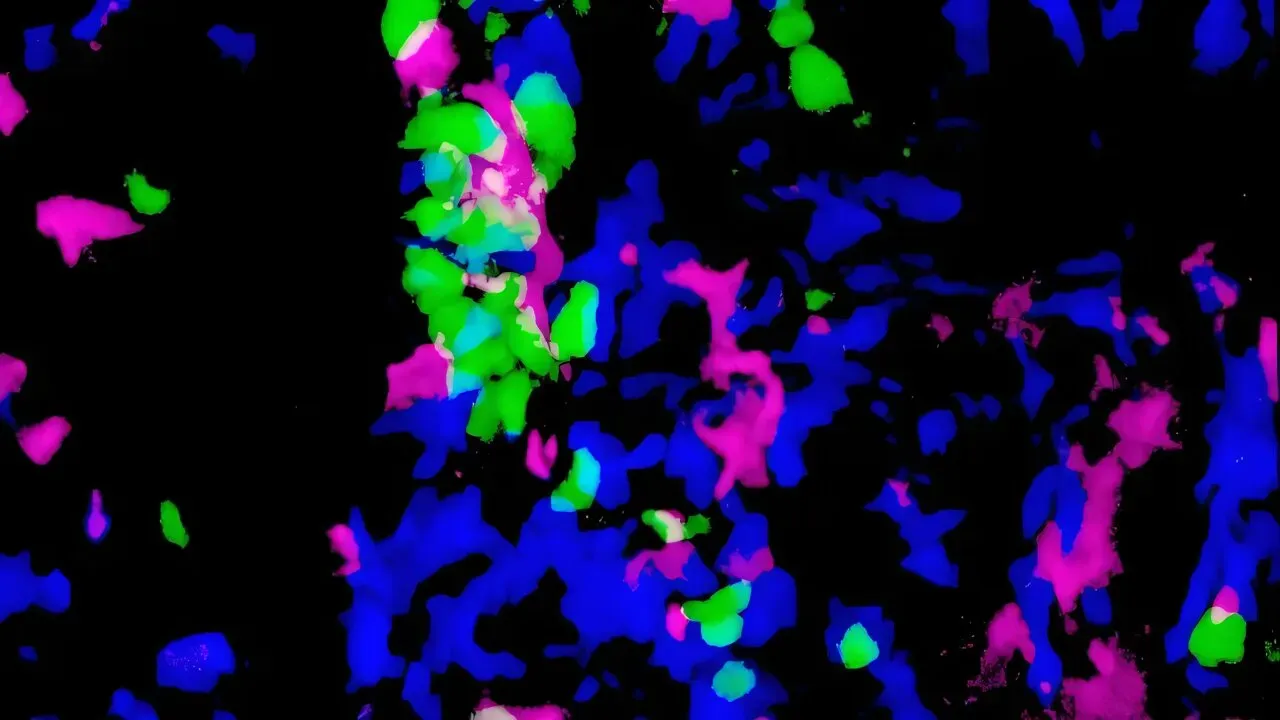
Researchers have made a groundbreaking discovery in the field of tissue regeneration, revealing that the same immune cells can play opposing roles in the healing process. In a study involving mice, scientists found that certain immune cells can attack and destroy bone-making cells necessary for rebuilding damaged tissue.
The findings suggest that the delicate balance between different types of immune cells is crucial for successful tissue regeneration. While some immune cells can protect bone-making cells and allow regeneration to continue, others can impede this process by targeting these same cells for destruction.
The study's lead researcher, James Godwin, notes that the results challenge the long-held assumption that there is a limit to the body's regenerative potential. Instead, his team's findings suggest that there may be more room for improvement in tissue regeneration than previously thought.
Godwin's research focuses on understanding how mice regenerate damaged tissue at the tips of their digits. Like humans, mice have limited ability to regenerate multiple types of tissue, including bone, skin, and nail.
The research team focused on adaptive immune cells, which are capable of learning to recognize specific threats such as viruses and cancer cells.
These immune cells play a crucial role in directing repair processes after tissue damage, but their involvement is often underestimated.
To investigate the function of adaptive immune cells in fingertip regeneration, the researchers used 16 genetically diverse types of mice with varying levels of immunity.
The absence of adaptive immune cells allowed for faster and more effective regeneration, suggesting that these cells can actually hinder the healing process.
Further investigation revealed that CD4⁺ T cells, often referred to as "helper T cells due to their role in coordinating immune responses, are responsible for inhibiting regeneration by killing progenitor cells.
The presence of interferon-gamma, an immune signaling molecule produced by CD4⁺ T cells, was found to be a key driver of this cytotoxic activity and subsequent blockage of the healing process.
The presence of certain CD4⁺ T cells in the body can have a negative impact on tissue regeneration, but not all these immune cells are created equal.
Regulatory T cells, also known as Tregs", play a crucial role in protecting cells involved in rebuilding damaged tissues from attack by other CD4⁺ T cells. Without this protective mechanism in place, regeneration is delayed and the immune system can begin to damage uninjured bone.
The absence of Tregs was found to have a detrimental effect on tissue repair, while their presence helped to restore the natural healing process. Interestingly, increasing levels of RANKL, a molecule that helps control bone breakdown and remodeling, also had a positive impact on regeneration.
These findings offer valuable insights into how the immune system interacts with bone and highlight potential areas for disruption in disease and aging. The research suggests that understanding this balance could be crucial for developing effective treatments for severe injuries.
The study's results have significant implications for stem cell and progenitor cell therapies, which often struggle to survive due to destructive immune responses. By identifying ways to temporarily shift the immune system and promote regeneration, researchers may be able to develop new approaches for treating severe injuries such as spinal cord damage or major bone trauma.
Researchers are making progress towards developing new treatments for severe injuries by understanding how different immune cells interact during tissue regeneration.
The key to this process lies in identifying ways to temporarily shift the immune system and promote regeneration. This involves studying specific interactions between immune cells, such as T-regulatory cells and CD4+ T-cells. By gaining a deeper understanding of these relationships, scientists may be able to develop new approaches for treating severe injuries like spinal cord damage or major bone trauma.
The discovery that certain immune cells play opposing roles in tissue regeneration has significant implications for the development of therapies for severe injuries. This knowledge can help researchers identify what needs to change in order to create effective treatments.
Facts based on reporting originally published by Phys.org.
You may republish this story, in full or in part, if you credit News Central Site and link to it (licence CC BY 4.0). Photos are not included.