Groundbreaking Discovery in Ancient DNA Research Reveals Close Biological Ties Between Early Europeans
A study of three ancient genomes from Europe around 30,000 years ago reveals closer biological ties than previously thought.
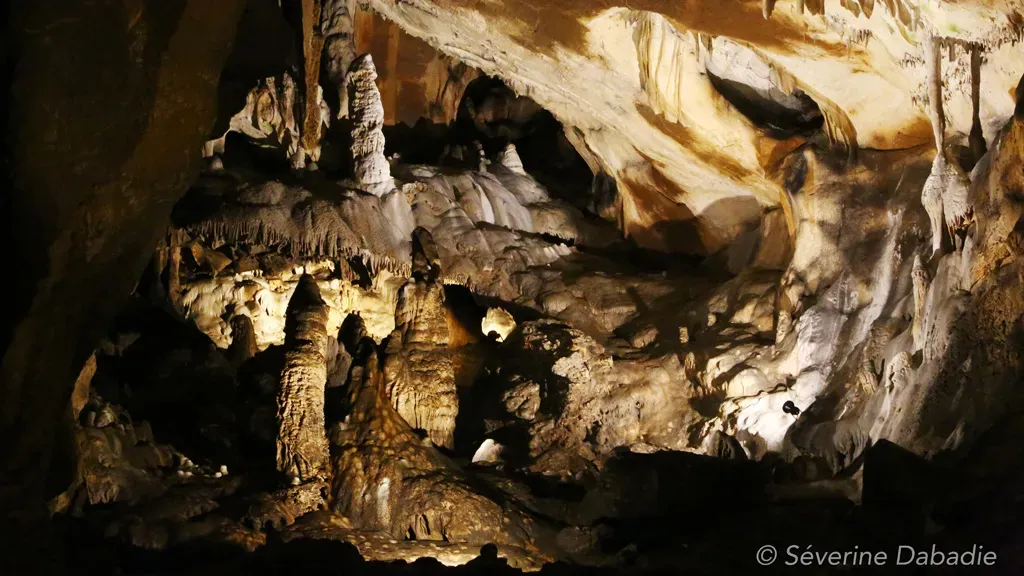
Scientists have made a groundbreaking discovery in the field of ancient DNA research after sequencing the genomes of three people who lived in Europe around 30,000 years ago. The results reveal that these individuals had much closer biological ties to one another than previously thought.
The study suggests that certain regions, such as southwestern France, may have played a significant role as cultural hubs during the last ice age. This theory is supported by archaeological findings from excavations in this area, which include portable art pieces known as "Venus figurines dating back to around 34,000 years ago.
The Gravettian culture, characterized by its spread across Europe after the disappearance of Neanderthals, has been a subject of interest for researchers. However, until now, there have been limited opportunities to study ancient DNA from this period due to the scarcity of available human remains.
With only around two dozen Gravettian skeletons yielding recoverable DNA, previous research had led experts to believe that groups in Western Europe were largely separate from those in Eastern Europe based on the small number of genomes sequenced.
The discovery of a 30,000-year-old Gravettian skeleton in Isturitz Cave, southwestern France, has led researchers to reevaluate their understanding of genetic connections between Eastern and Western European populations during the Stone Age.
Located near the border between continental Europe and the Iberian Peninsula, Isturitz Cave was an important cultural and biological hub for tens of thousands of years. The cave's strategic position allowed for the exchange of ideas, goods, and people between different groups.
A woman who died around 30,000 years ago in Isturitz Cave has provided new insights into the genetic makeup of ancient Europeans. Her DNA shows a strong connection to previously known Western European genomes, but also reveals a surprising link to Eastern and Central European groups.
This unexpected discovery suggests that gene flow from the East was more common during the Late Stone Age than previously thought. The researchers dated this pulse" of gene flow to approximately 31,500 to 32,500 years ago.
The findings challenge previous assumptions about the genetic isolation of Western European populations. With only a small number of Gravettian skeletons yielding recoverable DNA, earlier research had led experts to believe that groups in Western Europe were largely separate from those in Eastern Europe based on the available data.
The discovery of the 30,000-year-old skeleton in Isturitz Cave has significant implications for our understanding of human migration and cultural exchange during the Stone Age. The cave's importance as a hub for genetic exchange is further supported by the presence of cups made out of human skulls dated to around 15,000 to 12,000 years ago.
The analysis of the three newly sequenced Gravettian genomes has revealed significant biological connections to Western European groups. This genetic link is coupled with physical traits such as dark skin, hair, and eyes.
These individuals also appear to have had parents who were not closely related, indicating a possible avoidance of inbreeding within their populations. The study's findings suggest that the population structure and gene flow in Western Europe during the Gravettian period were more complex than previously thought.
Facts based on reporting originally published by Live Science.
You may republish this story, in full or in part, if you credit News Central Site and link to it (licence CC BY 4.0). Photos are not included.