Google Releases Two New Wearable Devices Under Fitbit Name
The two devices are the $99 Fitbit Air and the $179 Fitbit Edge, both of which offer AI-powered features.
Google has reignited its interest in affordable wearables under the Fitbit name, releasing two new devices this year: the $99 Fitbit Air and the $179 Fitbit Edge. While they may seem like incremental updates to existing trackers, they actually represent a significant departure from previous models.
The Fitbit Air is an affordable wearable that competes directly with Whoop's high-end offerings, but without the added cost of a screen. In contrast, the Fitbit Edge features a built-in display and positions itself as a mid-range option between Google's budget-friendly Fitbits and its more expensive Pixel Watch 5.
One key difference between the two devices is their price point: the Air costs $99, while the Edge retails for $179. Despite this disparity, both wearables offer AI-powered features that are not available on older Fitbit models, making them attractive options for those who want advanced tracking capabilities without breaking the bank.
Google Health Premium is required to unlock these AI tools in full, but otherwise, the Air and Edge seem like solid choices for anyone looking to upgrade their fitness tracking setup. However, it's worth noting that they are not completely interchangeable devices, with distinct features and design differences that set them apart.
The inclusion of a screen on the Fitbit Edge is just one aspect that sets it apart from its non-screened counterpart. Other subtler differences may also make the Edge a more appealing option for certain users, but these distinctions will be explored in greater detail as we continue to examine the features and capabilities of each device.
The design differences between the Fitbit Edge and Air are more than just skin deep. While both devices share a similar purpose, their form factors set them apart in terms of user interaction. The Fitbit Air relies heavily on the Google Health app for data viewing and settings adjustments, requiring minimal direct contact with the device.
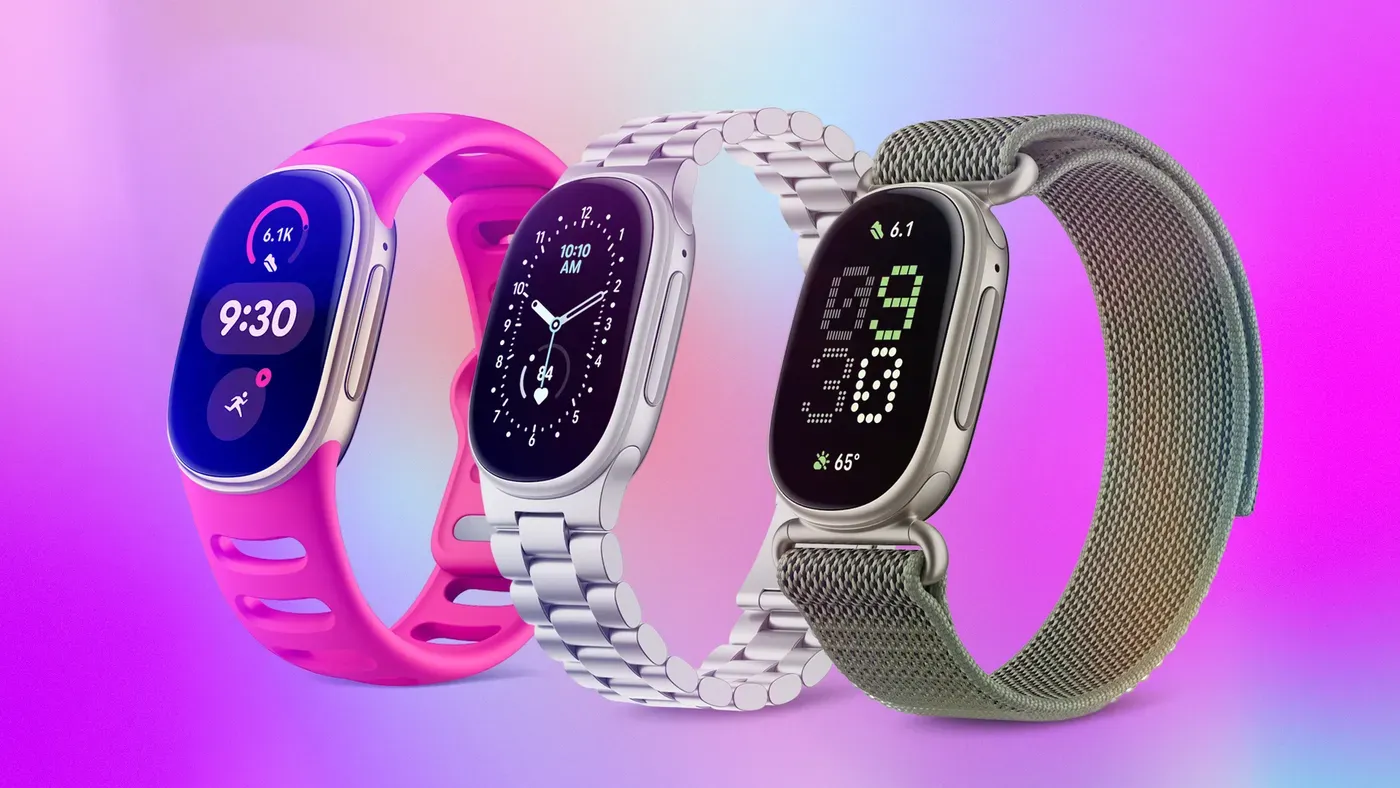
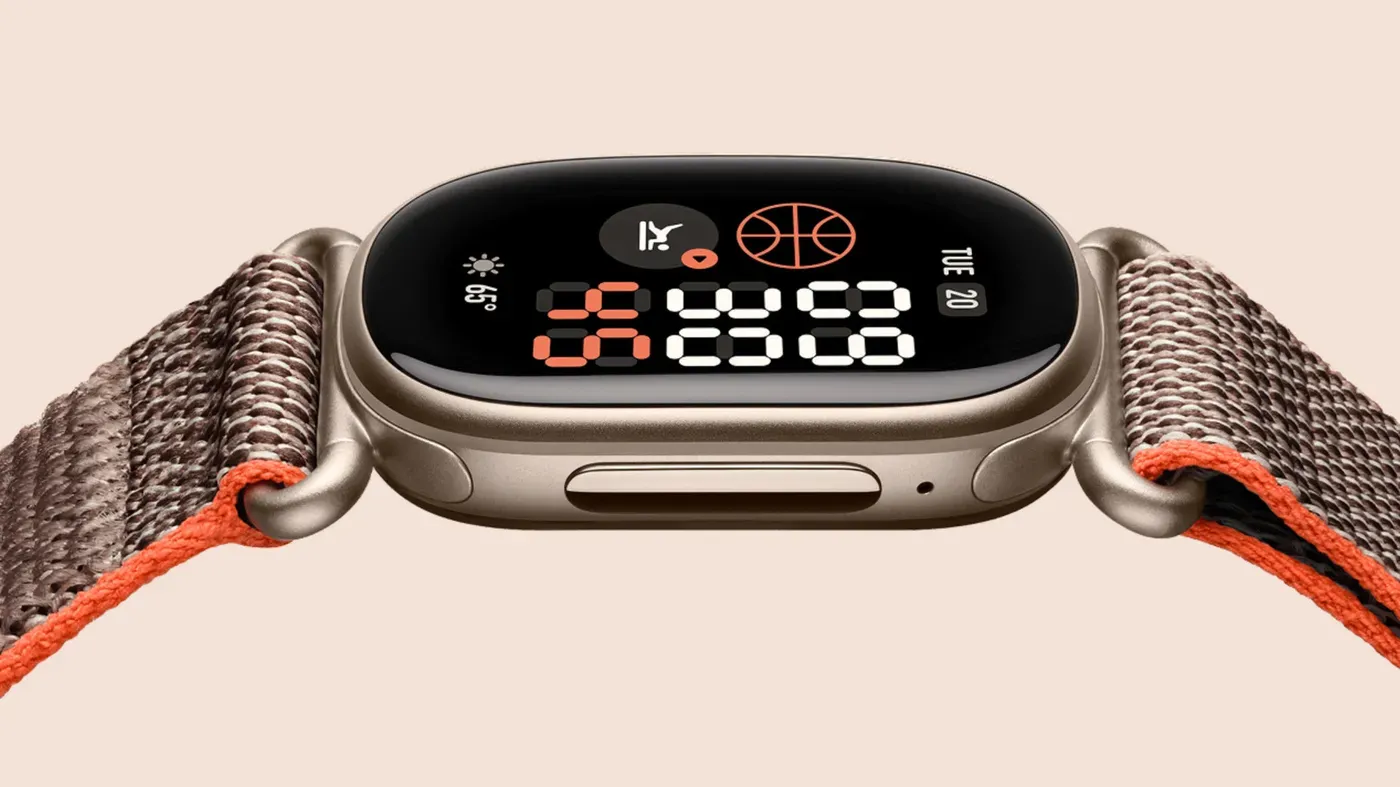
In contrast, the Fitbit Edge offers more interactive capabilities, thanks to its 1.34-inch oval-shaped AMOLED touchscreen display and a new mechanical side button. This added functionality makes it easier to navigate and control various aspects of the device without needing to constantly check the Google Health app.
The physical size difference between the two devices is also notable, with the Edge measuring 1.54 x 1.01 x 0.46 inches, making it slightly larger than the Air. This increased visibility can be attributed in part to the Edge's always-on screen functionality, which allows users to view essential information at a glance.
One of the key differentiators between the two devices lies in their sensor configurations. While both feature optical heart rate sensors, only the Fitbit Edge includes electrical sensors necessary for ECG readings and an altimeter for calculating elevation. The Edge also boasts an ambient light sensor, which helps calibrate its screen brightness to suit various environments.
The battery life of the two devices is expected to be similar, with Google claiming both can last seven days on a single charge. However, this estimate changes when the always-on feature is enabled on the Fitbit Edge. In such cases, the device's battery life is reduced to around two days, prompting the company to provide faster charging capabilities.
To compensate for the reduced battery life, the Fitbit Edge offers rapid charging, capable of replenishing its battery to 100 percent in just 90 minutes. Additionally, a short 15-minute charge can extend its battery life by up to one day, providing users with greater flexibility and convenience.
The Fitbit Edge and Air share many similarities when it comes to their features and functionality. However, there are some key differences between the two devices that set them apart from one another.
One area where the two wearables diverge is in terms of additional sensors and capabilities. The Edge, with its built-in display, offers features like ECG readings, floor tracking, and live workout metrics on the screen. These extras rely on the presence of a screen and the ability to run Google's lightweight Fitbit OS.
The Air, on the other hand, lacks these advanced features due to its lack of a display. However, it can still track various health metrics such as activity levels, heart rate, and sleep patterns. This is because many of these features don't rely on specific sensors but rather on the data collected by Google's Health Guardian.
The Edge's screen also enables users to view more detailed information about their health data directly on the device. Additionally, it can receive notifications from a connected phone and even run a simplified version of Google Maps.
This difference in capabilities may be a deciding factor for some users who prioritize the extra features offered by the Edge over the sleeker design of the Air.
The design difference between the Fitbit Edge and Air models may appeal to different users. The Fitbit Air has a more discreet approach, relying solely on sensors and a companion app for data viewing, making it less obtrusive.
This contrast is stark when compared to the Fitbit Edge, which is designed to be more prominent. While not a full-fledged smartphone like the Pixel Watch, its features may make it harder to ignore, depending on individual preferences. Ultimately, this distinction will be a key consideration for those choosing between these two devices.
Facts based on reporting originally published by Engadget.
You may republish this story, in full or in part, if you credit News Central Site and link to it (licence CC BY 4.0). Photos are not included.