Google Unveils New Smartwatch with Balance of Features and Price
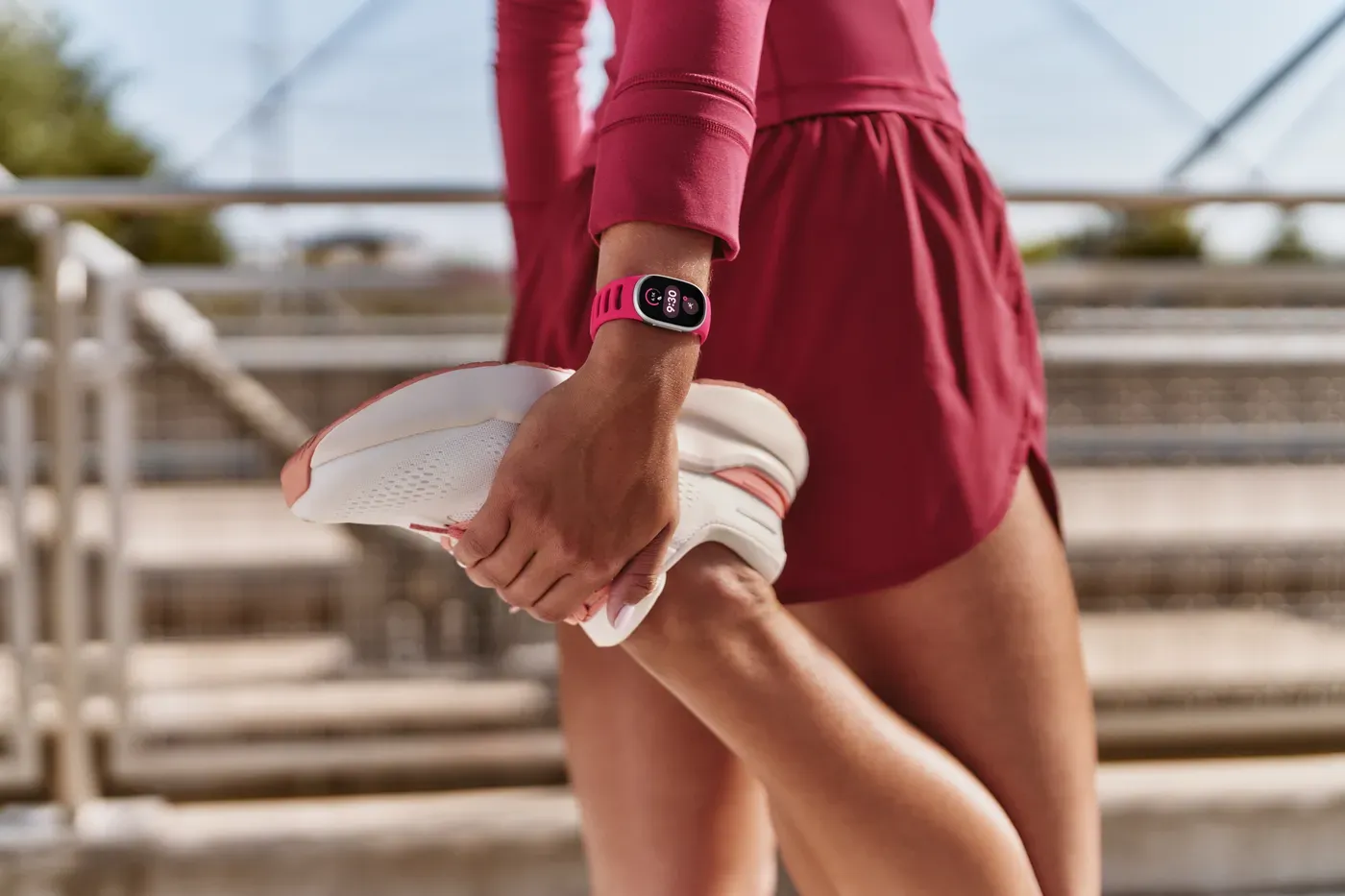
The Fitbit Edge offers a balance between features and price, falling somewhere in the middle of Google's wearable lineup.
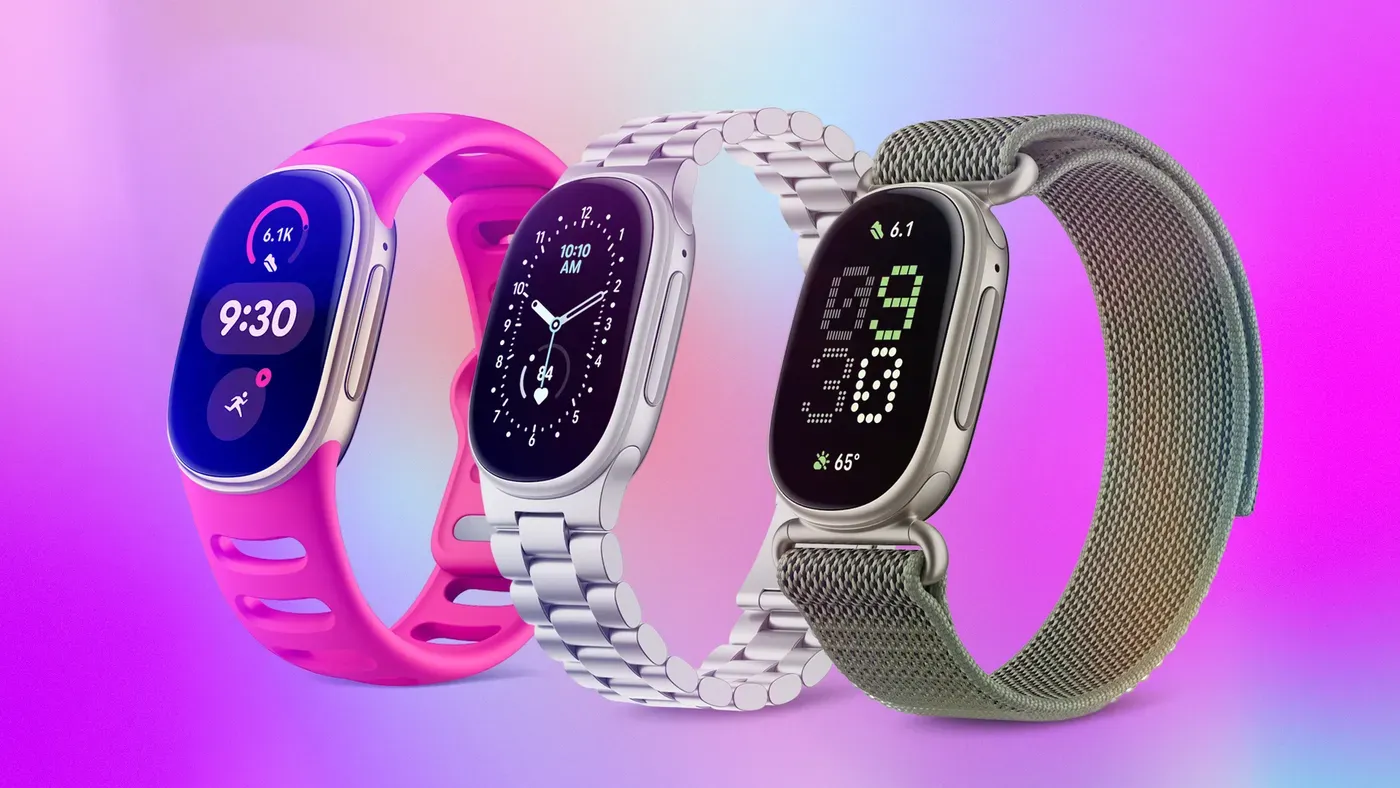
Google has unveiled a new smartwatch that may appeal to those who want something more than a basic fitness tracker but don't need a full-fledged smartphone on their wrist.
The Fitbit Edge is priced at $179 and offers a balance between features and price, falling somewhere in the middle of the company's wearable lineup. It boasts a color screen, built-in GPS, and various health sensors, similar to what you'd find in more expensive smartwatches.
In terms of design, the Edge is notable for its slim and lightweight profile, which allows it to last up to a week on a single charge. This makes it an attractive option for those who want a smartwatch that won't weigh them down or require constant recharging.
The concept behind the Fitbit Edge isn't new; previous models like the Inspire and Charge have paired simple screens with health and fitness tracking capabilities, working seamlessly with both iOS and Android devices. However, this latest release represents an evolution of these ideas, combining features from across Google's wearable lineup.
The Fitbit Edge is available for preorder on Monday and will go on sale on October 27, giving potential buyers a chance to experience it firsthand and determine whether it hits the sweet spot in terms of form and function.
The Fitbit Edge's display is a major upgrade over its predecessor, boasting a 1.34-inch color AMOLED screen that's 46% larger than what's found in the Charge 6.
This expanded display also comes with an always-on option, allowing users to keep track of essential information without having to manually turn it on every time.
The Edge's design is also notable for its sleek and modern aesthetic, which draws inspiration from other popular smartwatches like the Air and Pixel Watch 5.
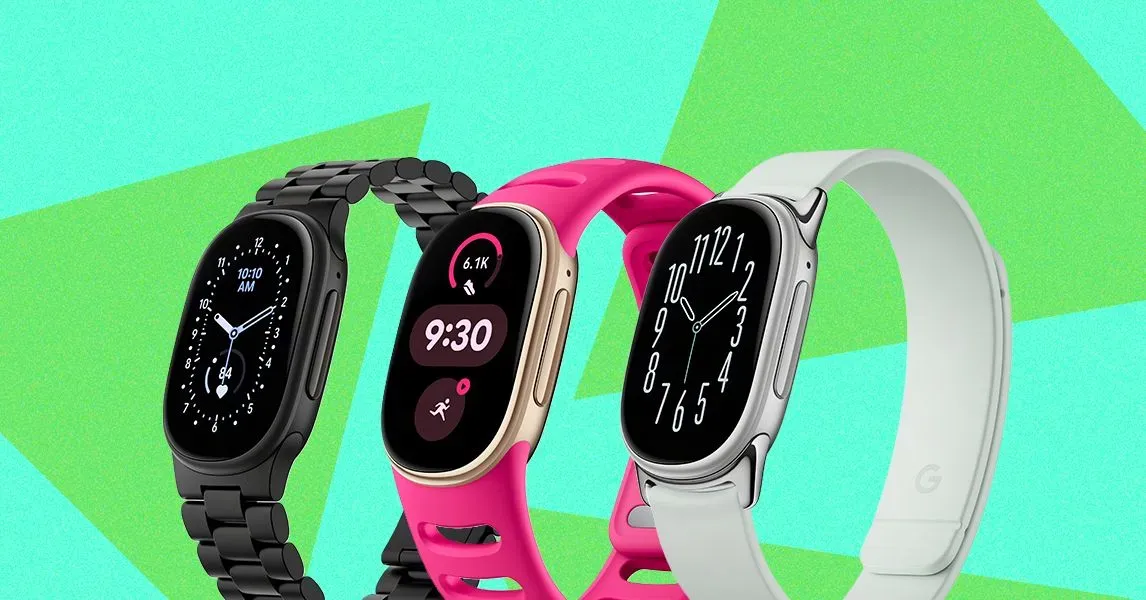
The device will be available in a range of stylish color combinations, including Obsidian, Fog, Olive, and Canyon, with interchangeable options such as a performance loop, magnetic band, and metal links.
A special edition model featuring basketball legend Stephen Curry is also being offered, but it comes at an additional $50 cost.
The Fitbit Edge has a few notable omissions compared to other smartwatches on the market. Notably, it lacks a built-in microphone and speaker, which means users can't take calls directly from their wrist.
In terms of health and fitness tracking, the Edge draws heavily from the company's expertise in this area. It features built-in GPS and an altimeter, allowing for more accurate distance tracking during outdoor activities. This is a departure from the Fitbit Air, which relies on a connected phone for GPS data.
The Edge also boasts advanced heart rate monitoring capabilities, with Google claiming that its readings are 40% more accurate than those of the Charge 6. This increased accuracy could be particularly useful for athletes or individuals who rely on precise heart rate data during exercise.
During workouts, users can view metrics like pace and heart rate zones directly on their wrist, a feature that was notably absent from the Fitbit Air. Additionally, the Edge allows users to broadcast live heart rate data to compatible exercise equipment, providing an added layer of functionality for gym-goers.
The Edge comes equipped with three months of Google Health Premium, which unlocks features like AI-powered coaching and advanced health trend tracking. This includes monthly blood pressure and insulin resistance monitoring through Health Guardian, a feature that will also be rolled out to the Fitbit Air at some point in the future.
The Fitbit Edge's battery life is a significant advantage over other smartwatches on the market. According to Google, the device can last up to seven days on a single charge when using the raise to wake setting. However, this estimate drops to two days if you prefer an always-on display.
This discrepancy highlights one of the key trade-offs for users who want an always-on display. While having a screen that's constantly visible may be convenient, it comes at the cost of reduced battery life. For some users, this might not be a deal-breaker, but for others, it could be a significant consideration.
The charging time for the Fitbit Edge is also worth noting. A full charge takes around 90 minutes, which can be a drawback for users who need to recharge their device quickly. On the other hand, five minutes on the charger gets you about a day's worth of battery life, making it possible to top up your device when you're in a hurry.
One potential benefit of the Fitbit Edge is its compatibility with other devices. Google has confirmed that users can seamlessly switch between the Edge and other Fitbit devices, such as the Air, without disrupting their health data. This could make it easier for users to choose the right device for each situation, rather than being tied to a single model.
The Fitbit Edge has made a significant design change by incorporating a user-replaceable battery, allowing users to extend its lifespan and reduce electronic waste.
This move towards repairability is in line with Google's own approach, as seen with the Pixel Watch 4, which was redesigned without adhesives to facilitate easier repairs. Even those who consider themselves novice DIY enthusiasts can attempt repairs on certain devices.
The use of a replaceable battery could be particularly beneficial for smaller and less expensive trackers like the Edge, where battery degradation over time is more noticeable. This change can help users get more value out of their device and reduce the need for frequent replacements.
While the $179 price tag may seem steep compared to other Fitbit models, such as the Air, it's actually a relatively affordable option when considering more advanced smartwatches like the Pixel Watch or Samsung's Galaxy Watch. The Edge offers a range of features that are typically found in higher-end devices.
For those who prioritize fitness tracking and don't require additional features like contactless payments, the Edge may be an attractive choice at this price point. It provides a balance between capabilities and cost, making it a viable option for users who want more than basic functionality but aren't ready to commit to a premium smartwatch.
Ultimately, the Fitbit Edge's unique combination of features and repairability makes it a compelling option for those looking for a device that can adapt to their changing needs without breaking the bank.
Facts based on reporting originally published by CNET.
You may republish this story, in full or in part, if you credit News Central Site and link to it (licence CC BY 4.0). Photos are not included.