Generative AI Gains Traction Among EPFL Students
A survey conducted by EPFL's AI working group found that over 90% of students use AI as a learning tool to lighten their workload and expedite tasks.
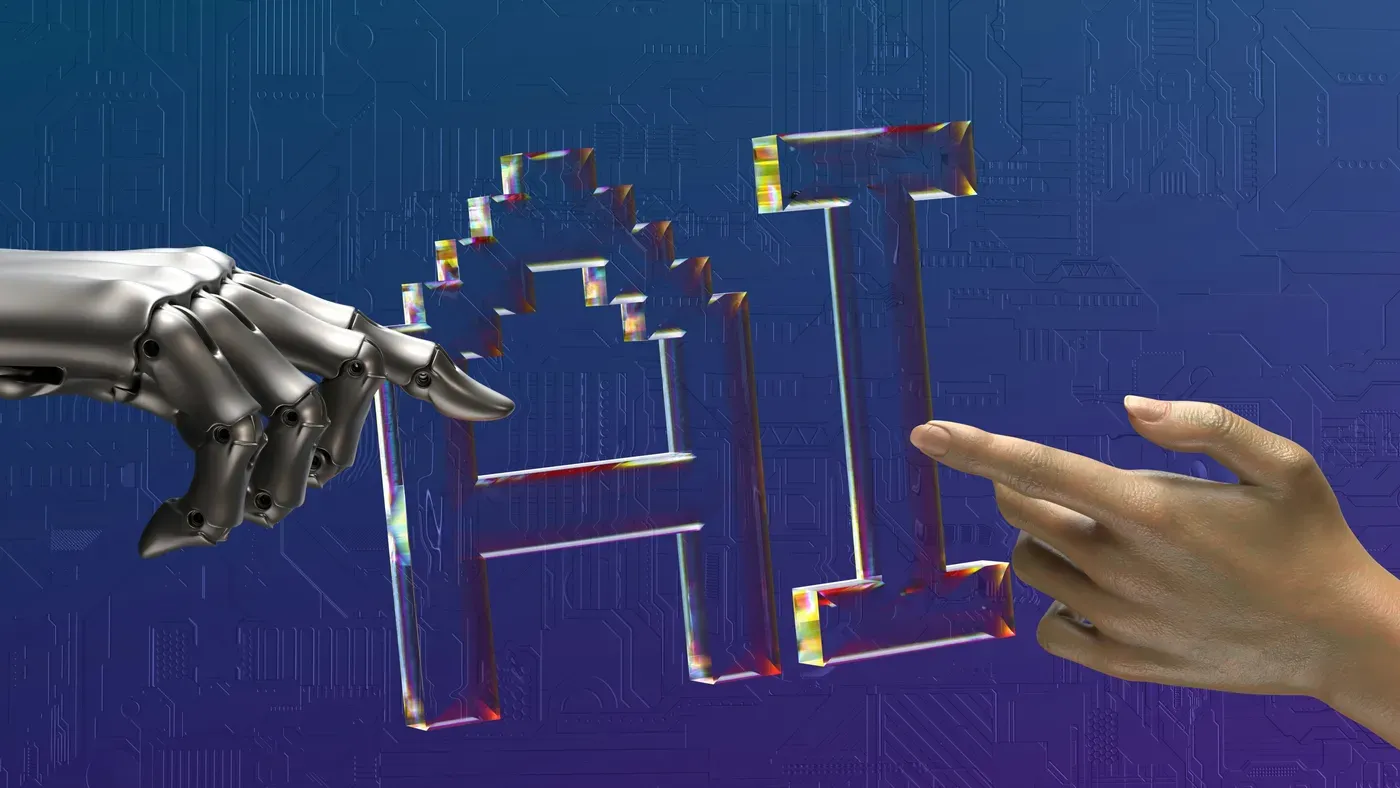
The sudden rise of generative AI has taken the world by storm, and EPFL is no exception. In late 2022, ChatGPT-like technologies invaded the computers and smartphones of tomorrow's engineers, quickly gaining traction among students.
As a result, over 90% of EPFL students now use AI as a learning tool to lighten their workload and expedite tasks such as scheduling study time, taking notes, and completing class assignments. This shift is largely attributed to the still-malleable learning habits of these young engineers and the rapid advancements in AI models.
While some might worry that AI has replaced human intelligence or memory, this doesn't seem to be the case at EPFL. Students are using AI as a tool to learn from their mistakes, take practice exams, and manage stress, rather than relying solely on it for academic success.
Interestingly, students' major plays a significant role in how they use AI. Computer science majors tend to adopt more advanced approaches, whereas mathematics majors are more cautious of the statistical predictions made by these models.
Despite some reservations, around three-fourths of EPFL students find that AI is effective in explaining course material, and two-thirds agree it helps with solving weekly homework problems.
The survey conducted by EPFL's AI working group has shed light on students' usage of artificial intelligence in their studies. Around 40% of respondents do not use AI outside of coursework, suggesting that many students are cautious about relying too heavily on the technology.
However, those who do use AI tend to employ it for specific tasks, such as getting answers to questions that arise during the day. This targeted approach may indicate that students are learning to harness the benefits of AI while avoiding its pitfalls.
To help students navigate this complex landscape, EPFL's Teaching Support Center has published two handbooks. These resources aim to guide students in using AI effectively and responsibly, raising awareness about the potential risks of delegating cognitive tasks to machines.
Researchers at CAPE have expressed concerns that students may be outsourcing mental effort to AI programs, which could undermine their own learning process. This issue highlights the need for a more nuanced understanding of how AI affects student outcomes.
Students surveyed by EPFL's AI working group appear to hold a balanced view of AI's advantages and disadvantages. They recognize its potential as a powerful tool when used judiciously, but also worry about biases, misuse, and negative social and environmental impacts.
The survey findings suggest that students are aware of the need for careful consideration when using AI in their studies. This awareness is essential for developing effective strategies to mitigate the risks associated with AI and maximize its benefits.
A significant majority of students polled in a recent survey reported feeling little or no pressure to use artificial intelligence (AI) for their coursework, despite its growing presence in educational settings.
However, 60% of respondents revealed that at least one teacher had encouraged them to utilize AI, raising concerns about the potential impact on academic integrity and the value of human effort. Furthermore, a substantial number of teachers who endorsed AI usage also shared insights into how it is influencing various disciplines.
The overall attitude among EPFL faculty members appears to be open-minded and accepting of AI's role in education, as long as its use is informed, transparent, and moderate.
Facts based on reporting originally published by Phys.org.
You may republish this story, in full or in part, if you credit News Central Site and link to it (licence CC BY 4.0). Photos are not included.