Fuel Prices Reach New Heights Amid Refining Constraints
The US economy is experiencing a surge in inflation, with fuel prices rising to unprecedented levels.
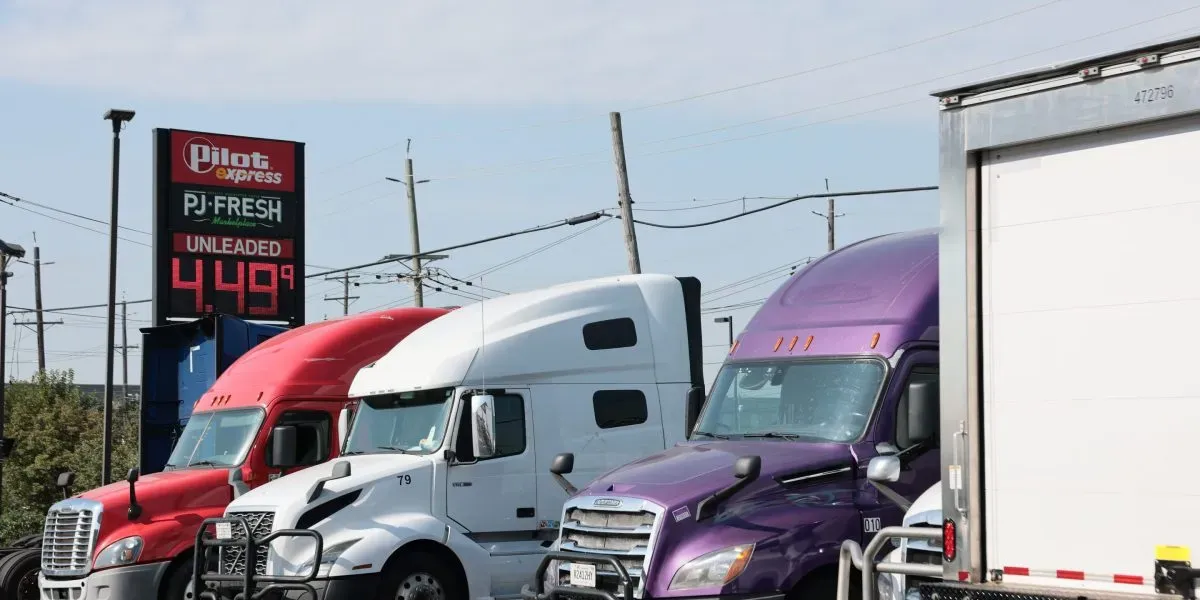
Fuel prices have surged to unprecedented heights, leaving businesses reeling and consumers struggling to cope with the added costs. The latest data shows that inflation is spreading beyond energy costs, affecting various sectors of the economy.
Crude oil prices have stabilized in recent times despite ongoing tensions in the Middle East, but refining constraints remain a major issue. As a result, gasoline and diesel costs continue to rise, with average diesel prices reaching $6.30 per gallon this week - a staggering 68% increase since the Iran war began. This spike has significant implications for industries that rely heavily on diesel fuel.
The impact of high fuel prices is being felt across the economy, with businesses passing on more costs to consumers. According to the Labor Department's consumer price index, core inflation rose to 2.6% in September from 2.4% in August. Meanwhile, retail sales data shows that core spending outside gas stations increased by just 0.2%, as fuel prices took a bigger bite out of household budgets.
The Federal Reserve's latest Beige Book survey paints a worrying picture of higher fuel prices affecting businesses across the country, with concerns about rising costs and reduced consumer spending.
Fuel surcharges are becoming increasingly common throughout the supply chain as businesses struggle to absorb rising costs. This trend is squeezing profit margins for many companies, forcing them to pass on higher expenses to consumers in the form of increased prices.
Some manufacturers are experiencing the most significant inflationary pressures since the pandemic, according to a recent assessment by the New York Fed. Meanwhile, other food producers have reported that nearly all materials they purchase now come with an additional freight surcharge, as noted by the San Francisco Fed.
The Boston Fed observed that existing trucking contracts have helped keep produce prices stable so far, but this situation is likely to change once these contracts are renegotiated and costs rise. Similarly, some manufacturers in the Philadelphia Fed's district have benefited from the expiration of certain hedges that previously kept costs under control, giving them more flexibility to adjust their pricing.
The Cleveland Fed highlighted the significant impact of high fuel costs on businesses across various sectors, with one builder describing it as a "double whammy" due to its combination with tariffs. This has resulted in reduced consumer spending in some areas, with retailers attributing slow activity to high fuel prices.
In contrast, some districts have reported little or no change in overall consumer spending, while others have seen an increase. The Richmond Fed noted that consumer spending in their region grew moderately despite the challenges posed by high fuel costs elsewhere.
High fuel costs are taking a toll on businesses across various sectors, forcing them to make difficult decisions to stay afloat. Trucking companies, for instance, are struggling to turn a profit due to rising diesel prices. Despite locked-in contract rates, carriers are being squeezed by the increasing cost of fuel, which is eating into their savings and affecting their operations.
One regional grocery chain has been particularly affected by these developments. According to its own assessment, the cost of transporting a head of lettuce from California now exceeds the price of the lettuce itself due to the 30% rise in diesel prices since last year. The grocer's customer base is extremely sensitive to price changes, making it challenging for them to pass on the increased transportation costs.
Fuel costs have become increasingly volatile, causing problems for businesses that rely heavily on transportation. A Montana timber company reported that fuel costs had more than doubled on a project contract signed several months ago, highlighting the unpredictability of these expenses.
The ripple effects of high diesel prices are being felt across industries, with suppliers, distributors, and customers renegotiating contract terms to protect profits. The majority of firms in one region expect demand to weaken further if fuel prices remain elevated, underscoring the broader economic impact of this trend.
Regional contacts in rural Colorado reported intermittent diesel shortages at gas stations, forcing some buyers to take early delivery of fuel shipments to ensure availability. This development highlights the strain on supply chains as fuel prices continue to rise.
The ripple effect of high fuel expenses is also being felt in the labor market, where workers are demanding higher pay to offset living costs, including gasoline and electricity. Several business contacts reported handing out pay raises due to these increased expenses.
In some regions, employees have requested cost-of-living adjustments to compensate for rising fuel and food prices. While not all employers have granted these requests, those who have done so acknowledge the need to help workers cope with escalating living costs.
The impact of high diesel prices is being felt across various industries, from freight and agriculture to airlines, where margin compression has become widespread. This trend is causing significant financial strain for many businesses, which are struggling to maintain profitability in the face of rising fuel costs.
As consumers navigate these economic challenges, they are no longer benefiting from a tax refund cushion that helped them weather previous price shocks. With gas prices surging once again and the Iran war showing no signs of resolution, Americans are facing a more vulnerable financial situation than before.
Higher gas prices are having a profound impact on various sectors of the economy, as consumers and businesses alike struggle to cope with rising costs.
The absence of any offsetting effect this time around is particularly concerning, according to Michael Pearce, chief U.S. economist at Oxford Economics. He notes that unlike earlier in the year, there's no fiscal policy relief to cushion the blow of higher gas prices. As a result, the cumulative additional spend on gasoline so far this year now exceeds the rise in tax refunds from last year.
Facts based on reporting originally published by Fortune.
You may republish this story, in full or in part, if you credit News Central Site and link to it (licence CC BY 4.0). Photos are not included.