Ferdinando Verderi's Home Becomes Unlikely Haven for Fox Visitor
A London-based creative director has found himself sharing his garden with a fox that seems unimpressed by his presence.
London-based creative director Ferdinando Verderi's home has become an unlikely haven for a furry visitor - a fox that has been making itself at home in his garden.
When Verderi steps into his garden, he finds the fox to be utterly unimpressed by his presence. "When I walk into the garden, I realize the fox doesn't care I'm there," he says matter-of-factly.
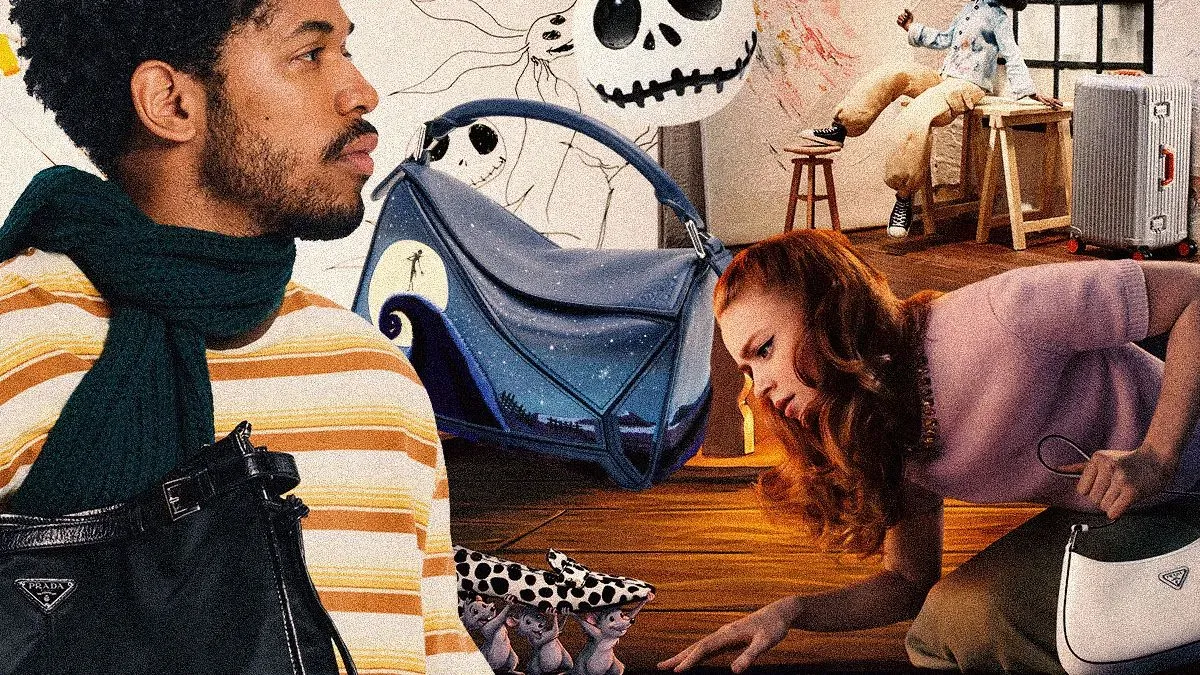
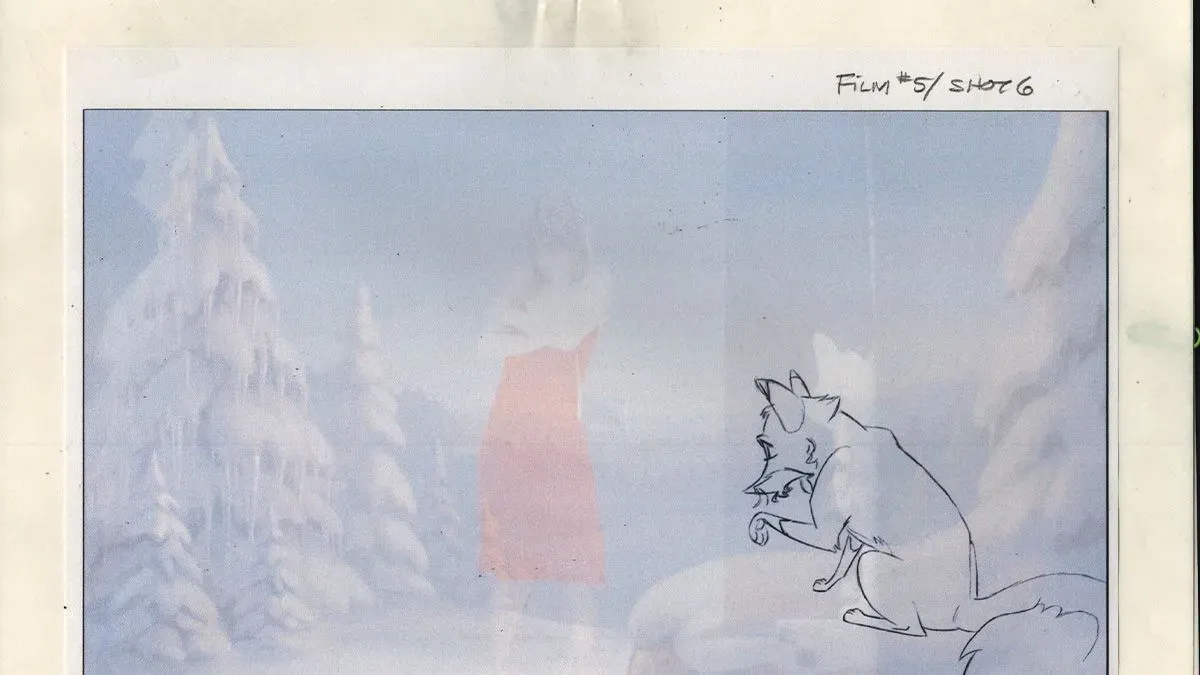
Verderi's unexpected guest inspired one of the animated characters in Prada's Holiday 2026 campaign, Drawing Prada: Animated by Hand. The campaign is a collaboration between Miuccia Prada and Raf Simons, with Verderi as creative director.
Under their direction, traditional animators led by John Pomeroy, known for his work on Disney classics such as Pocahontas and Fantasia 2000, worked alongside live-action photographer Glen Luchford to bring the campaign to life.
The films showcase a range of whimsical creatures - foxes, mice, bats - all coveting Prada's stylish wares. The resulting animations have a warm, old-fashioned charm that is both soothing and captivating.
The campaign's impact extends far beyond its initial release, sparking intense debate within and outside the fashion industry about the role of AI in creative processes.
This controversy has been fueled by another high-end holiday animation, Christian Dior's Night in Color, directed by French animator Sylvain Chomet, which some viewers claim contains AI-generated imagery due to apparent inconsistencies in individual frames.
Chomet and producer Aton Soumache have categorically denied using generative AI, stating that the film was produced using traditional 2D animation techniques combined with automated interpolation to smooth out transitions between frames.
The luxury holiday animations are gaining massive traction online, with Christian Dior's Night in Color receiving a significant number of views and likes on social media platforms.
Comments from viewers suggest that the appeal of these animations transcends their intended audience for high-end brands.
The creative team behind 'Drawing Prada' aimed to make the process of creation an integral part of the campaign's message from the very beginning.
“Can a process be emotional?” Verderi asked, highlighting the focus on storytelling through traditional techniques that evoke warmth and nostalgia.
As Christmas approached, the decision was made to use these familiar methods to tap into feelings often associated with childhood, despite their increasing obsolescence in modern image production.
The campaign's fluidity relies heavily on the work of specialists known as inbetweeners, who fill in the gaps between key poses drawn by lead animators.
In addition to this labor-intensive process, Verderi and his team also experimented with smear frames, deliberately distorted drawings that convey movement.
These unusual images might seem bizarre when viewed individually, but when seen in sequence, they showcase the animator's skill.
Verderi notes that the human work involved gives the process a significance it wouldn't have otherwise.
The use of traditional techniques like these is particularly noteworthy in an industry where digital efficiency has become the norm.
Techniques once commonplace are now seen as extravagant and inefficient by modern standards, yet this very inefficiency has taken on a romantic quality.
The innovative spirit behind "Drawing Prada is multifaceted and open to interpretation.
Verderi emphasizes the project's forward-thinking approach, rather than its potential anti-AI stance. He views it as a reimagining of old technology for modern purposes.
A key component of this digital experience is the fusion of documentary footage, original sketches, and public discussion. This blend creates an immersive atmosphere that was previously unimaginable.
Verderi's own past work has consistently explored the intersection of fashion images and their broader cultural context.
The debate surrounding AI-generated imagery has highlighted the growing importance of transparency in image production.
Prada's use of AI in post-production has sparked controversy, prompting questions about the authenticity and meaning behind fashion images.
Verderi's work often explores the intersection of traditional techniques with modern contexts, as seen in his revival of older animation methods in one of the campaigns.
This deliberate blending of old and new can be seen as a way to breathe new life into outdated styles, rather than simply relegating them to the past.
The Prada brand's emphasis on creating clothes that are real" and intended for human wear rather than mere spectacle reflects a deliberate approach to design. This focus on practicality is a key aspect of Simons' vision for the brand. He believes that creative decisions should originate from a place of emotion, knowledge, and respect for history.
The idea that brands should be relatable and authentic resonates with Verderi, who sees it as essential to building an emotional connection between consumers and brands. According to him, people respond to human traits when they look at brands, which is why authenticity is crucial in today's market. This perspective suggests a shift away from the purely technological focus of AI-driven design.
Verderi notes that earlier controversies over digital retouching, Photoshop, and digital photography eventually faded as technology became more familiar. However, he believes that the current debate surrounding AI will persist due to its fundamentally different nature. Unlike previous technologies, AI is not merely a tool but a new dimension in the creative process, raising questions about human involvement.
The ongoing conversation between humanity and machine is unlikely to disappear anytime soon, according to Verderi. This complex discussion will continue as technology advances, forcing us to reevaluate what it means to be creative and design for real people rather than just a digital ideal.
Facts based on reporting originally published by Vogue.
You may republish this story, in full or in part, if you credit News Central Site and link to it (licence CC BY 4.0). Photos are not included.