Donald Trump Endorses Benjamin Netanyahu Ahead of Israeli Elections
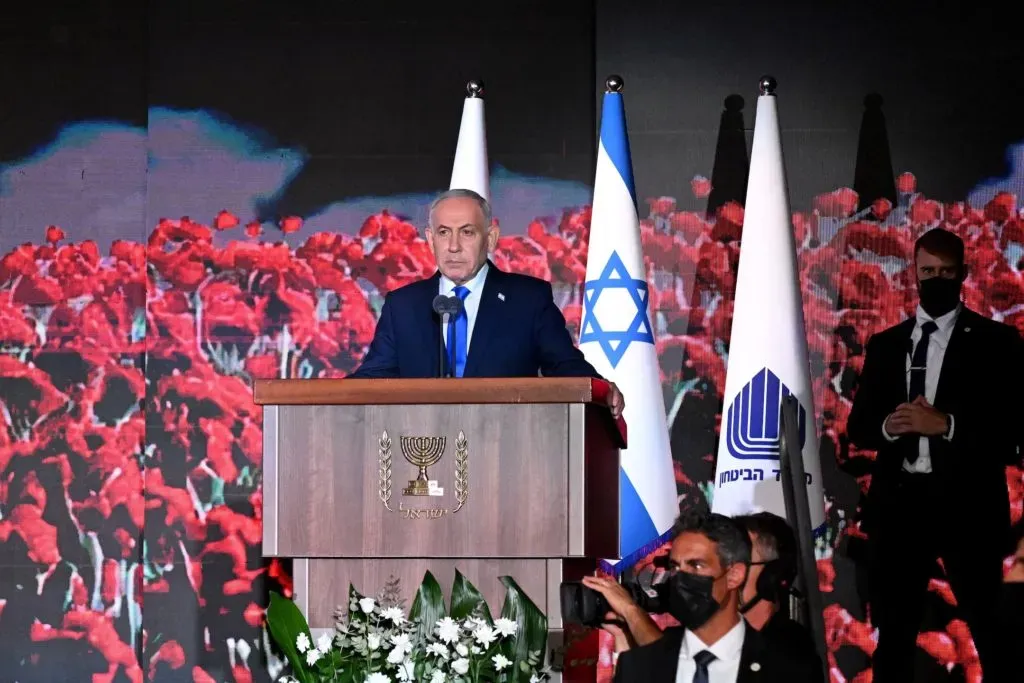
US President Donald Trump has announced his endorsement of Israeli Prime Minister Benjamin Netanyahu, a move that comes late in Netanyahu's reelection campaign.
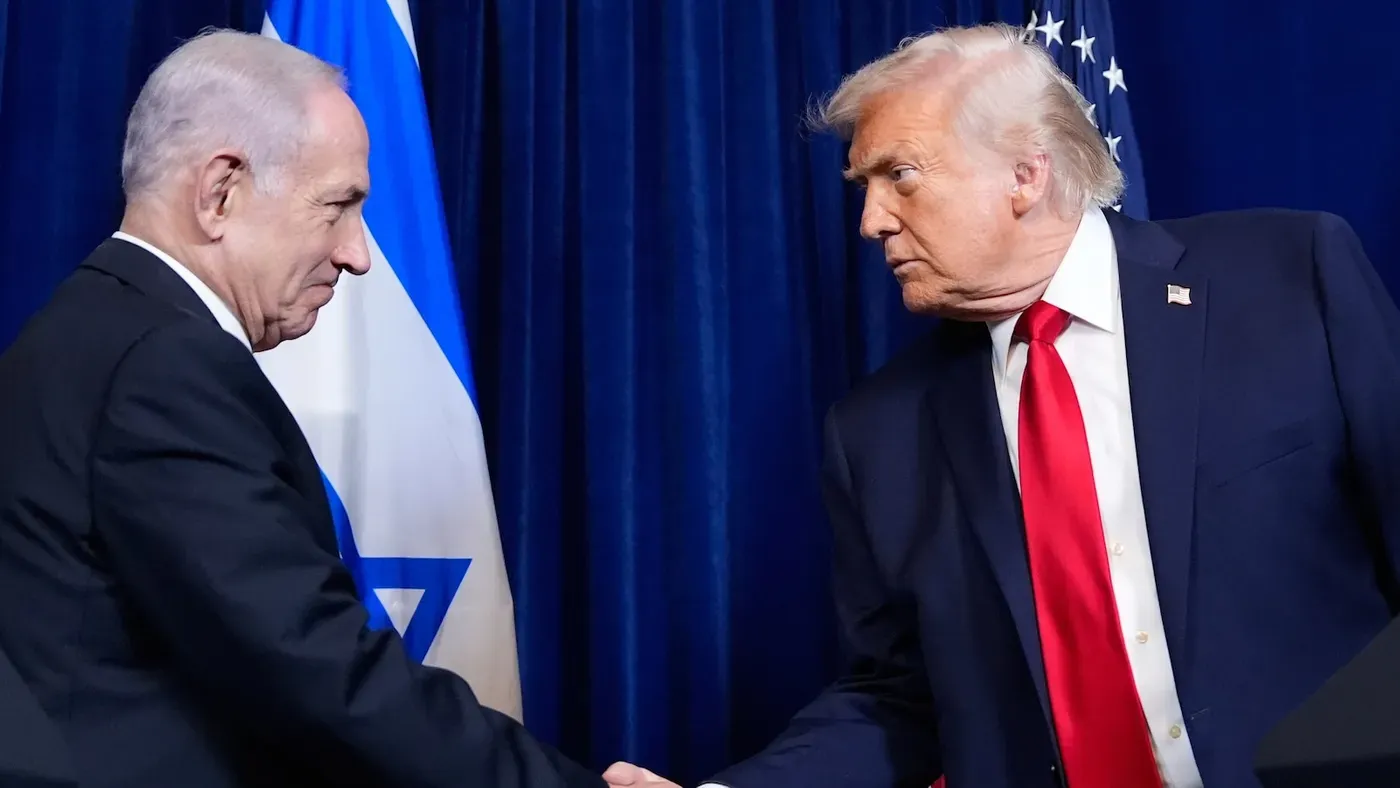
President Donald Trump has announced his endorsement of Israeli Prime Minister Benjamin Netanyahu, a move that comes late in Netanyahu's reelection campaign. The endorsement is seen as a significant boost for Netanyahu due to Trump's enduring popularity among Israelis.
The decision to endorse Netanyahu was not made public until Sunday, when Trump shared a post on social media praising the embattled prime minister. In his statement, Trump referred to Netanyahu as "a Great Warrior Prime Minister" and commended his efforts in combating Iran.
Netanyahu has been seeking to capitalize on his close relationship with Trump throughout his campaign. However, it appears that he had initially expected an endorsement from the American president earlier in the election process. The delay may have contributed to a sense of uncertainty among Netanyahu's supporters.
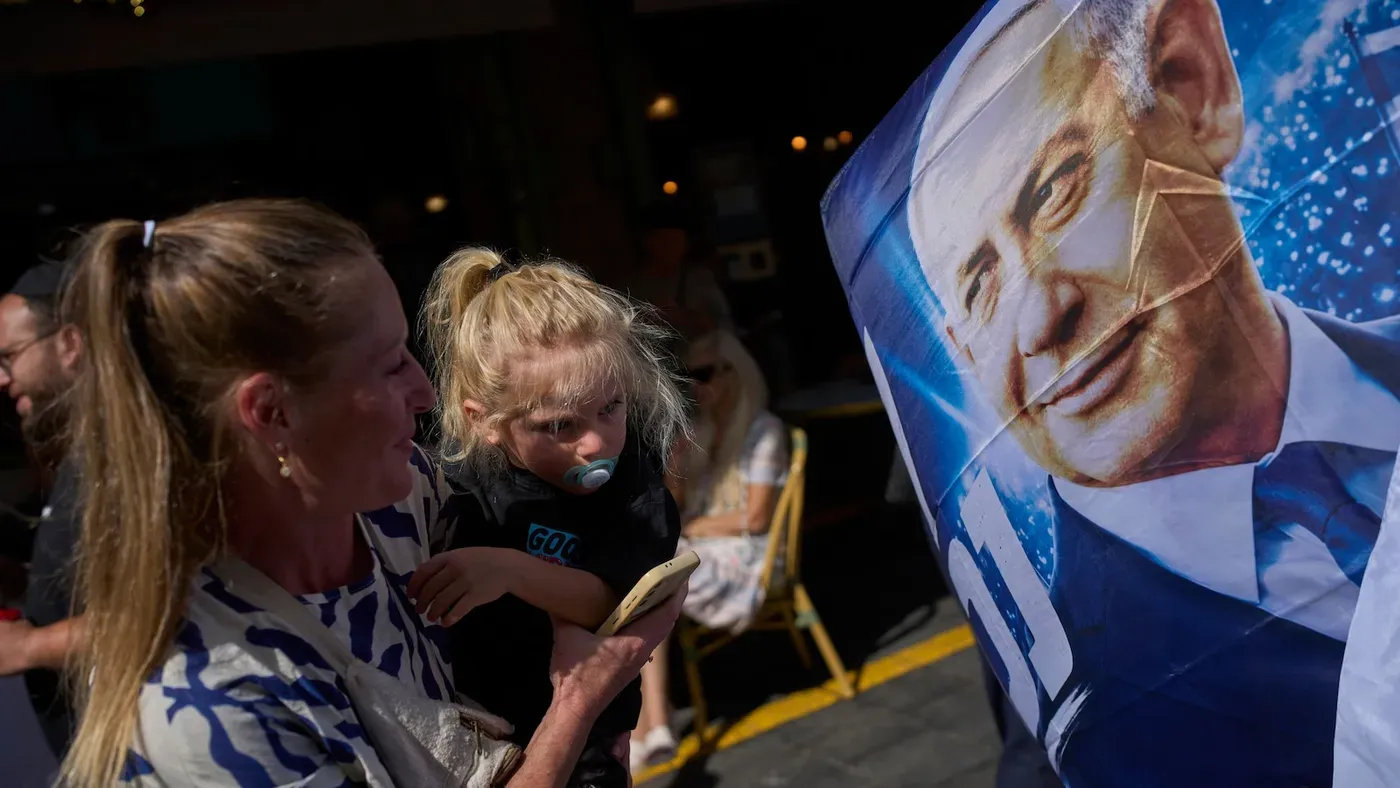
The Israeli elections are scheduled for October 27th, following a series of events including the Hamas attack on Israel in October 2023. This has added an extra layer of complexity and tension to the campaign.
Netanyahu's Likud Party responded quickly to Trump's endorsement by posting a video showcasing their joint efforts. The statement from Netanyahu himself was brief but enthusiastic, thanking Trump for his support and promising to continue working together.
The impact of Trump's endorsement on the election outcome remains uncertain, with many analysts pointing out that opinions about the American president are divided among Israelis. Some have expressed disappointment over the lack of concrete results in the Iran war effort.
As the Israeli general election approaches, US President Donald Trump has thrown his weight behind embattled Prime Minister Benjamin Netanyahu's bid for reelection. In a post on social media, Trump reiterated his threat to take action against Iran if it doesn't change its ways quickly, but hinted that he might not feel compelled to do so if Netanyahu loses the election.
Trump's statement suggests that he sees Netanyahu as a key partner in achieving his foreign policy goals, particularly with regards to Iran. The President stated that America would have to intervene if Israel has the "wrong Leader", implying that Netanyahu is the right one for him. This endorsement comes despite Trump's past comments on Netanyahu being more subdued.
Trump's past support for Netanyahu goes back several years, and he has even sent a letter to Israeli President Isaac Herzog in November asking for a pardon for Netanyahu on corruption charges. The President has also sought to give his stamp of approval to candidates in foreign elections, claiming credit when they are successful.
In his second term, Trump has been active in endorsing politicians abroad, including Hungarian Prime Minister Viktor Orbán and Japanese Prime Minister Sanae Takaichi. He has also endorsed several Latin American leaders, demonstrating his interest in shaping the course of international politics through his endorsements.
The President's endorsement of Netanyahu is significant given his track record of using social media to back candidates he supports. Trump's statement on Netanyahu may be seen as an attempt to boost the Prime Minister's chances in the upcoming election, but it remains to be seen how much impact it will have on the outcome.
The endorsement by former US President Donald Trump of Israeli Prime Minister Benjamin Netanyahu for reelection may be seen as an attempt to bolster Netanyahu's chances in the upcoming election, but its impact on the outcome remains uncertain.
Trump and Netanyahu have had a close relationship, with their bond appearing stronger than ever after joint US-Israeli strikes against Iran's nuclear facilities in 2025. However, during the nearly eight-month war between Israel and Iran this year, they have not seen eye-to-eye on several key issues. Trump expressed disagreement with Israel's decision to attack an Iranian gas field early in the conflict.
Netanyahu has also pushed back against a stalled ceasefire plan proposed by Trump's administration for Gaza. In August, Netanyahu rejected the US proposal, which called for Israel to withdraw from territory it controls in Gaza until Hamas was disarmed, and instead opted to maintain its current control over the area.
Facts based on reporting originally published by ABC News Politics.
You may republish this story, in full or in part, if you credit News Central Site and link to it (licence CC BY 4.0). Photos are not included.