Dating coaches sharing private conversations on social media without consent
Chad Franklin, his services come at a price for clients reportedly paying upwards of $5,000.
Dating coaches like Chad Franklin are making a name for themselves on social media platforms by sharing intimate conversations with their clients, often without consent. These private communications are then used to illustrate specific behaviors that men should avoid in relationships. With over 512,000 followers on TikTok, Franklin's content has become a go-to source of entertainment and advice for many.
Franklin's approach is centered around helping straight, career-driven men overcome their "simp" behavior, which he defines as putting women on a pedestal or giving them excessive attention. His services come at a price, with clients reportedly paying upwards of $5,000 for his expertise. By sharing private conversations, Franklin aims to provide a candid look into the lives of his clients and offer guidance on how to navigate complex relationships.
As a result of this trend, dating app Hinge has announced plans to test screenshot protection in India, sparking a heated debate around digital etiquette, privacy, and shame. The move is seen as an attempt by Hinge to address concerns about users' personal information being shared without consent. However, the decision has also reignited discussions about the blurred lines between online behavior and offline consequences.
Franklin's content creation has become a topic of interest in this context, with some questioning whether sharing private conversations can be considered acceptable or even helpful in the pursuit of self-improvement. With his large following and influence on social media, Franklin is now at the center of a broader conversation about digital etiquette and responsibility.
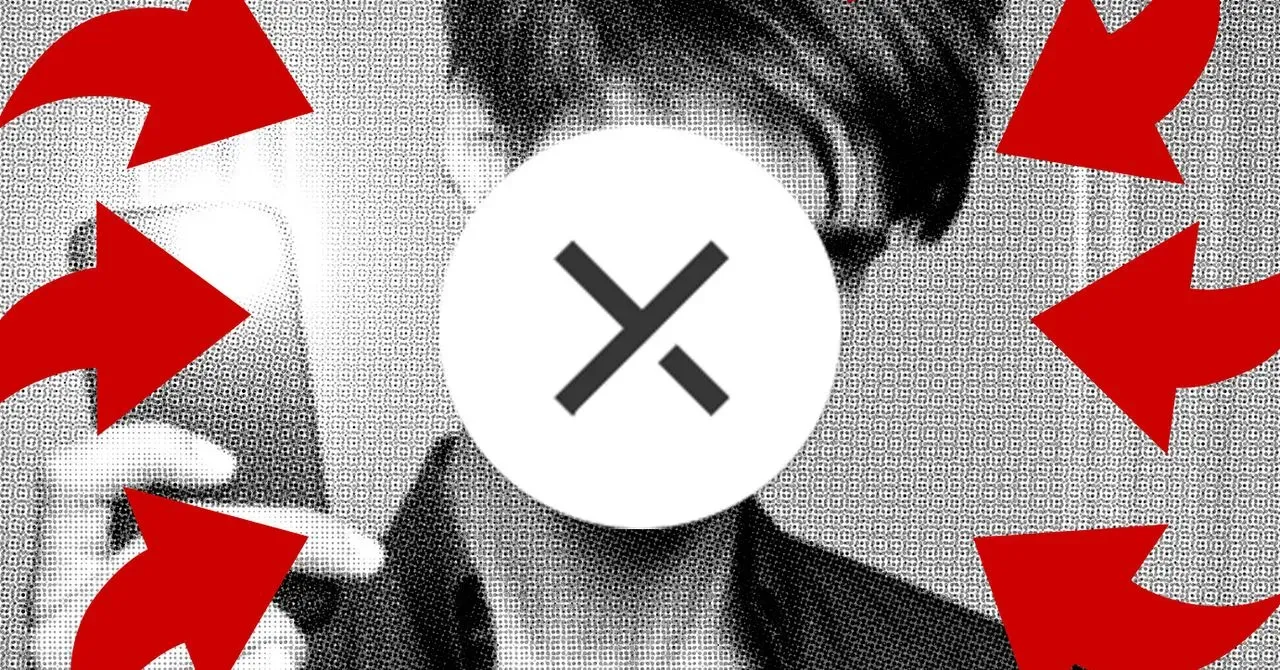
The trend of screenshotting and sharing dating app profiles has become a popular form of content creation on social media platforms like TikTok and X. Some users have built entire brands around highlighting the bizarre or cringe-worthy aspects of online dating profiles.
However, critics argue that this trend is a form of public humiliation that should be stopped. With Hinge's recent decision to revoke profile screenshotting ability in India, some people are responding with relief that they will no longer be subject to ridicule and shame.
The shift towards private and less performative forms of communication on dating apps seems to be underway, as users express a desire for more discreet interactions. This change is particularly evident among those who feel that the current state of online dating has become too toxic and broken.
Hinge's India pilot is testing a new feature that blocks screenshots on certain profile pages, including those containing personally identifiable information.
The move aims to help users build trust within the platform and among each other. Hinge confirms this initiative as part of its efforts to address user concerns about online dating safety.
A recent study highlighted the issue of "privacy turbulence caused by screenshotting, where a recipient can store and redistribute private conversations without the sender's knowledge or consent.
The safety of users is a top concern for dating app developers, who are trying to balance this need with the right to privacy. While screenshots can be useful in documenting inappropriate behavior or verifying someone's identity before meeting up, they also pose a risk to private conversations. This privacy turbulence" has sparked debate about when it's acceptable to share screenshots.
Dating app communities have formed around sharing screenshots of suspicious behavior, often for safety reasons. For instance, groups like Are We Dating the Same Guy? emerged as women shared screenshots to warn each other about potentially problematic matches. However, this trend has also led some users to feel uncomfortable or even harassed by others screenshotting their conversations.
Dating apps are taking steps to address these concerns, with Hinge's community guidelines explicitly prohibiting harassment, bullying, and intimidation. Users will still be able to take screenshots if they need to report suspicious activity for safety reasons, providing an added layer of protection against harassment.
Dating apps have become a breeding ground for online harassment, with users' profiles often being used as content gold by social media influencers and comedians. Franklin, a dating app expert, believes that users should be aware of the risks involved in sharing personal information online.
Franklin suggests that individuals can take steps to protect themselves from becoming a punch line on social media by avoiding dating apps altogether. He recommends alternative ways to meet people, such as striking up conversations at dog parks or farmer's markets.
Facts based on reporting originally published by Wired.
You may republish this story, in full or in part, if you credit News Central Site and link to it (licence CC BY 4.0). Photos are not included.