Tropicalization Trend Emerges in Mediterranean Region
A significant trend is emerging in the Mediterranean region where climate patterns are shifting towards a more tropical climate due to rising air and sea temperatures.
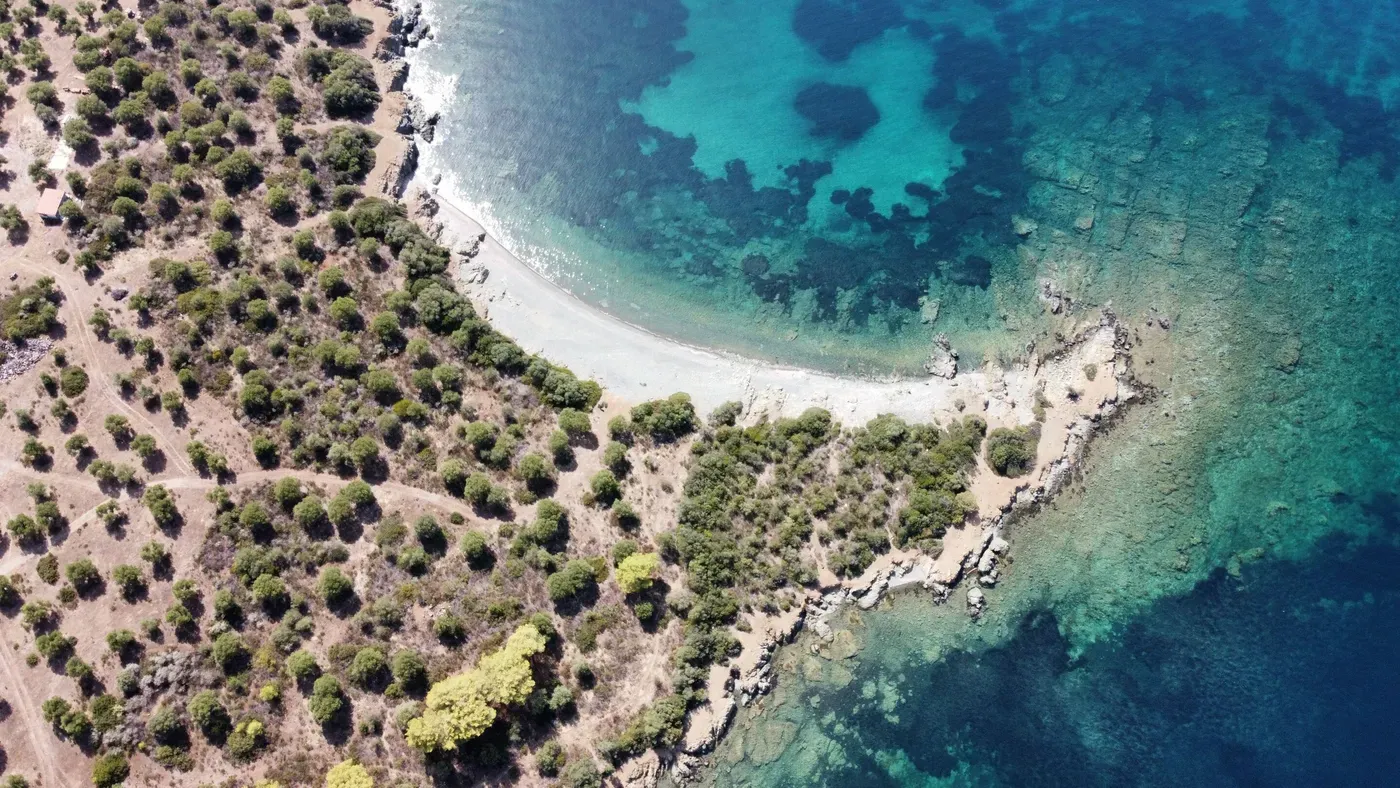
A significant trend is emerging in the Mediterranean region, where climate patterns are shifting towards a more tropical climate. This phenomenon, known as tropicalization, is characterized by rising air and sea temperatures, altered atmospheric pressure systems, and unpredictable rainfall. The changes are particularly pronounced in the Iberian Peninsula and the Balearic Islands.
For a region to be considered tropical, it typically requires an average temperature of 18°C (64°F) or higher in its coldest month. However, Spain's winters remain relatively cool, with temperatures that do not align with those found in tropical climates. The stark contrast between the country's winter and summer temperatures is a notable characteristic.
Recent decades have seen distinct signs of tropicalization across the Mediterranean basin. Air temperature has risen more sharply than the global average, leading to shorter winters and longer summers. This shift has also brought spring forward and delayed the onset of autumn. While transitional seasons still exist, their timing on the calendar has changed significantly.
Rising sea temperatures are another indicator of tropicalization in the region. The Mediterranean's shallow and deep waters have experienced a notable increase in temperature, extending down to depths of approximately 100m (328 feet). This warming trend is part of the broader climate shift that is affecting the entire basin.
The changes in atmospheric patterns and rainfall have also contributed to the perception that the Mediterranean is undergoing tropicalization. These shifts are likely linked to the increased air temperature, which is creating a more unstable environment for precipitation and weather events.
Water temperatures off the coast of Mallorca have been reaching alarming levels in recent summers, exceeding 30°C on some days. This is comparable to, or even surpassing, the temperatures found in tropical regions such as the Caribbean and the Gulf of Mexico.
The shift in climate is also evident in the movement of major wind belts and pressure systems in the Northern Hemisphere. These systems, which play a crucial role in shaping weather patterns at equatorial and tropical latitudes, are slowly moving northward towards the Mediterranean basin.
This phenomenon is linked to the expansion of the Hadley cell, a global atmospheric circulation pattern that governs weather at equatorial and tropical latitudes. As this trend continues, it will have far-reaching consequences for the region's climate and weather patterns.
The rising sea temperatures in the Mediterranean are creating an environment conducive to hurricane formation. The minimum surface temperature required for hurricanes to develop is around 26.5°C, a threshold that has been exceeded in large areas of the Mediterranean this summer.
Warm waters are essential for hurricanes to form and grow, providing the necessary fuel for intense convective processes that generate storms and torrential downpours.
The Mediterranean region has seen an increase in atmospheric depressions that share characteristics with tropical cyclones, a phenomenon known as medicanes or "Mediterranean mini-hurricanes".
Medicanes are low-pressure systems with a warm core and a distinct eye visible in satellite images, surrounded by dense, spiral-shaped cloud cover. They bring heavy rainfall and strong winds to the region.
The occurrence of medicanes dates back decades, but records have been inconsistent due to varying definitions of the phenomenon. The list of known cases numbers around 100, making it difficult to determine if their frequency has increased with rising water and air temperatures.
A recent incident in Catalonia highlighted the complexity of diagnosing medicanes. Heavy rainstorms in October 2026 were initially suspected to be caused by a medicane, but closer examination revealed no evidence of the characteristic eye or spiral cloud structure.
The unusual weather patterns observed during that event may have been related to convective cells and mesoscale convective systems behaving in unprecedented ways, rather than a traditional medicane.
The complexities of weather patterns along the Mediterranean coast are a key factor in understanding the region's increasingly unpredictable climate. A variety of atmospheric conditions can lead to torrential rainfall, including cold drops and persistent easterly winds that drive moisture from the sea towards coastal areas.
These factors can also interact with each other, forming complex systems such as mesoscale convective systems, which can contribute to intense Mediterranean weather events. However, the geography and climate of the region make it particularly challenging for forecasters to accurately predict these events.
The combination of atmospheric stability and pleasant weather that characterizes much of the year in the Mediterranean can give way to sudden and unpredictable changes, making forecasting a difficult task even under normal conditions. But recent shifts in global temperatures have introduced an additional layer of complexity.
Forecasting services will need to adapt their procedures to account for these changing conditions, particularly the impact of excess energy derived from heat stored at the sea surface. This requires a more nuanced understanding of local and intermediate spatial scales, as well as the fine-tuning of models to capture the nuances of Mediterranean weather patterns.
Accommodating local knowledge and observations can significantly enhance climate modeling in the Mediterranean region.
By incorporating public input through robust citizen science initiatives, official data can be supplemented and improved. This approach not only enriches the understanding of complex weather patterns but also fosters a more informed public perception of risk.
Facts based on reporting originally published by Phys.org.
You may republish this story, in full or in part, if you credit News Central Site and link to it (licence CC BY 4.0). Photos are not included.