China's Luxury Market Shows Signs of Stabilization Amid Economic Uncertainty
The personal luxury goods market in China showed signs of stabilization in 2025, but luxury fashion remained under pressure.

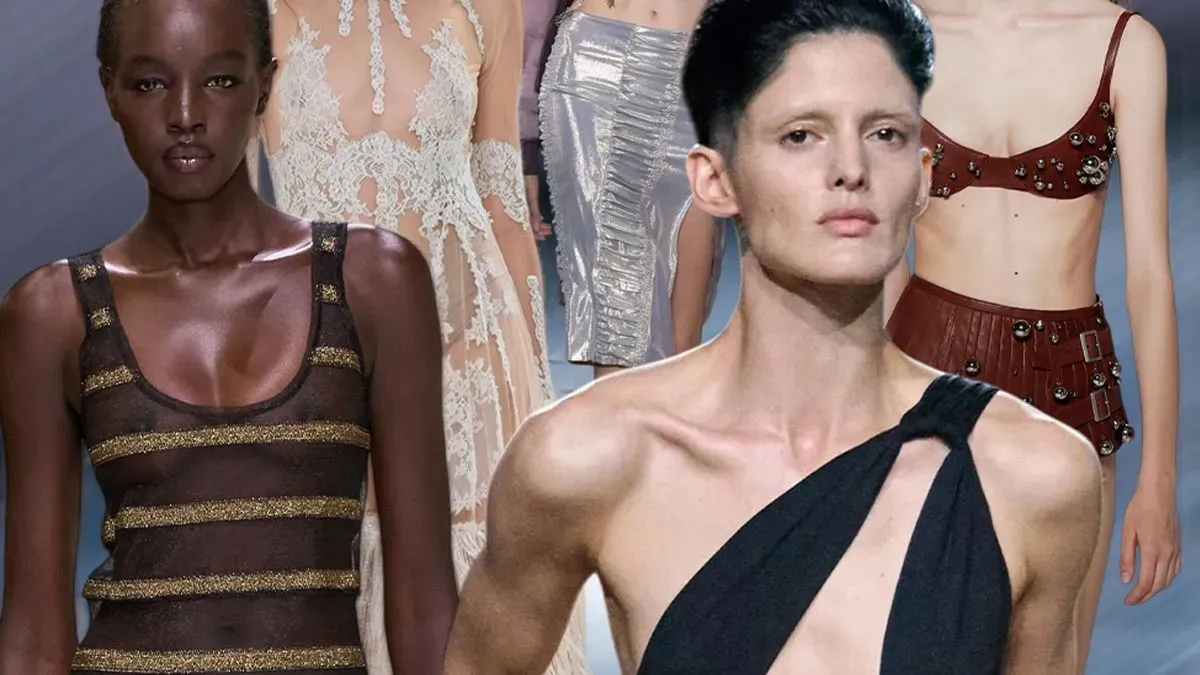
China's influence on the global fashion industry has long been measured by its demand for luxury goods, but a recent shift is underway as domestic design talent begins to make waves.
Fflur Roberts, head of luxury goods at Euromonitor International, suggests that China's luxury market is recalibrating due to economic uncertainty, with weaker consumer confidence and slower growth contributing to reduced discretionary spending.
The country's personal luxury goods market showed signs of stabilization in 2025, but luxury fashion remained under pressure, down significantly from its peak in 2023 according to Euromonitor figures.
Luxury conglomerate LVMH recently reported a 5% drop in sales for the third quarter, attributing the decline to "less buoyant demand" in China, highlighting the challenges faced by global brands in this market.
Roberts notes that to remain relevant in an increasingly competitive landscape, global brands must offer more than just prestige and tradition, as domestic Chinese brands continue to gain traction with consumers.
China's domestic designer market has only recently begun to mature, emerging over the past three decades as local brands began to establish themselves following China's alignment with seasonal fashion norms.
As China's domestic designer market continues to mature, it is clear that the country's fashion industry is on a rapid upward trajectory. In recent years, Chinese design has been gaining traction at an incredible pace, and experts predict this growth will continue for the next 15 years.
The majority of China's growth in the fashion industry has occurred over the past decade and a half, with designers and brands beginning to make their mark on the global stage. This surge in popularity is expected to have far-reaching consequences for Western luxury brands that have traditionally relied on China as a key market for growth.
As Asian fashion continues to gain momentum, it is no longer just Chinese design that is making waves. International talent is increasingly looking to the wider region for new opportunities, with high-profile designers such as Kim Jones and Kris van Assche partnering with local brands in Hong Kong and Japan.
The trend of international designers seeking out opportunities in Asia is not limited to fashion alone. Veteran fashion consultant Jonathan Lee notes that it's no longer a given that Western designers will work in European houses, highlighting the shift towards a more globalized industry.
Meanwhile, PR expert David Siwicki has been expanding his portfolio to include local brands in Asian markets such as Shanghai, New Delhi, and Seoul. By getting involved with these brands, Siwicki says he's gained valuable insights into the evolving culture and consumer mindset of the region.
As style and culture in Asia continue to have a profound impact on fashion at large, it's clear that the industry is undergoing a significant shift towards greater globalization and diversity. With Chinese design leading the charge, it will be fascinating to see how this trend unfolds over the next 15 years.
The Asian fashion industry has been making strides in recent years, with many successful brands emerging from countries such as Japan and South Korea. Comme des Garçons and Wooyoungmi are just two examples of renowned fashion houses that have gained international recognition.
According to Julio Ng, co-founder of 2034, a brand development consultancy, building influential fashion houses in Asia will require time and effort. However, this does not mean that Western brands will cease to thrive in the region.
In fact, luxury brands such as Louis Vuitton, Dior, Loro Piana, and Tiffany & Co. have continued to expand their presence in Tier 1 cities, while scaling back their operations in some lower-tier locations. Our Legacy, a newer brand, has taken a different approach by partnering with local retailer Dongliang on an artsy store in Shanghai that aims to connect with consumers in the area.
Chinese consumers are becoming increasingly discerning about how and where they spend their money, prioritizing quality, individuality, and personal relevance over mere brand recognition. This shift is driving demand for unique and authentic products that reflect local culture and heritage.
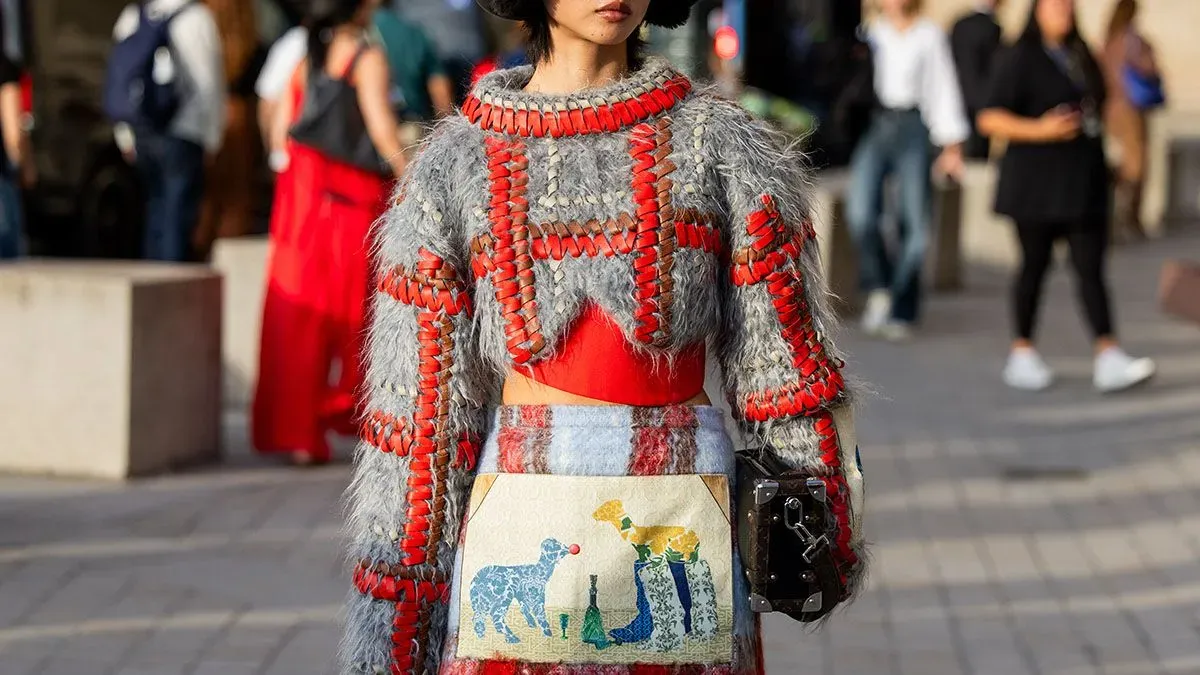
The guochao movement, which celebrates Chinese culture and national pride in fashion, continues to gain momentum. Local designers are finding innovative ways to interpret traditional elements such as qipao and Pankou in their designs, resulting in a fresh and contemporary aesthetic that is unmistakably Eastern.
At Shanghai Fashion Week, Hemu opened the week with a collection inspired by the Silk Road, featuring Chinese silks reimagined into modern clothing with an unmistakable Eastern flair. This trend is a testament to the growing influence of Chinese design on the global fashion scene.
As Chinese design continues to make waves on the global fashion scene, designers are finding innovative ways to connect with international consumers. Samuel Guí Yang's collection based on the myth of the White Snake is a testament to this growing interest in traditionally Chinese aesthetics.
Yang attributes the shift in consumer preferences to a greater openness to cultural exploration. He notes that initially there may have been hesitation around cultural appropriation, but over time, designers and brands have identified a specific type of client who is drawn to these traditional elements.
According to Yang's partner Erik Litzen, their clients understand that incorporating Chinese culture into fashion is not just about borrowing from another culture, but rather about the beauty and craftsmanship of each garment. This approach allows local brands to connect with customers on a deeper level.
Euromonitor's Roberts agrees that tapping into local heritage is key for brands looking to compete globally. By mining their own cultural roots, these brands can build a strong foundation at home before expanding abroad.
However, success in the global market requires more than just innovation and cultural resonance. Brands must also navigate complex distribution channels to reach a wider audience. Giovanni Pugnetti, former CEO of OTB Group Greater China, notes that there is a shortage of high-quality wholesale distributors in China.
The dearth of viable online platforms beyond Taobao and Tmall adds another layer of complexity for brands looking to expand globally. To overcome these challenges, many designers are opting for the direct-to-consumer (DTC) model by opening their own stores, bypassing traditional wholesale channels altogether.
In recent months, two Chinese fashion brands have made significant moves in their home market by opening their first standalone stores in central Shanghai. Mark Gong and Samuel Gui Yang's respective ventures were facilitated by Labelhood, a business incubator that has also supported other emerging designers.
This shift towards direct retail presence in China marks an important milestone for the next generation of Chinese fashion designers. As they navigate the complexities of building a global brand, these designers are rethinking their strategies to better connect with local consumers and establish a loyal customer base.
Samuel Gui Yang's experience suggests that investing in a store can pay dividends in terms of sustained growth and market penetration. By showing outside of traditional fashion week schedules during Shanghai Fashion Week, Yang has been able to build momentum and attract new customers.
Yang's brand now boasts 34 stockists across China, significantly more than its four or five international partners. The designer attributes this success to a deliberate focus on nurturing relationships with local customers and building a loyal following in the market.
In evaluating their growth, Labelhood's Chen and Ng emphasize the importance of differentiating between revenue potential and profitability. They caution that simply achieving high sales figures is not enough; brands must also consider the costs associated with reaching customers, maintaining distribution channels, and managing inventory levels to ensure sustainable business practices.
The success of these emerging Chinese designers has significant implications for Western luxury brands seeking to expand into the Asian market. As they strive to build truly global businesses, designers are no longer content with domestic success alone; instead, they must cultivate loyal customer bases and demonstrate a capacity for repeat business across multiple regions.
The growing costs of attending international fashion weeks are becoming a significant challenge for smaller brands.
Showing at home may not be enough to attract the attention of international editors and buyers, as many Asian cities struggle to consistently draw in this audience.
Tokyo, Shanghai, and Seoul face obstacles such as distance from Europe and the US, language barriers, and rising airfares that deter Western professionals from attending their respective fashion weeks.
These challenges are compounded by a misalignment in calendars across Asia's fashion capitals, which can either overlap or occur at vastly different times, making it less attractive for buyers to travel to the region.
Industry insiders suggest that aligning the dates of these events could increase attendance and make the region more appealing to international professionals.
However, given current political tensions between countries, it is unlikely that the calendars will be adjusted in the near or medium-term future.
Facts based on reporting originally published by Vogue.
You may republish this story, in full or in part, if you credit News Central Site and link to it (licence CC BY 4.0). Photos are not included.