Luxury Brands' Share Prices Plummet Amid Expected Disappointing Q3 Performance
The luxury sector's overall performance in Q3 is expected to be lackluster, with some analysts predicting a decline in sales.
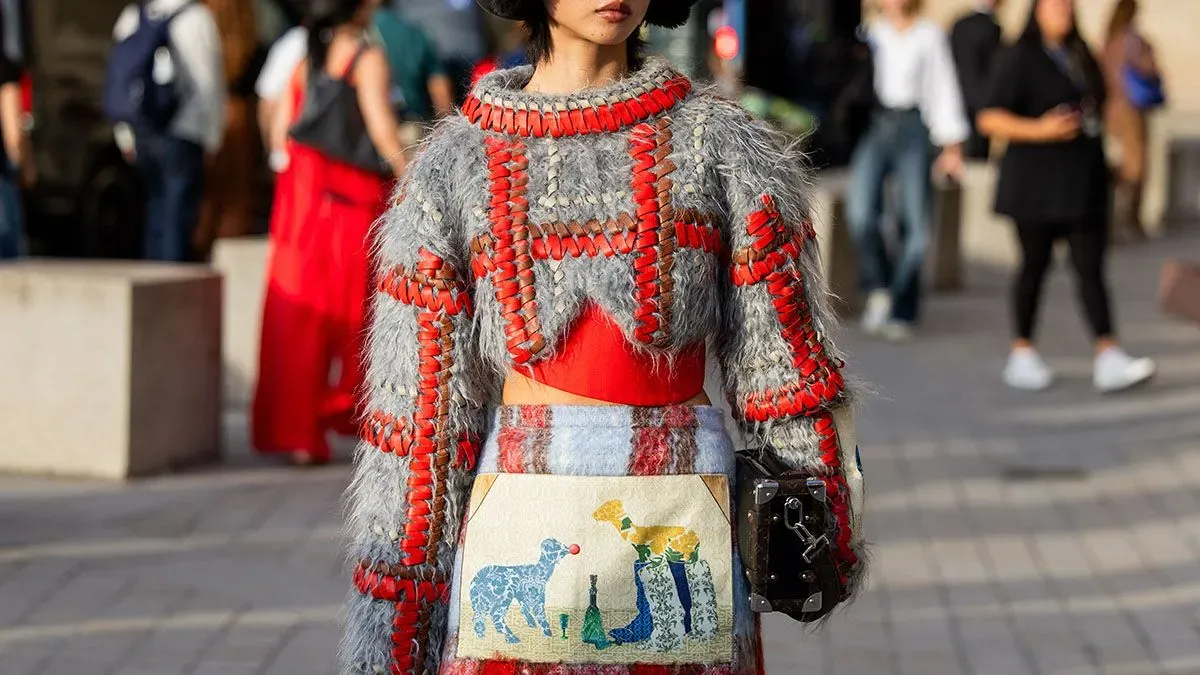
Luxury brands are bracing for a disappointing third-quarter performance, with share prices already taking a hit this year.
LVMH, Hermès and Kering have seen their shares plummet by 40%, 39% and 30% respectively since the start of the year, while Richemont has remained relatively stable. The luxury sector's overall performance in Q3 is expected to be lackluster, with some analysts predicting a decline in sales.
HSBC estimates that luxury sales will grow only 1% in Q3, compared to the same period last year, and even this modest growth may not materialize. This comes on the back of a slow second quarter, where luxury sales increased by just 7%. Analysts point to the deteriorating economic situation in China as one factor contributing to the expected decline.
The slowdown is particularly concerning for LVMH, considered the bellwether of the sector, which is forecast to grow only 1% in Q3. Its key fashion and leather goods division is expected to fall by 2%, a reversal from its modest growth in Q2.
Luxury brands are bracing for a slowdown in sales growth across various regions, including China and South Korea.
China's luxury market has experienced a sequential deceleration, partly due to the introduction of a new tax on foreign assets. This development is being closely watched by analysts who predict that it will have a significant impact on the country's luxury sector. Goldman Sachs' luxury analyst Erwan Rambourg suggests that the question on everyone's mind is what it will take for China to stabilize.
The trademark infringement case involving Louis Vuitton and its four-petal emblem, which was used by a Chinese company without permission, has also raised concerns about the impact of intellectual property disputes on sales. The incident has sparked much debate on Chinese social media, with many questioning the legitimacy of the use of luxury brands' logos. Analysts expect this issue to have a temporary but noticeable effect on LV's sales in China.
In South Korea, the luxury boom that was fueled by wealth generated in the tech sector is expected to moderate in Q3. The country's AI-driven economy has been driving demand for luxury goods, but analysts predict that this trend will slow down.
The luxury market's momentum is slowing down as it enters its third quarter, according to analysts. This slowdown is largely due to a tougher year-on-year comparison basis, making it harder for companies to achieve the same level of growth they experienced in previous periods.
Tourist flows across Europe are also showing signs of weakness, with Asian visitors yet to return and American tourists being the only significant source of demand. Middle Eastern tourism in Europe has not fully recovered from the pandemic-era decline either, which could have a negative impact on third-quarter performance.
The US market is expected to be weaker than previously anticipated due to consumers' cautious attitudes and volatility in equity markets. Analysts predict that this will result in a softer quarter, but they are optimistic about the holiday season, when sales typically pick up.
Jewelry remains a bright spot in the luxury industry, with Richemont's jewelry division expected to continue its upward trend. The division, which includes iconic brands like Cartier and Van Cleef & Arpels, is estimated to see a 17% increase in sales this quarter.
The luxury industry's slowdown is not necessarily a cause for concern, according to some analysts. A healthy development, they argue, could be just what the market needs after years of rapid growth. This cautious optimism comes as several high-end watch and jewelry brands are poised to see significant increases in sales.
LVMH's watches and jewelry division, which includes Tiffany & Co. and Bvlgari, is expected to grow by 11% this quarter. Meanwhile, Kering's jewelry segment, home to Boucheron and Pomellato, is forecast to increase its sales by 14%. These numbers suggest that the demand for luxury jewelry remains strong.
Industry insiders point out that jewelry has been one of the few bright spots in an otherwise sluggish market. This trend is attributed to the fact that jewelry tends to target more affluent consumers who are often less affected by economic downturns. As a result, jewelry brands have managed to stay resilient despite the overall slowdown.
However, some experts warn that jewelry brands may become victims of their own success if they continue to grow at an unsustainable rate. Overexposure is seen as a potential threat to these luxury brands' long-term viability, and industry insiders are keeping a close eye on this development.
The latest fashion collections from luxury brands are hitting stores, but their impact on third-quarter earnings is being closely watched by analysts. Dior's Fall/Winter 2026 collection arrived in stores on September 22, while its cruise collection, presented in Biarritz, will be available in November.
Analysts' forecasts for Dior's performance vary, with HSBC predicting a slight deceleration from the previous quarter, expecting 1% organic growth. In contrast, Goldman Sachs is more optimistic, forecasting 6% growth for Dior in the third quarter. This is despite an expected decline of 2% in LVMH's fashion and leather goods division.
The upcoming GucciCore collection, set to arrive in stores from October/November, is seen as a potential driver of positive organic sales growth in Q4. Industry experts are cautiously optimistic about the prospects for a return to growth, but acknowledge that the current quarter will likely be challenging.
Facts based on reporting originally published by Vogue.
You may republish this story, in full or in part, if you credit News Central Site and link to it (licence CC BY 4.0). Photos are not included.