Longchamp's Le Pliage bag becomes staple among undergraduates since 1993 launch
The iconic foldable tote has become a must-have item on US college campuses, favored by style influencers and featured in new film The Social Reckoning.
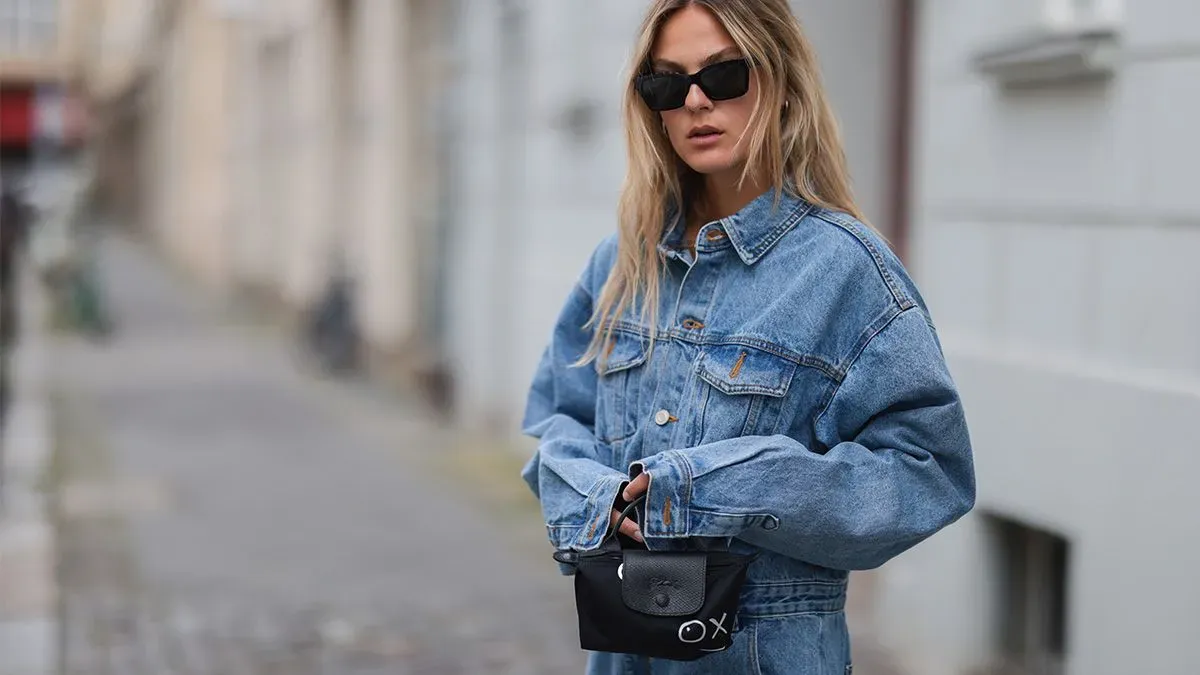
Longchamp's iconic Le Pliage bag has taken over US college campuses, becoming a staple among undergraduates since its launch in 1993. The foldable tote's enduring popularity can be seen on Parisian schoolgirls as young as 13, who wield the bag with ease.
In the UK, Le Pliage is synonymous with accessible luxury, favored by royals and style influencers like Lila Moss and Alexa Chung. Its versatility has also made it a staple in Aaron Sorkin's new film The Social Reckoning, where the protagonist carries the bag as part of her tech employee uniform.
On social media platform TikTok, creators are obsessed with Le Pliage's design, praising its visually appealing and satisfying shape, crafted in workshops across Western France. For many, it represents a first "big girl bag, priced affordably at $165 for the classic large canvas iteration.
Longchamp CEO Jean Cassegrain attributes the brand's success to its commitment to offering excellent value. As the third generation of the Longchamp family, Cassegrain is well-versed in the company's history. His father, Philippe, designed the Le Pliage, while his grandfather founded the brand in 1948.
The original Longchamp products were leather pipe designs that gained popularity among hip youngsters back then. Today, Le Pliage has spawned a new craze, captivating Gen Z and Gen Alpha with its timeless design and accessible price point.
The Le Pliage's enduring popularity has proven to be a pleasant surprise for Longchamp, as it is now the company's top-selling item.
Longchamp has acknowledged that its success in this area cannot be attributed to deliberate marketing efforts, but rather to the timeless design and affordability of the bag itself.
Teenagers are making their own decisions about what they want to buy, and it appears that many are drawn to the Le Pliage for reasons beyond mere branding or advertising.
The brand's approach has been described as passive" and "product-led, which may seem counterintuitive in today's social media-driven landscape where brands often try to manufacture a certain image or trend.
In contrast, other luxury brands like Coach and Diesel have invested heavily in innovative Gen Z-focused social media strategies, but Longchamp seems to be bucking this trend with success.
Longchamp's resurgence as a fashion staple among young people has been noted by industry observers and trend forecasters alike. The brand's classic designs have been rediscovered by Gen Z, who are embracing its understated elegance.
British Vogue has highlighted the bag's revival, labeling it as part of the messy-prep" trend that is sweeping through schools and universities. This shift towards a more relaxed approach to fashion has seen Longchamp's sales soar, with many young people opting for the brand's iconic designs over other luxury labels.
The influence of social media on this trend cannot be overstated. According to a recent report by youth culture agency Archrival, TikTok is the number one platform for Gen Z to discover new products and brands. One 21-year-old student from Chicago revealed that she was influenced to buy a blue Longchamp bag after seeing it featured in several TikTok videos.
The brand's popularity extends beyond just its sales figures, with Gen Alpha also showing a strong interest in Longchamp's designs. As the internet continues to flatten tween culture, young people are increasingly looking for brands that offer a bridge between high-end fashion and more affordable options.
Longchamp's resurgence is being felt across all of its major markets, with France, China, and the US leading the way. The brand has reported significant sales growth in these regions, with North America sales climbing by 40% over the past two years.
Digital sales have also seen significant growth for Longchamp, with e-commerce transactions increasing by 17% in recent times.
The brand is anticipating even more substantial gains in the coming years, with a forecast of double-digit growth expected in 2026. This projected increase will not only surpass the average luxury market growth but also have a profound impact on the company's revenue.
Longchamp's ambition is to expand its reach and scale up operations to meet the growing demand from consumers. By doing so, the brand aims to optimize all aspects of its business, including customer service, website functionality, communications, and event management.
The custom offering, My Pliage, has proven particularly appealing to customers, with its personalization options allowing individuals to tailor their products to suit their preferences. Introduced in 2003, this service has been a key factor in the brand's success, particularly among Asian consumers who have shown strong demand for this feature from the outset.
Longchamp's family ties have played a significant role in its success story. The company has had three CEOs to date, all members of the Cassegrain family. This familial structure allows for long-term planning and decision-making without external pressures to deliver short-term results.
The workforce at Longchamp is predominantly female, with 79% women holding positions within the company. This trend continues in leadership roles, where 40% of the executive committee consists of women. The international subsidiary of directors also boasts a high percentage of female representation, standing at 58%.
Sophie Delafontaine's dual role as creative director and general manager has given her a unique perspective on product performance and brand image. Her close relationship with CEO Cassegrain further enables informed decision-making.
Cassegrain acknowledges the benefits of being part of a family business, including stability and safety. However, this also means Longchamp must rely on its own motivation to drive growth and innovation. The result has been an expanding product line that includes new releases and updates to best-selling items.
Le Cadence, a slouchy leather bag introduced in August, quickly became a top seller after selling out 70% of its initial inventory by the end of September. Meanwhile, Longchamp's ready-to-wear collection serves as a key tool for conveying the brand's image, blending Parisian chic with cheerful design elements.
Longchamp's unique blend of Parisian elegance and cheerful design elements has contributed significantly to its enduring success in the luxury market.
The brand's strong visual identity is closely tied to its optimistic outlook, which sets it apart from other luxury brands that often convey a more serious or somber tone. According to Cassegrain, many brands struggle to strike the right balance between sophistication and humor, resulting in a lack of personality.
Longchamp's direct-to-consumer channel has been a key driver of its success, with around 75% of sales coming from this source. However, the brand is looking to expand its distribution channels, which currently have a limited reach, and increase its online presence to complement its in-store sales.
Facts based on reporting originally published by Vogue.
You may republish this story, in full or in part, if you credit News Central Site and link to it (licence CC BY 4.0). Photos are not included.