Canada Seeks Closer Ties with European Union Amid Global Shifts
Canada is exploring an unprecedented alliance with the European Union as it seeks to reduce its dependence on the United States, with a two-day summit marking a significant effort to strengthen trade and economic cooperation between the regions.
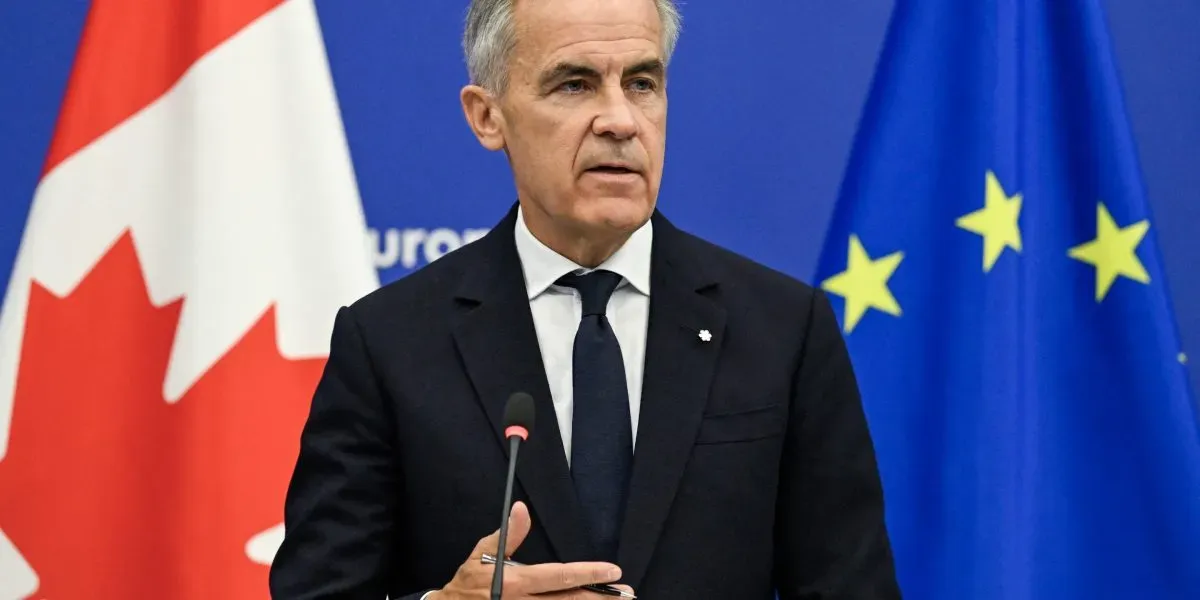
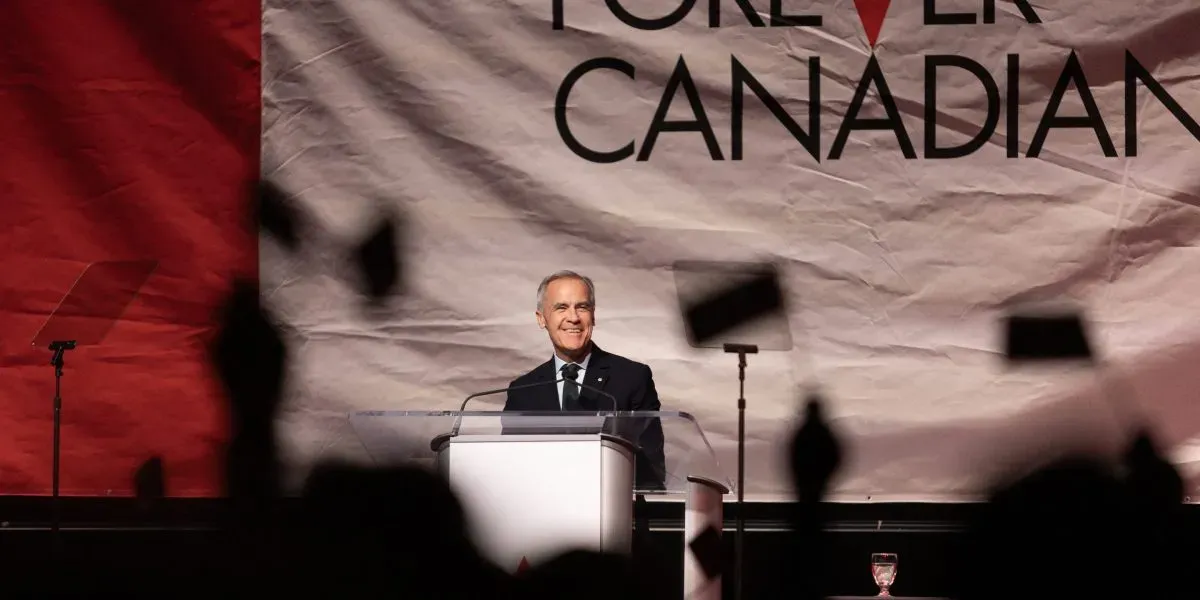
Canada is exploring an unprecedented alliance with the European Union as it seeks to reduce its dependence on the United States in a shifting global landscape. Prime Minister Mark Carney has been vocal about Canada's strong ties to Europe, describing his country as "the most European of non-European countries." This sentiment was expressed early on during the trade war initiated by U.S. President Donald Trump.
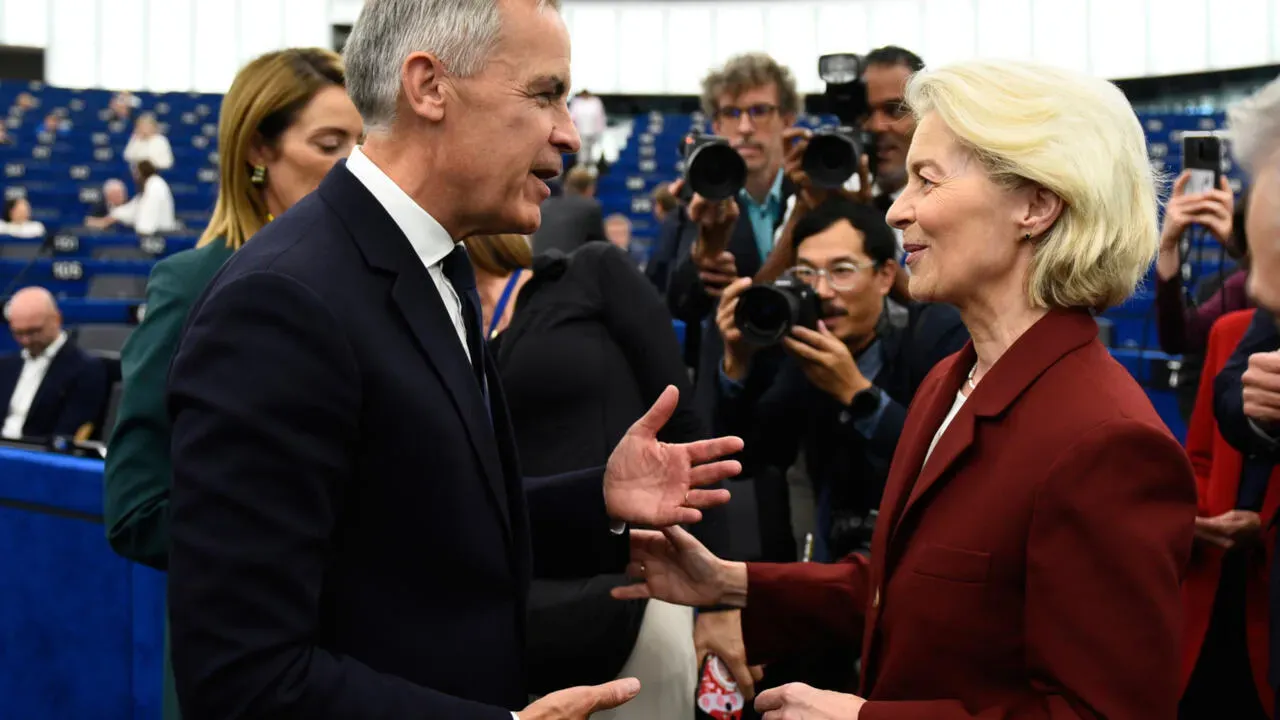
The Canadian government is now hosting top EU officials for a two-day summit in Montreal aimed at strengthening trade, defense, and economic cooperation between Canada and the EU. The meeting marks a significant effort to reduce the two regions' reliance on Washington as they navigate a changing world order. European Commission President Ursula von der Leyen and European Council President António Costa are among those attending the summit.
Speaking in Montreal on Thursday, von der Leyen emphasized the need for countries to work together in the face of increasing economic pressure from dominant trading partners. She noted that relationships once seen as sources of stability were now being used as tools of coercion. The consequences of this trend were felt by ordinary families, according to von der Leyen.
The EU official pointed out that when trade is used as a means of exerting economic pressure, it is the everyday citizen who bears the brunt. She highlighted examples such as increased costs at the supermarket and higher prices for new cars. Von der Leyen also warned that countries were facing a critical choice between acting alone or working with trusted partners to safeguard their economic security.
The Canadian government's pursuit of closer ties with Europe comes amid growing concerns about its dependence on Washington, particularly in areas like energy, semiconductors, and critical minerals. von der Leyen cautioned that this reliance could be exploited by dominant trading partners, leaving countries vulnerable to economic pressure.
The Canadian government has emphasized that its bid for a closer relationship with the European Union is not aimed at antagonizing the United States.
A senior official in Ottawa maintained that Canada's proposed EU arrangement reflects shared interests and values between the two parties, rather than any intention to defy or undermine US influence.
This stance aligns with remarks made by Mark Carney, who warned of a breakdown in the existing international order dominated by the US at the World Economic Forum in Davos earlier this year.
The Canadian government's push for closer ties with Europe is seen as an attempt to bolster its economic resilience and mitigate the risk of being held hostage by US trade policies.
EU officials are reportedly divided over the scope and structure of a potential partnership, with some questioning whether the label "associate member accurately captures the essence of Canada's proposed relationship.
The proposed partnership between Canada and the European Union is expected to deepen cooperation in various areas, including artificial intelligence, energy, defense, and trade. This enhanced collaboration would allow for greater sharing of knowledge and expertise on cutting-edge technologies.
However, not all EU member states are on board with the associate membership label, which has raised concerns about the scope and structure of a potential partnership. Some countries, such as France and Germany, have expressed reservations about this designation, which may ultimately be subject to change.
The EU's president, von der Leyen, is said to be facing embarrassment over the rejection of associate membership by some member states. This development has sparked further debate on the nature of Canada's proposed relationship with the EU, highlighting the complexities involved in forging closer ties between the two entities.
Canada's Prime Minister has announced plans to strengthen strategic supply chains and encourage joint investment in industries critical to economic security as part of efforts to forge closer ties with the European Union.
The partnership could also provide opportunities for Canadian students and researchers through EU programs such as Erasmus+ and Horizon Europe, making it easier for professionals to work on both sides of the Atlantic. This is in addition to existing arrangements that allow Canada to participate in the EU's SAFE defense procurement program, a 150-billion-euro initiative allowing non-EU countries to take part in joint European military purchases.
Sector-specific meetings between European commissioners and Canadian Cabinet ministers are set to begin with a business forum on Thursday, ahead of formal leaders' talks on Friday. The aim is to develop a broader partnership for possible endorsement in 2027, marking an expansion of the existing relationship between Canada and the EU.
A key area of contention is defense cooperation, where France is pushing for strict Made in Europe" rules that could limit Canadian companies' access to future EU defense spending. In contrast, Germany favors broader participation, highlighting the complexities involved in forging closer ties between the two entities.
Canada's reliance on the US market is becoming increasingly concerning for its leaders. The country's merchandise exports to the United States accounted for 71.7% of its total in 2025, a figure that has raised concerns about economic vulnerability.
To address this issue, Canada is seeking closer ties with the European Union (EU), including cooperation on critical minerals such as lithium, cobalt, nickel, and graphite. The value of EU imports from Canada for these materials rose by 62% last year to €3.3 billion, highlighting the importance of diversifying supply chains.
The push for closer EU-Canada ties is not without its challenges, but experts believe that even a disagreement over terminology will not derail progress. As one expert noted, any attempt to rapidly reduce reliance on the US economy and military would likely face retaliation from Washington, making gradual cooperation a more feasible goal.
Facts based on reporting originally published by Fortune.
You may republish this story, in full or in part, if you credit News Central Site and link to it (licence CC BY 4.0). Photos are not included.