Mark Carney Urges Voters Not to Pursue Independence from Canada in Alberta Referendum Vote
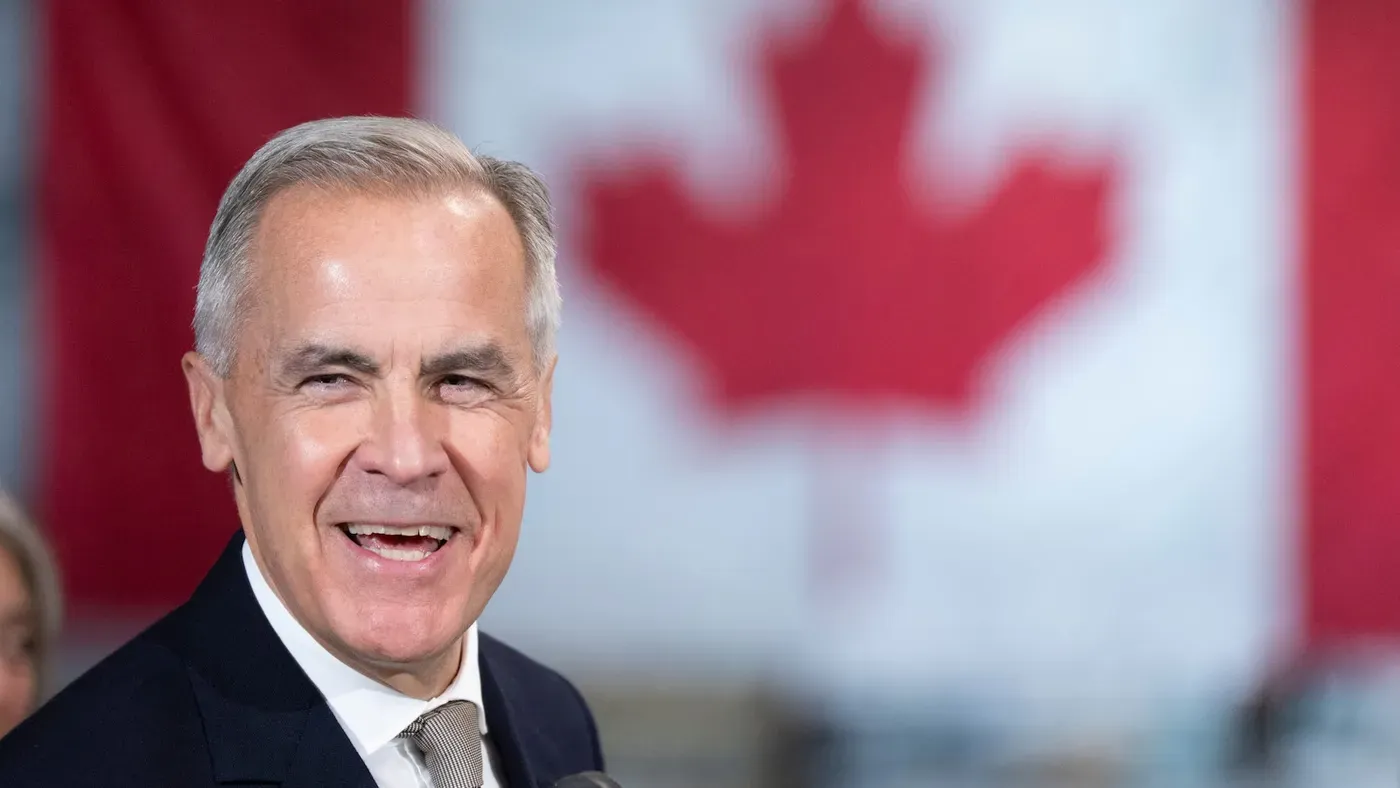
Canadian Prime Minister Mark Carney made a final plea to voters in Alberta on Monday, warning them not to pursue independence from Canada due to external threats and the province's valuable oil reserves.
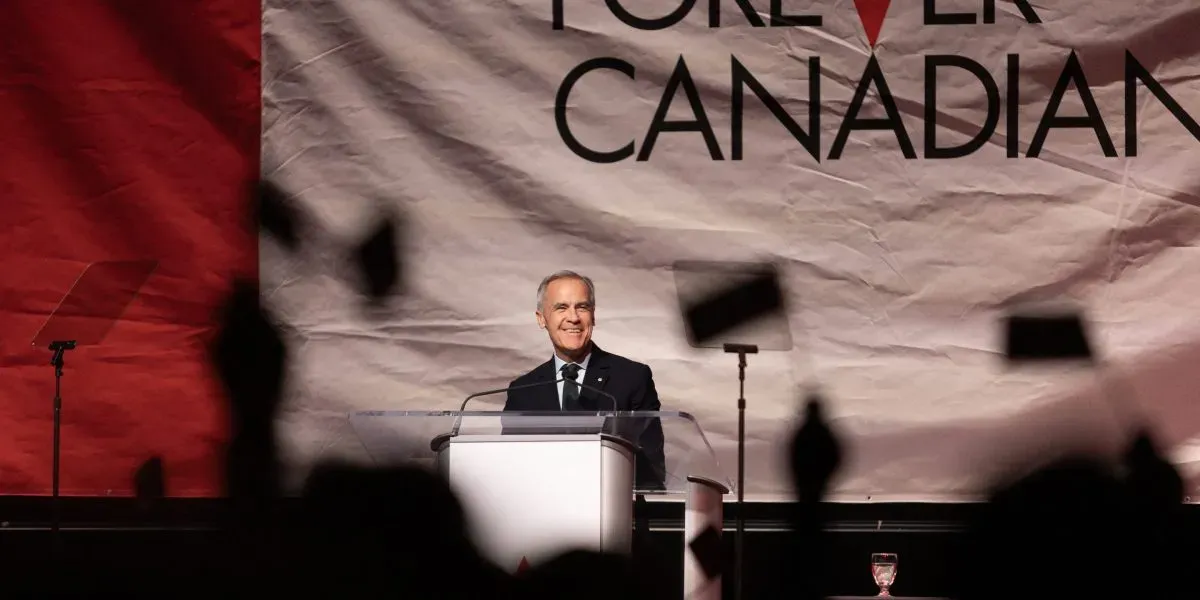
Mark Carney has made his final plea to voters in Alberta, urging them not to pursue a path towards independence from Canada in Monday's vote. The Canadian Prime Minister warned that the timing of the referendum is precarious, coming at a time when external threats to Canada's sovereignty are on the rise.
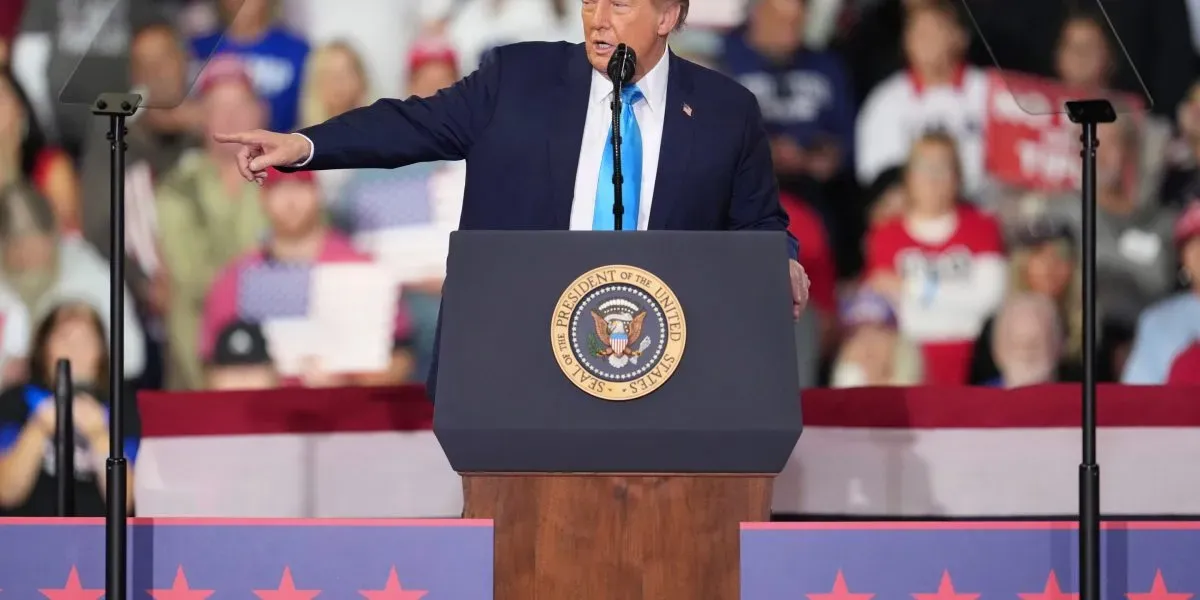
One such threat comes from US President Donald Trump, who has been waging a trade war and even threatened to make Canada the 51st state. Carney emphasized that Albertans should not take their chances lightly, as the outcome of the vote will be heavily influenced by voter turnout. He specifically told a pro-Canada rally in Edmonton that turnout will determine the result.
The referendum is not a straightforward call for independence, but rather a decision on whether to remain a province or initiate the process towards a future separation vote. Alberta's oil reserves are among its most valuable assets, making it one of the wealthiest regions in Canada.
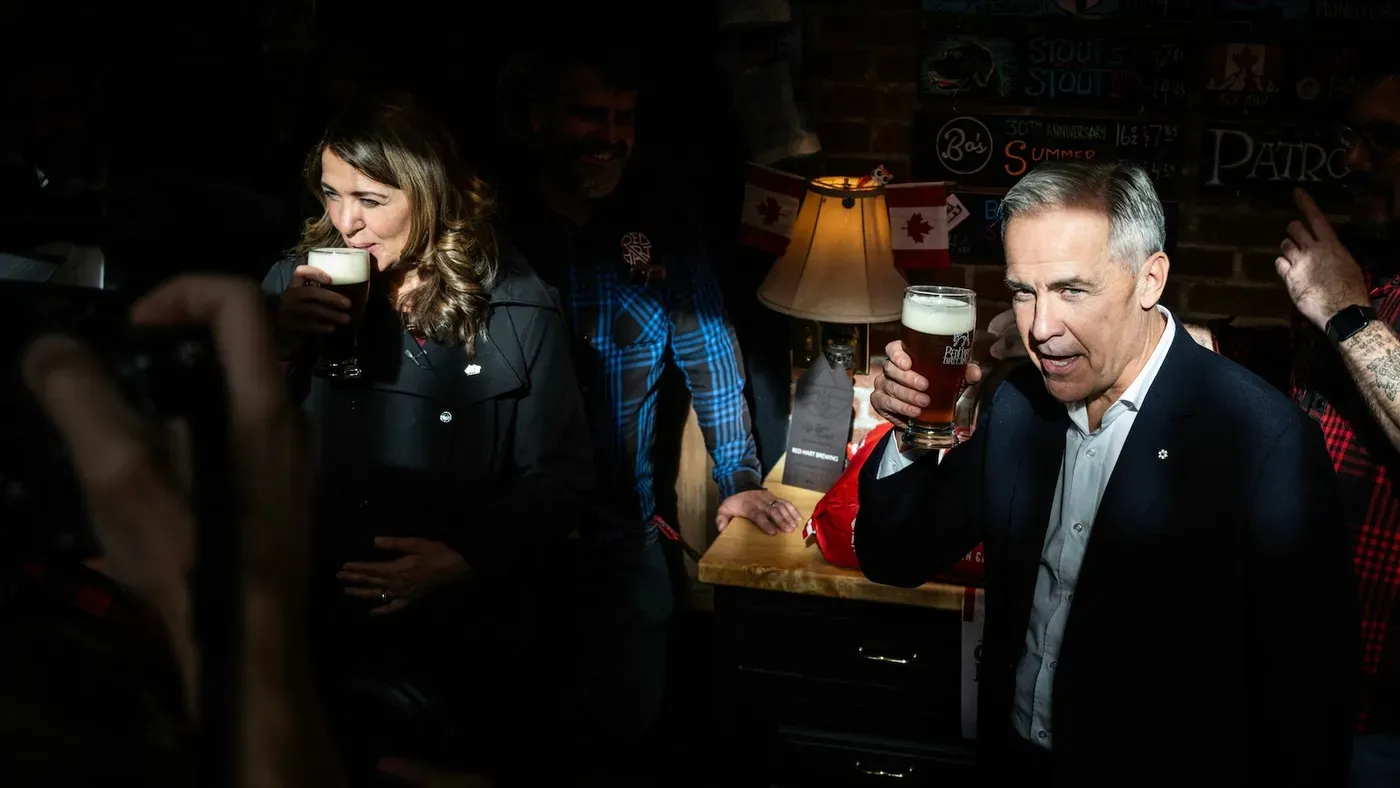
The closing argument by Mark Carney against Alberta's path to independence from Canada concluded after two days of campaigning in the province. The Liberal prime minister's visit to Alberta marked a show of unity with the conservative premier Danielle Smith, who has been advocating for separation.
Premier Smith praised Carney for his efforts in improving relations between Ottawa and Edmonton, which had previously been strained due to disagreements over energy policies and carbon taxes. This change in dynamics is seen as a significant development, one that has occurred within the past 18 months, according to Smith.
Carney's personal connection to Alberta also played a role in his appeal. As someone who grew up in the province, he remains an Edmonton Oilers fan and used this familiarity to make a strong case against separation. His message resonated with the crowd, which erupted in applause when he spoke about reducing Canada's economic dependence on the United States.
Carney's warnings against external forces seeking to exploit Alberta's resources were particularly poignant, given the province's longstanding resentment towards federal energy policies. He reminded his audience that these policies have historically made Albertans feel like their resources do not belong to them.
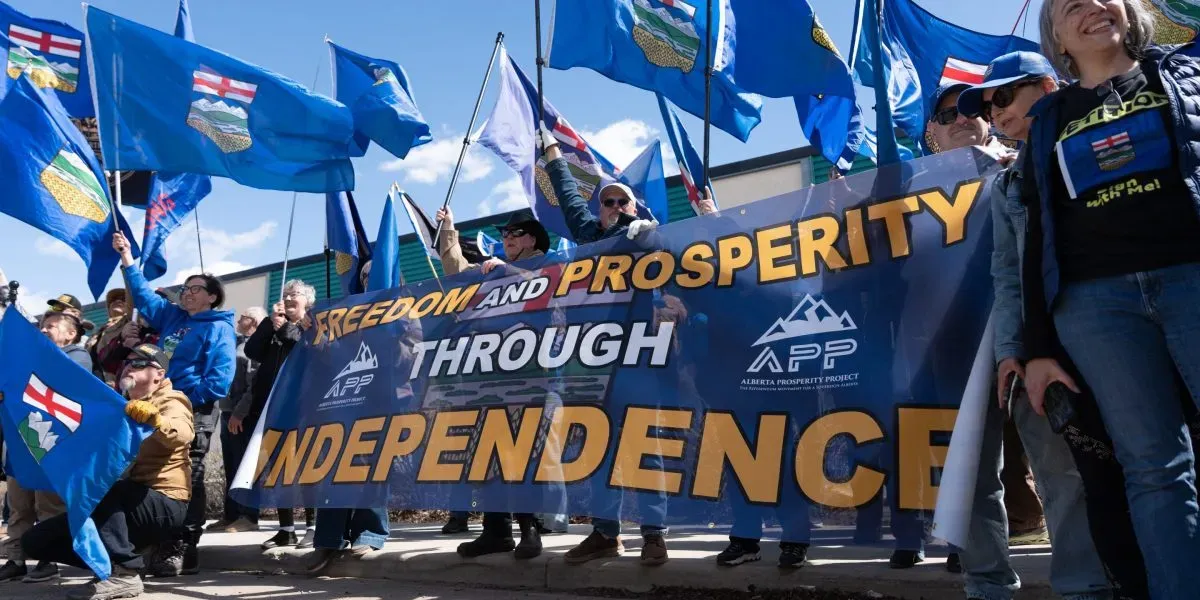
The crowd gathered outside the Edmonton rally venue was met with a stark contrast of views on Alberta's potential independence from Canada. While some waved flags and held signs supporting separation, others like Deb Lee expressed frustration at the prospect of a referendum.
Lee, a retired Calgary resident, had already cast her vote in advance to remain part of Canada. She believes that calling a referendum is a "travesty given the small percentage of Albertans who support independence. This sentiment reflects growing concerns among those who want to maintain Alberta's place within the country.
The debate over independence has also created internal divisions within the United Conservative Party, with some separatists gaining influence due to their opposition to COVID-19 restrictions and conspiracy theories surrounding them. Former Premier Jason Kenney noted that this trend has contributed to the growing momentum of the independence movement within the party.
Alberta's independence debate continues as Mark Carney emphasizes cooperation between the province and federal government. Notably, he has addressed seven of nine contentious federal laws, according to a statement from Deputy Premier Smith. This move is seen as a significant concession by Carney in his efforts to persuade Albertans to remain part of Canada.
Tanya Clemens, an independence advocate, remains unconvinced by the agreements between Carney and Smith. She views their promises as conditional and lacking substance, labeling them pinky promises" that fall short of addressing Alberta's concerns. Meanwhile, federal Conservative leader Pierre Poilievre has also urged Albertans to stay in Canada, emphasizing unity and cooperation.
The agreement on seven of nine contentious laws is a significant development in the debate, but not all issues have been resolved. Carney and Smith still disagree on questions related to immigration and provincial powers, which will be put to voters on Monday's ballot.
Facts based on reporting originally published by Fortune.
You may republish this story, in full or in part, if you credit News Central Site and link to it (licence CC BY 4.0). Photos are not included.