Breakthrough Implant Converts Excess Sugar into Harmless Byproduct
Researchers have developed an implant that converts excess sugar in the blood into a harmless byproduct through a controlled chemical reaction triggered by tiny amounts of electricity.
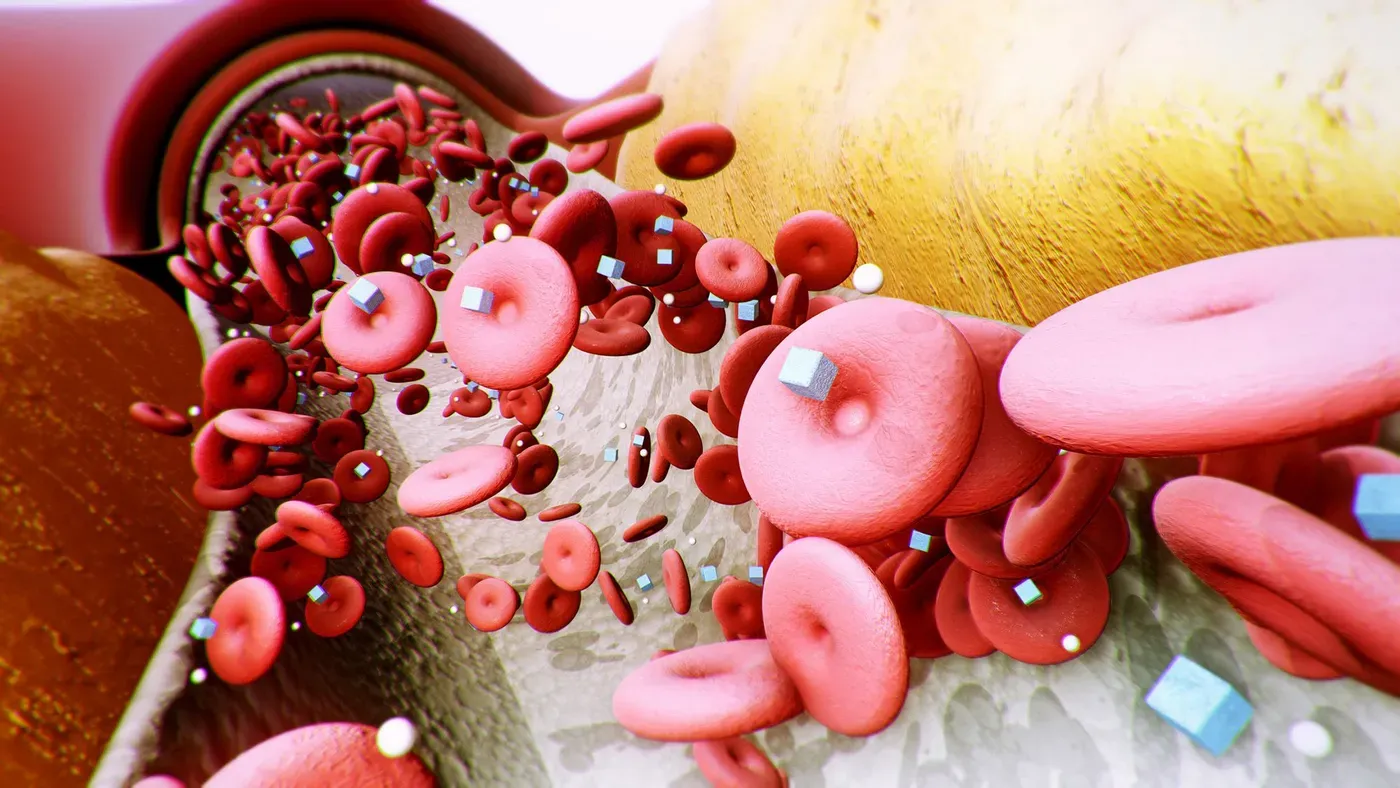
Researchers have made a breakthrough in developing an implant that can convert excess sugar in the blood into something else, potentially offering a new way to treat type 2 diabetes and obesity.
The tiny device works by harnessing electricity to power a chemical reaction that adjusts blood sugar levels according to a patient's needs. It is designed to be used alongside a continuous glucose monitor, which tracks blood sugar levels in real-time.
In laboratory tests on mice, the implant showed promising results, preventing sudden spikes in insulin levels and promoting fat loss. The device has the potential to revolutionize the treatment of diabetes and obesity, two conditions that affect hundreds of millions of people worldwide.
The study's co-author, Martin Fussenegger, a professor at ETH Zurich, is now working on further testing the implant with additional lab animals before moving towards human trials.
About 90% of people living with type 2 diabetes also have obesity or are overweight, making it a complex condition that requires multifaceted treatment approaches.
The body's natural response to excess glucose in the blood is to convert it into fat stores through chemical reactions in the liver, which can lead to further weight gain and exacerbate the condition.
Current treatments for type 2 diabetes and related obesity issues often rely on long-term medications such as metformin, which lowers blood sugar levels, or GLP-1s, which reduce appetite to promote weight loss, alongside lifestyle changes like diet and exercise.
However, scientists are exploring alternative approaches that directly target the glucose in the blood, rather than relying solely on medication or behavioral modifications.
A team of researchers has designed an inch-long implant that can convert excess glucose into a harmless byproduct called gluconate through a controlled chemical reaction triggered by tiny amounts of electricity.
The implant's advanced design allows it to adjust its glucose removal rate in response to changing blood sugar levels. When blood sugar levels are high, the device can increase its activity to remove excess glucose more efficiently. Conversely, when glucose levels return to a normal range, the device reduces its activity to prevent hypoglycemia.
In a recent study, researchers tested this self-regulating capability in mice with diabetes and obesity. The implant was paired with a continuous glucose monitor that tracked blood sugar levels in real-time and sent updates to a phone controlling the device. Over six weeks, the mice with the implant exhibited significantly more stable blood sugar levels compared to untreated mice.
The mice fitted with the implant not only experienced improved blood sugar control but also lost an average of 10% of their body weight during the study period. This weight loss is likely due to the body's shift towards fat burning as a result of consistent glucose maintenance within normal limits. Moreover, the on-off regulation of the glucose-removal reaction prevented hypoglycemia by ensuring that sugar levels never dropped below safe limits.
The researchers acknowledge that while this proof-of-concept study demonstrates promising results in mice, further testing is necessary to confirm the device's effectiveness and safety in humans. Specifically, they need to demonstrate that the chemical reaction can convert sufficient quantities of glucose in a human patient over an extended period without compromising catalytic efficiency or causing adverse effects.
The implant's performance was further tested in a large beaker containing a sugary solution, mimicking the volume of glucose found in human blood. The device successfully controlled sugar levels even when handling larger quantities, equivalent to about 3 gallons or 5 liters, which is roughly the total blood volume in an average person.
This experiment serves as a stepping stone for further research, but it's essential to note that animal and human trials are the next crucial steps before the implant can be considered for practical use. These studies will provide more comprehensive data on the device's efficacy and potential long-term effects.
The researchers emphasize that their implant is not intended to replace established treatments or lifestyle changes for managing diabetes and obesity. It's a complementary tool aimed at helping patients regulate their glucose levels, rather than a standalone solution for these complex conditions.
Ultimately, the team's goal is to provide a more targeted treatment option for type 2 diabetes sufferers, one that can be tailored to individual needs while minimizing potential side effects.
Facts based on reporting originally published by Live Science.
You may republish this story, in full or in part, if you credit News Central Site and link to it (licence CC BY 4.0). Photos are not included.