Breakthrough Achieved in Recycling Silicones
Researchers at TU Berlin have successfully broken down polymer chains of silicone molecules into their basic building blocks using a complex interplay of chemical reaction cycles.
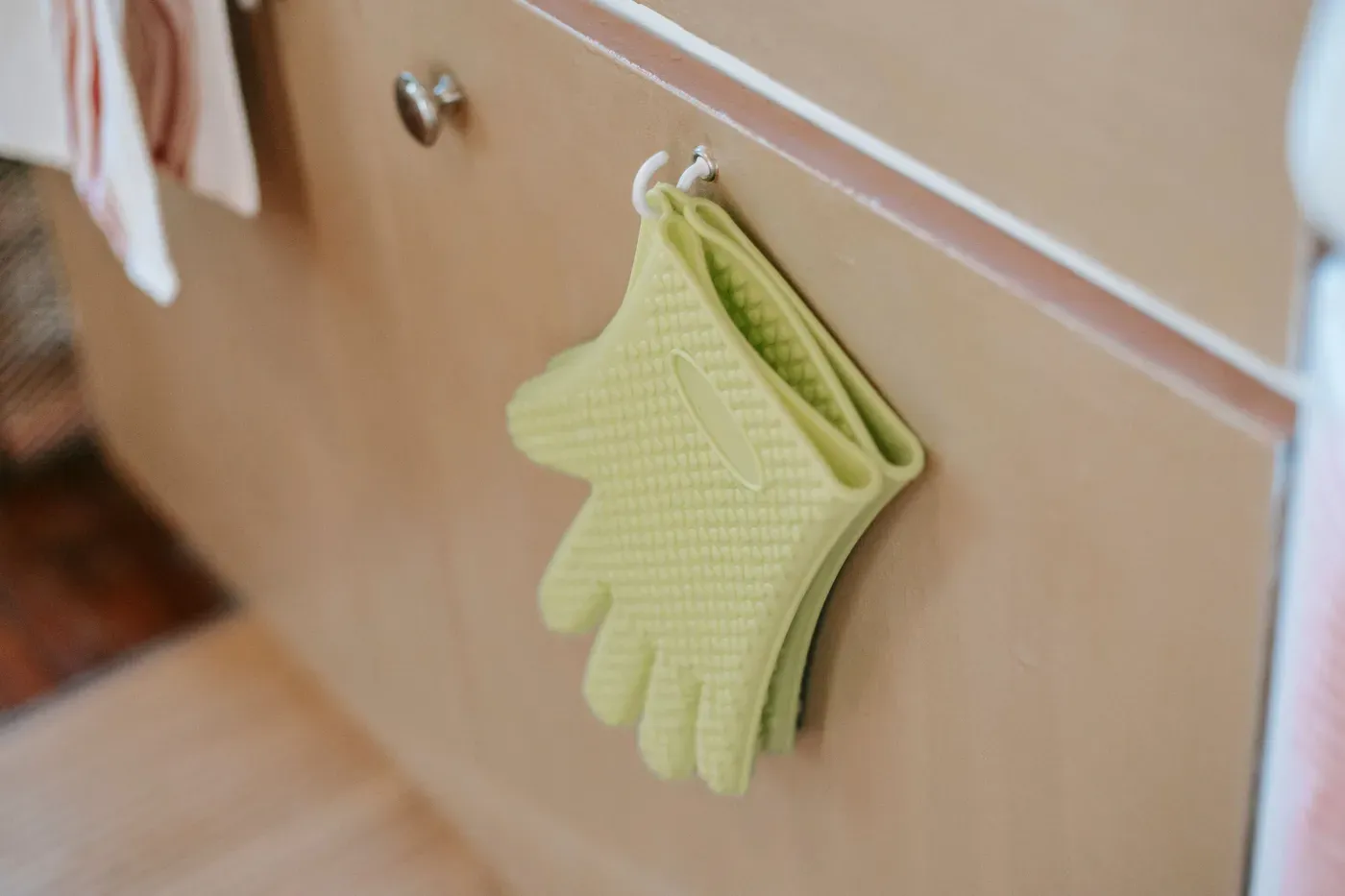
A groundbreaking breakthrough has been achieved by researchers at the Institute of Chemistry at TU Berlin who have successfully broken down polymer chains of silicone molecules into their basic building blocks. This innovative process paves the way for recycling silicones, a notoriously difficult task due to their exceptional thermal and chemical stability.
The resulting molecule, dimethyldichlorosilane, can be reused as a starting material for producing new silicone compounds. The researchers have applied for a patent for this complex interplay of several chemical reaction cycles that makes the process possible.
This achievement has significant implications for green chemistry and the circular economy, with the journal Nature selecting the paper for fast-track online publication. Dr. Martin Oestreich, who led the team, is also a member of the UniSysCat Cluster of Excellence specializing in catalysis at TU Berlin.
The market demand for silicone products is substantial, with a total value exceeding 21 billion euros in 2025 and estimated to reach over 33 billion euros by 2033. Silicones possess unique properties that make them ideal for various applications. They exhibit exceptional mechanical properties while reliably repelling water and allowing oxygen to pass through.
Silicone products are ubiquitous in everyday life, found in items such as baking pans, baby bottle nipples, gaskets, and medical tubing. The versatility of silicones has driven their widespread use across industries including medicine and industry.
The successful testing of the process on various silicone products used in daily life marks a significant milestone for the researchers. With the potential to significantly reduce waste and increase the sustainability of silicone production, this breakthrough is expected to have far-reaching implications.
The recycling process for used silicone has long been a challenge due to its robust properties. As a result, waste silicone has typically ended up in landfills or being incinerated. However, this method of disposal not only wastes valuable resources but also poses environmental and health risks.
One of the main reasons why complete recycling of silicones is now seen as an important objective is the growing evidence that these materials can be harmful to both the environment and human health when they are disposed of in landfills. On the other hand, producing new silicones requires a significant amount of energy, particularly for extracting elemental silicon from quartz sand at extremely high temperatures.
The production process involves extracting elemental silicon from quartz sand at 2,000 degrees Celsius, which is an energy-intensive step. Another crucial component is dimethyldichlorosilane, the basic building block of silicone chemistry. This molecule can be combined to form long chains, with chlorine being replaced by oxygen in a specific reaction.
The resulting polymers have a backbone formed not by carbon atoms but by bonds between silicon and oxygen atoms (Si–O–Si–O–Si). The length of these chains can be adjusted, allowing for the creation of different properties. Various molecules can also be attached to the sides of the chains to further customize the characteristics of the resulting silicones.
The specific chemistry involved in forming these polymers is distinct from carbon-based chemistry due to the unique bonding between silicon and oxygen atoms. This characteristic allows for a range of possibilities in designing new silicone materials with tailored properties.
Breaking down silicone waste into reusable building blocks is a crucial step in creating an ideal recycling process.
The researchers have found that to produce new silicones with different properties from end-of-life silicones, the base molecule dimethyldichlorosilane must be the end product of the recycling process. This requires completely breaking down the Si–O–Si chains in the silicones, which is a challenging task due to the stability of silicone materials.
A key breakthrough has been achieved through the use of two molecules: a silylium ion as a catalyst and the gas phosgene. The silylium ion facilitates the removal of a chloride ion from phosgene, resulting in the formation of a compound called COCl⁺.
This molecule is capable of breaking silicon-oxygen bonds, which are notoriously difficult to break. By doing so, it allows for the release of oxygen as carbon dioxide (CO₂), rendering it unavailable for further reactions and making it easier to manage waste.
The immediate release of oxygen as carbon dioxide is a significant advantage of this process, enabling more efficient management of the recycling process and minimizing potential environmental impacts.
The reaction to break down silicone waste into reusable building blocks involves a toxic gas called phosgene, but researchers have found a way to manage it by using its solid counterpart, triphosgene.
Triphosgene releases phosgene during the reaction cycle, and this process is catalyzed by the silylium ion, which plays a dual role in facilitating the conversion.
Phosgene's widespread use in the chemical industry has not gone unnoticed, as key starting materials for polyurethanes are produced using it. However, researchers are already working on finding alternatives to phosgene and developing processes to remove even the smallest traces of it from dimethyldichlorosilane recovered during recycling.
The reaction conditions are relatively moderate at 80 degrees Celsius, requiring minimal energy input. This efficient process has been tested on various silicone products, including cupcake pans, baby bottle nipples, and lids.
For some products, the yield of recovered dimethyldichlorosilane after 24 hours was a promising 99%, while others yielded an average recovery rate of 86% when mixed with different used silicone products.
Researchers have successfully transformed waste silicone products into reusable building blocks through a chemical recycling process. This innovative method involves deoxygenative chlorination, which breaks down the complex molecules in silicones and allows for their reassembly.
The recovery rates of this process varied, but some products achieved a 99% yield after just 24 hours, while others averaged an 86% recovery rate when mixed with different used silicone materials.
Facts based on reporting originally published by Phys.org.
You may republish this story, in full or in part, if you credit News Central Site and link to it (licence CC BY 4.0). Photos are not included.