Brazil Presidential Election Could Have Far-Reaching Implications for Environment
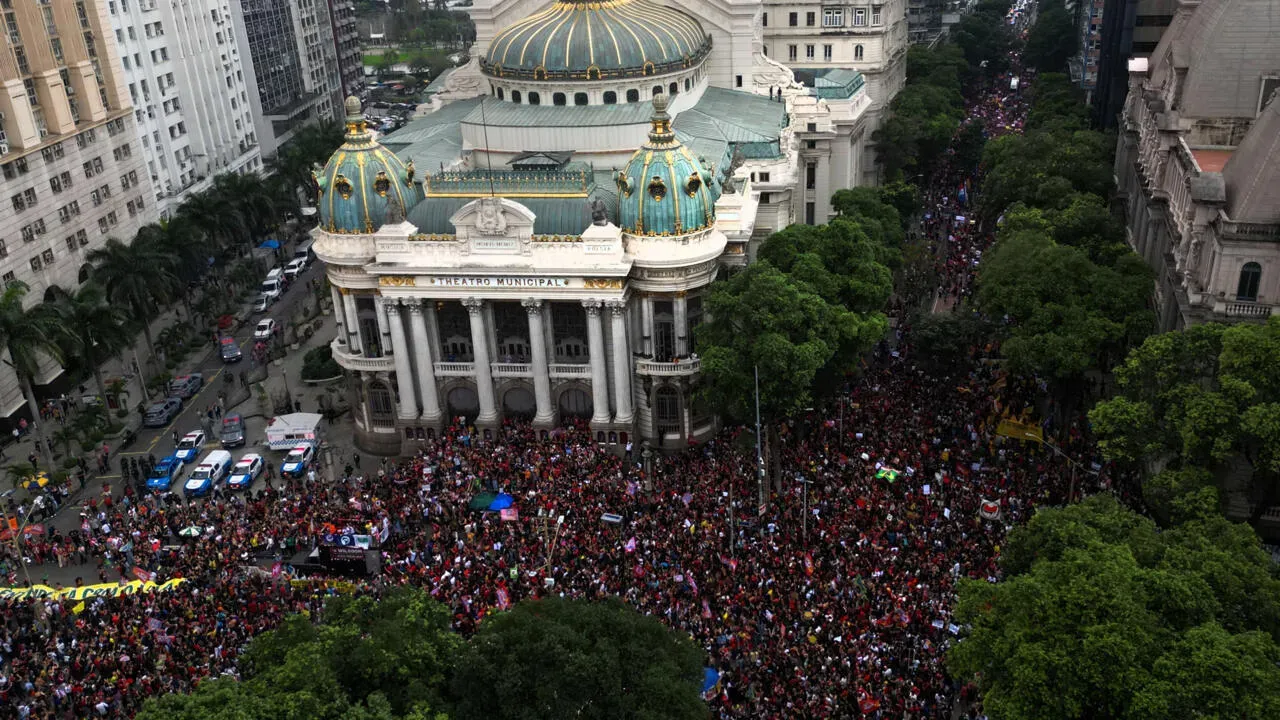
The outcome of Brazil's presidential election could have significant effects on the country's environment, particularly regarding the Amazon rainforest.
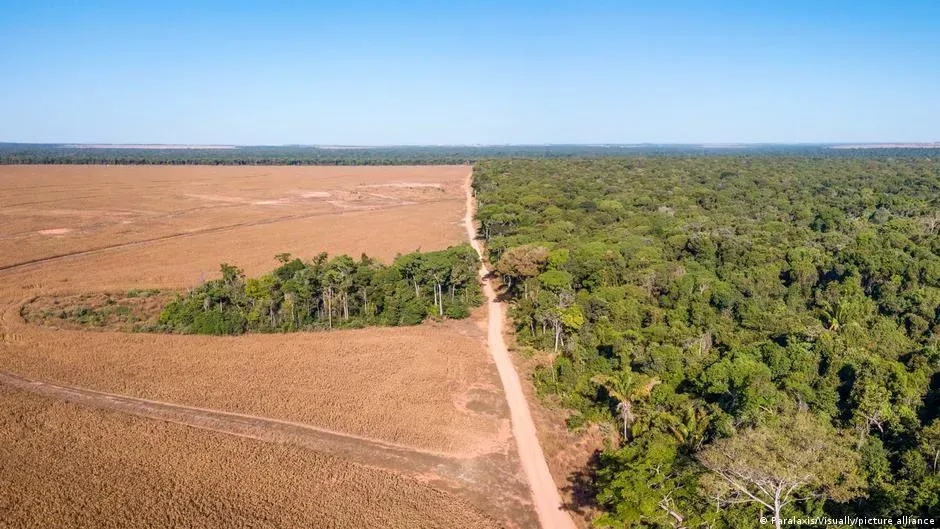
Brazil's presidential election has taken on a global significance as it could have far-reaching implications for the environment. The country is home to the largest portion of the Amazon rainforest, which serves as a vital carbon sink that plays a crucial role in regulating the Earth's climate.
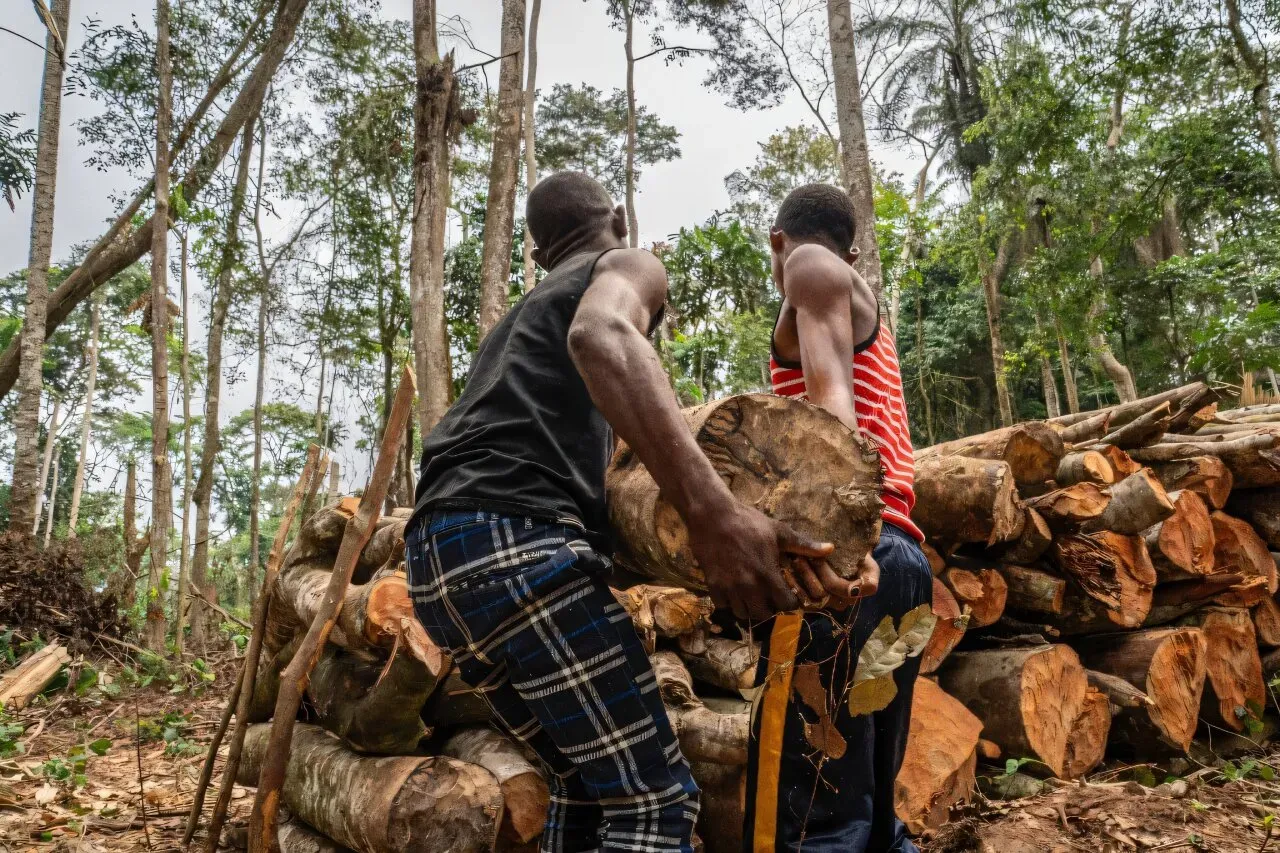
The Amazon rainforest holds enormous amounts of carbon dioxide released into the atmosphere due to fossil fuel burning and helps mitigate the effects of climate change. However, it has faced widespread deforestation over the years, with the situation becoming even more dire during Jair Bolsonaro's presidency from 2019 until 2023.
Environmental protection agencies were significantly weakened under Bolsonaro's rule, leading to a sharp increase in forest clearance. The consequences of this have been alarming, with many experts warning that the Amazon is approaching a tipping point beyond which it may not be able to recover.
Flávio Bolsonaro, son of Jair Bolsonaro, has emerged as a strong contender in the current election, sparking concerns among environmentalists who fear his presidency could lead to further devastation.
"It's going to be a second coming of Bolsonaro, therefore a more radical Bolsonaro," warned Claudio Angelo, international policy coordinator at Climate Observatory, highlighting the gravity of the situation.
The Brazilian government's environmental record has been a major concern during Jair Bolsonaro's tenure, and his successor Flávio Bolsonaro is expected to continue this trend.
Under Bolsonaro's four-year term, an estimated 45,586 square kilometers of the Amazon rainforest was destroyed, an area roughly the size of Denmark. This alarming rate of deforestation has raised concerns about the long-term health of the forest ecosystem.
However, Lula's government took a different approach to addressing environmental issues in Brazil. When he took office, he pledged to protect the Amazon and its inhabitants by calling for an end to deforestation by 2030.
Lula also increased monitoring of the forest and strengthened Brazil's environmental enforcement agency IBAMA, leading to a significant decrease in deforestation. In fact, 2026 is on track to be the lowest level of deforestation in over a decade, representing a 41% drop compared to Bolsonaro's tenure.
Experts have expressed concerns that Flávio Bolsonaro's record on forest protection will be similar to his father's, particularly given his involvement with draft legislation that could allow landowners to use their properties as they please.
Brazil's upcoming elections have far-reaching implications for the environment, particularly when it comes to forest protection.
The country's current president has implemented measures to reduce deforestation, but environmental experts warn that these efforts may be reversed if Bolsonaro wins the election.
Critics argue that Bolsonaro's pledge to end illegal deforestation by 2029 is misleading, as he plans to achieve this goal through legislative changes rather than enforcing existing laws.
This approach has raised concerns among experts who fear that it could lead to a significant increase in deforestation, and undermine Brazil's efforts to reduce greenhouse gas emissions.
The country's stance on climate change has become increasingly politicized, with some politicians portraying it as an issue that hinders economic growth rather than a pressing global concern.
Brazil is likely to abandon its position as a climate leader if Bolsonaro wins the election, following his comments on extreme weather events being cyclical and not solely linked to human influence.
However, even if Lula emerges victorious, experts caution that it may not be a straightforward victory for the environment, given the current administration's plans to expand oil production.
The expansion of oil production is seen as contradictory to Brazil's efforts to reduce deforestation and greenhouse gas emissions, raising questions about the country's commitment to environmental protection.
The decision to allow exploratory drilling in the Amazon rainforest has sparked criticism from environmentalists who see it as contradictory to Brazil's efforts to reduce deforestation and greenhouse gas emissions.
Critics argue that this move undermines President Lula's commitment to climate action, despite his overall record on the issue being seen as impressive. The expansion of oil production is a contentious issue in Brazil, with many questioning whether it aligns with the country's environmental goals.
The upcoming runoff election between President Lula and Bolsonaro on October 25 has raised concerns about the fate of the Amazon and global efforts to curb climate change. However, for many Brazilians, access to basic services like education, sanitation, and healthcare takes precedence over environmental concerns.
Ultimately, voters may prioritize development projects that benefit their communities, even if they come at the cost of some environmental degradation.
Facts based on reporting originally published by DW English.
You may republish this story, in full or in part, if you credit News Central Site and link to it (licence CC BY 4.0). Photos are not included.