Deforestation Rates Slowed Down Last Year but Trend May Not Continue
A new study warns that deforestation rates may not continue to decline due to deteriorating forest conditions and an intensifying El Niño weather pattern.
Global deforestation rates slowed down last year, but a new study warns that this trend may not continue due to deteriorating forest conditions in Central Africa and an intensifying El Niño weather pattern.
According to the annual Forest Declaration Assessment, 7 million hectares of forest were permanently destroyed in 2025. This is roughly equivalent to the size of the Republic of Ireland and represents a 15% decrease from the previous year's deforestation rate.
The reduction in deforestation is considered encouraging, but experts caution that it may be an exception rather than a new trajectory. To meet the goal of ending deforestation by 2030, agreed upon at the COP26 climate talks in 2021, the world would need to see a much more significant decline in forest destruction.
The report was compiled by a coalition of research groups and nongovernmental organizations, including Climate Focus, which is led by co-author Erin Matson.
The report highlights that forest clearance for agricultural or mining activities remains the primary cause of deforestation worldwide.
One region where progress was made is Latin America, where a 33% decline in deforestation occurred last year, marking a significant improvement in what has traditionally been considered the world's most affected area. This drop is attributed to Brazil's efforts to combat deforestation through its action plan and increased enforcement in the Amazon.
The stability of this progress relies heavily on the decisions made by governments in the region, which are susceptible to changes brought about by elections. A notable example is the upcoming runoff presidential election in Brazil between left-wing leader Luiz Inacio Lula da Silva, who has pledged to eliminate illegal deforestation by 2030, and right-wing populist Sen. Flavio Bolsonaro.
Brazil's history of deforestation under previous administrations serves as a cautionary tale, particularly that of far-right former President Jair Bolsonaro. Similar concerns exist in neighboring countries Colombia and Peru, where hard-right presidents have recently taken office, potentially threatening the progress made so far in the region.
The devastating impact of deforestation on local communities is a pressing concern for experts like Sam Nguiffo, a lawyer and founder of the Centre for Environment and Development in Cameroon.
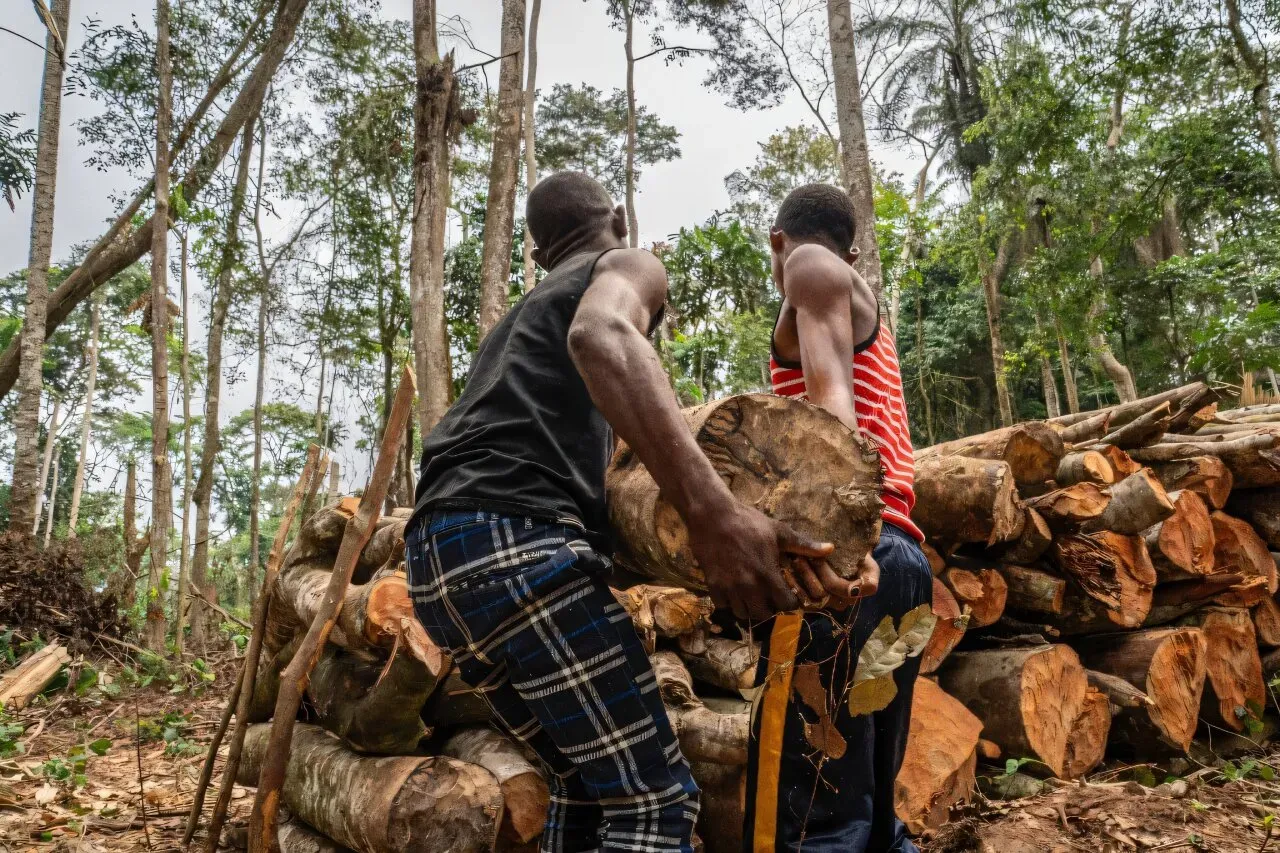
According to Nguiffo, logging for timber or felling trees for agriculture or mining dominates forest management practices in Central Africa. This approach has severe consequences for both the environment and local populations.
The loss of forests not only erodes cultural identity but also severely impacts the livelihoods of indigenous communities that rely on these ecosystems for their survival. As Nguiffo pointed out, deforestation leads to reduced space for communities and fuels conflicts over resources.
The current El Niño event, which emerged in June, is expected to peak later this year and poses a significant threat to progress made in reducing deforestation rates. This warming phase of the natural climate cycle includes droughts that create conditions ripe for wildfires.
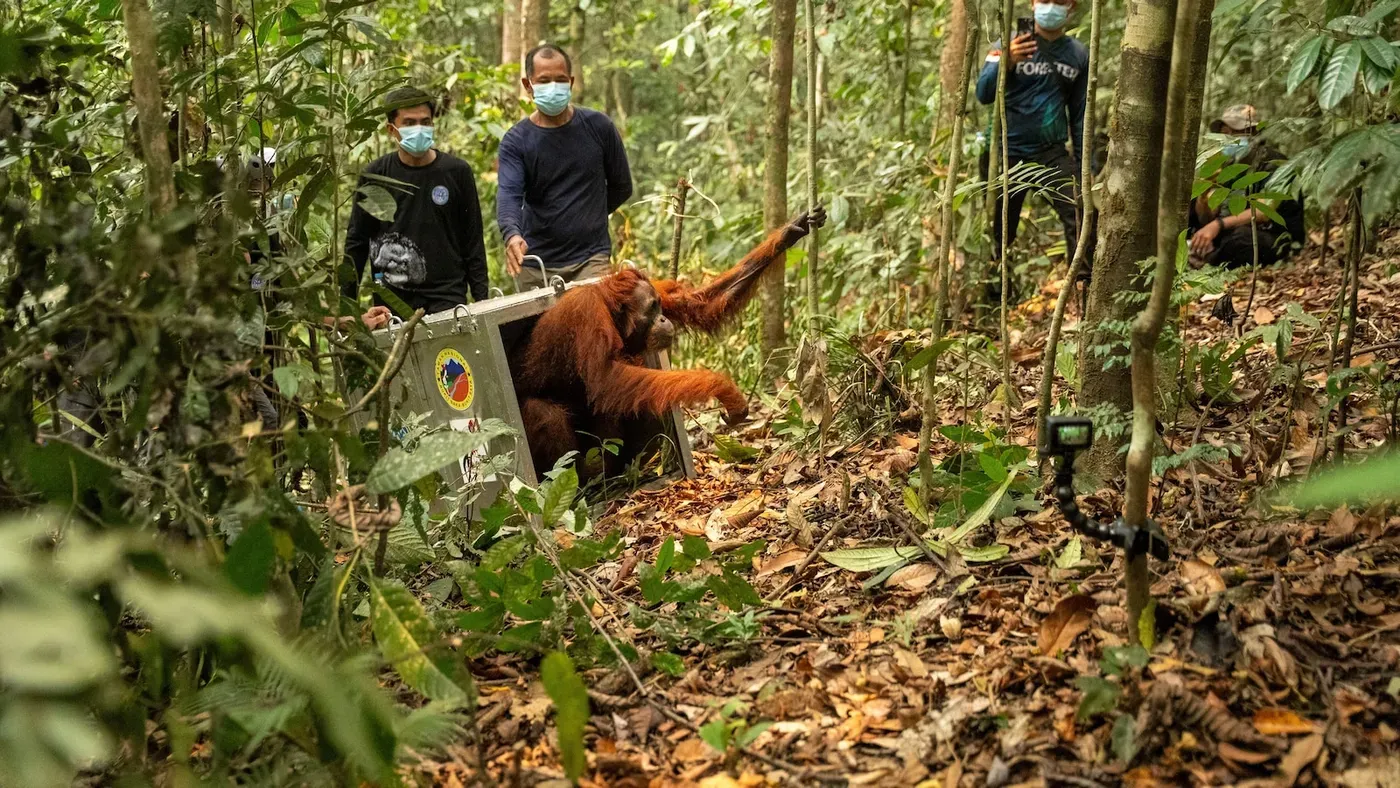
The ongoing El Niño event has been linked to severe droughts in Indonesia, where widespread forest fires have ravaged the biodiverse regions of Borneo and South Sumatra for months.
According to a recent deforestation report, if projections of the 2026-27 El Niño hold true, drought and fire risks will escalate further across tropical forest areas. This is a concerning prospect, especially considering past events like the "super" El Niño in 2015-2016, which saw a significant spike in tree cover loss.
The report's findings suggest that deforestation rates may not continue to decline as they did last year, casting a shadow over efforts to preserve global forests.
Facts based on reporting originally published by Phys.org.
You may republish this story, in full or in part, if you credit News Central Site and link to it (licence CC BY 4.0). Photos are not included.