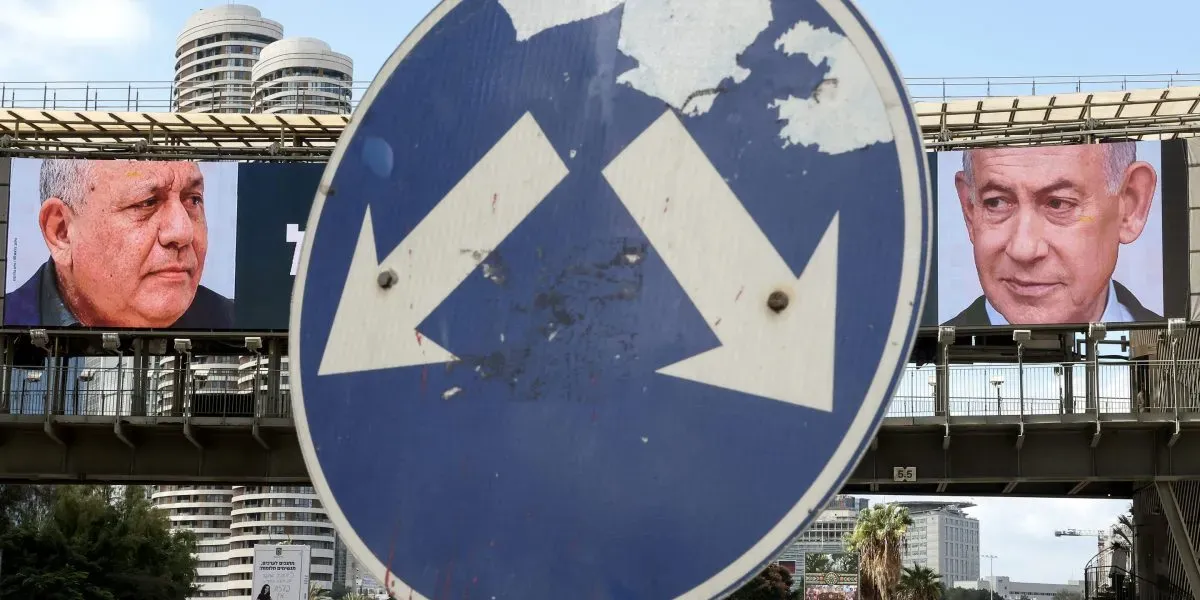
Benjamin Netanyahu Faces Election Setback in Israel
The opposition is poised to potentially gain a majority in parliament if they form an alliance with Arab-led parties, marking a significant shift in Israeli politics.
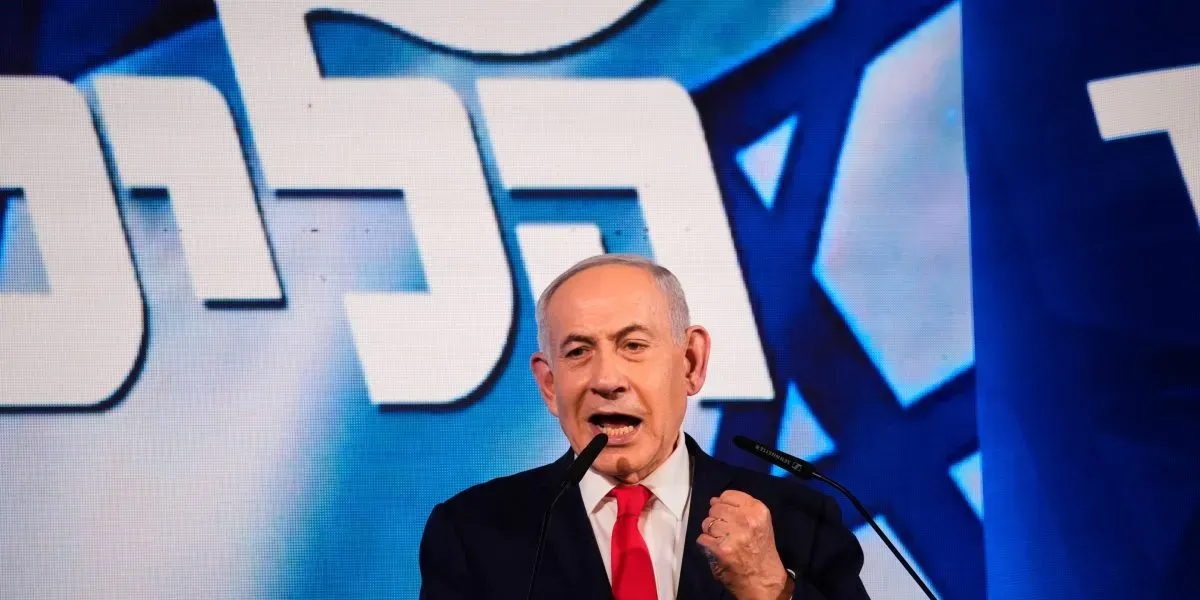
Israel's Prime Minister Benjamin Netanyahu is facing a significant setback in the country's recent elections. His party, Likud, has made unsubstantiated claims that Arab-led parties stole the election, potentially with foreign assistance, after losing its majority in parliament.
The opposition has accused Netanyahu of trying to delegitimize the election by demonizing the Arab population, which has been gaining political influence in Israel. If other opposition parties were to form an alliance with Arab-led parties, they could potentially gain a majority in parliament, marking a significant shift in Israeli politics.
According to the latest results from election officials, Netanyahu's bloc secured 53 seats out of 120 in the Knesset, while his main opposition won 48. Arab-led parties made a historic showing by securing the remaining 19 seats. This outcome has raised concerns about the future of Netanyahu's leadership and the balance of power in Israel.
The final count is complete, but the results still need to be certified and submitted to the country's president next Wednesday. In the meantime, Netanyahu's party continues to spread claims of malfeasance by Arab-led parties, with some accusations even suggesting foreign interference.
The Israeli election commission has announced that it will investigate allegations of foreign interference in the recent elections. The investigation is based on classified intelligence and was revealed as the commission released its preliminary results earlier this week.
Netanyahu's party has responded to the news by leveling accusations at Arab-led parties, with some claims even suggesting that foreign powers are behind the alleged malfeasance. In a statement, Netanyahu's party claimed that the elections had been "stolen, although it provided no evidence to support this claim.
The allegations of foreign interference have also targeted Qatar, which has been accused by members of Netanyahu's party of seeking to influence the election outcome. However, Qatar has denied these claims as ridiculous and dangerous.
Netanyahu's claims of malfeasance by Arab-led parties have taken a new turn as he attempts to shift attention from his own party's alleged ties to Qatar. This move is seen as an attempt to discredit potential alliances between his opponents and the Arab parties.
Critics argue that Netanyahu's accusations are an attempt to further marginalize Arab citizens, who make up 20% of Israel's population but are often viewed with suspicion due to their sympathies with other Palestinians. The Likud party has been accused of using such tactics in the past to undermine support for Arab-led parties.
The Shin Bet investigation into alleged foreign interference in the election is ongoing, with the agency seeking to calm tensions by stating that its probe was not intended to cast aspersions on any particular group of voters. This assertion comes amidst growing concerns over Netanyahu's attempts to delegitimize the results of the election.
In a letter to a concerned member of parliament, the elections committee emphasized that allegations of widespread electoral integrity issues are unfounded and baseless. The committee has requested findings from the Shin Bet within a week, as it continues its investigation into the matter.
The investigation into election interference has taken center stage in Israel's post-election landscape. Tensions are running high as allegations of malfeasance swirl around Arab-led parties, which have been accused by Netanyahu's party of attempting to steal the election.
Campaign attacks against Arab-led parties, coupled with widespread discontent over Netanyahu and his far-right government, have fueled unprecedented voter turnout among Arabs in recent elections. The head of the Democrats party, Yair Golan, has claimed that Netanyahu is trying to undermine the election results through a smear campaign targeting the Arab public.
The Joint List party has echoed these sentiments, stating bluntly that Netanyahu is working to steal the election. In response, Mansour Abbas, leader of the Ra'am party, has welcomed the investigation into election interference and denied any involvement in the case. Instead, he has accused Netanyahu's government of a campaign of incitement.
President Isaac Herzog has weighed in on the controversy, describing it as a sensitive moment" that requires a full investigation to ensure no community is unfairly targeted or tarnished for exercising its democratic rights.
The Israeli election continues to unfold with Prime Minister Benjamin Netanyahu remaining at the helm despite his party's claims of electoral malfeasance by Arab-led parties.
Critics warn that if Netanyahu loses office, he will face accountability for yearslong corruption allegations and an inquiry into the security failures leading up to the devastating Hamas-led attack on October 7, 2023. This would be a significant setback for him as he has sought to avoid such consequences at all costs.
Arab-led parties could assert their growing power in the next parliament by supporting other Netanyahu opponents, potentially allowing them to elect a new speaker and control the legislative agenda before a new government is formed.
Eisenkot has expressed openness to joining forces with Arab-led parties under certain conditions. Meanwhile, Ahmad Tibi of the Joint List revealed that the opposition bloc had reached out to him about replacing the Knesset speaker, and his party would support their candidate.
Small rallies have taken place in Tel Aviv and Jerusalem in support of a coalition including Arab-led parties, marking a significant shift from the past when no Arab party had joined a coalition government until 2021.
If a new government cannot be formed after multiple attempts, Israel's election process may lead to another vote early next year. This scenario has become increasingly likely as efforts to establish a coalition continue to falter.
New elections would raise further questions about voter turnout, particularly among Arab citizens who made up a significant portion of those who cast their ballots in the previous poll.
Facts based on reporting originally published by Fortune.
You may republish this story, in full or in part, if you credit News Central Site and link to it (licence CC BY 4.0). Photos are not included.