Xbox Consoles See Price Increase Amid RAMaggedon Crisis
The Xbox Series X and S have seen a price hike due to rising component costs.
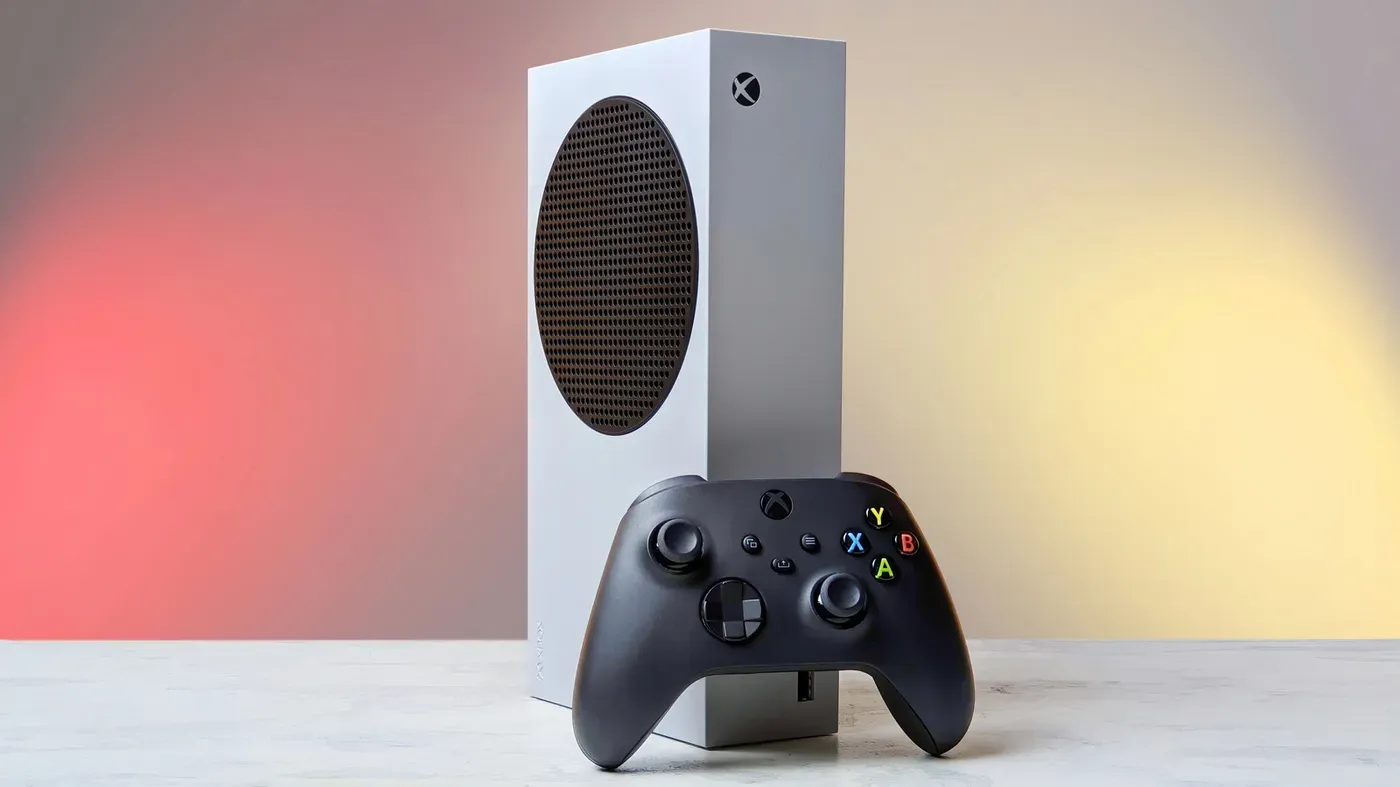
The latest Xbox consoles have seen an unusual trend in pricing, bucking the conventional cycle where prices tend to decrease as a console ages. Instead, both the Xbox Series X and S have witnessed a price increase in recent months.
This phenomenon is not unique to Microsoft's offerings, as other gaming systems like the PlayStation 5 and Nintendo Switch 2 have also faced similar hikes due to the ongoing RAMaggedon crisis driving up component prices.
The Xbox Series S remains relatively affordable, starting at $500, which is significantly lower than its counterpart, the Series X, with its cheapest model priced at $750. This puts the Series S on par with the Nintendo Switch 2 in terms of being one of the most budget-friendly modern consoles available.
One key difference between the two Xbox models lies in their hardware configuration. The Series S has opted for a digital-only design, eliminating the need for a disc drive, which is one factor contributing to its lower price point.
In comparison, the Series X features similar hardware to its more affordable counterpart but retains the ability to play physical discs. Although there is a Series X model without a disc drive that reduces its price by $50, this alone does not account for the substantial difference in pricing between the two consoles.
The implications of these design choices and their impact on the console's pricing strategy are set to be explored further as we delve into the details behind the Xbox Series S's more affordable nature.
The Xbox Series S's reduced storage capacity is another factor that contributes to its lower price point compared to the Series X. The base model of the Series S comes with 512GB of storage, while a higher-end version is available with 1TB for an additional $100. In contrast, the Series X starts at 1TB and was previously also offered in a 2TB variant before it was discontinued.
The processing power of the two consoles also differs significantly. The Series X boasts a substantial lead over the Series S, with 12 teraflops of processing power compared to just 4 teraflops for the more affordable console. This disparity is reflected in the consoles' resolution targets, with the Series X aiming for 4K and the Series S capped at 1440p.
The technical specifications of both consoles reveal further differences between them. Both use a custom AMD Zen 2 CPU, but the Series X's CPU is clocked higher to provide an edge in speed. Additionally, while both consoles utilize an AMD RDNA 2 GPU, the Series X features 52 CUs compared to just 20 for the Series S.
The amount of RAM available on each console also varies. The Series X comes with 16GB of RAM, with 10GB capable of operating at a speed of 560 GB per second and 6GB able to reach 336 GB/s. In comparison, the Series S has 10GB of RAM, but only 8GB can operate at 224 GB/s while 2GB runs at 56 GB/s.
The Series X's more advanced hardware contributes to its higher price point, making the Series S a more budget-friendly option for gamers who still want to experience high-quality performance.
The Xbox Series S offers a more compact design compared to its larger counterpart, the Series X. This is due in part to the fact that it lacks a disc drive, which not only saves space but also contributes to its lower price point.
While the omission of a disc drive may not be an issue for gamers who rely on digital copies or subscription services like Game Pass, those who prefer to own physical games may find this limitation restrictive. For these individuals, the Series X's inclusion of a disc drive is a major advantage.
In terms of size, the Series S is approximately 60 percent smaller than the Series X, making it easier to integrate into entertainment centers or other living spaces. This compact design is an attractive feature for those with limited space or who prioritize a clutter-free setup.
The performance and resolution capabilities of the two consoles also differ significantly. While the Series S can still deliver impressive frame rates in compatible titles, reaching up to 120 fps, it may not be able to match the Series X's native 4K resolution.
Microsoft's upcoming Project Helix family of devices may offer a more compelling option for those who want cutting-edge gaming technology. These devices are set to arrive in 2027, but even then, it might take another year or so before they hit the market.
The delay is due in part because Microsoft plans to start sending alpha hardware to developers in 2027, allowing them to test and refine the new technology before its release.
Facts based on reporting originally published by Engadget.
You may republish this story, in full or in part, if you credit News Central Site and link to it (licence CC BY 4.0). Photos are not included.