US Military Strikes Against Iran Heighten Oil Price Concerns
A recent escalation in military actions between the US and Iran is expected to have significant economic consequences for American households.
The recent escalation of military actions between the US and Iran has significant financial implications for American households.
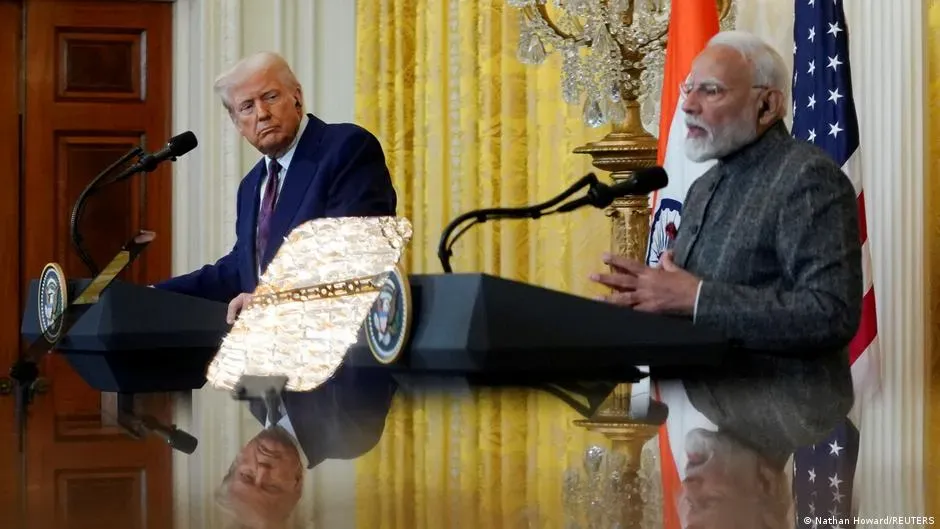
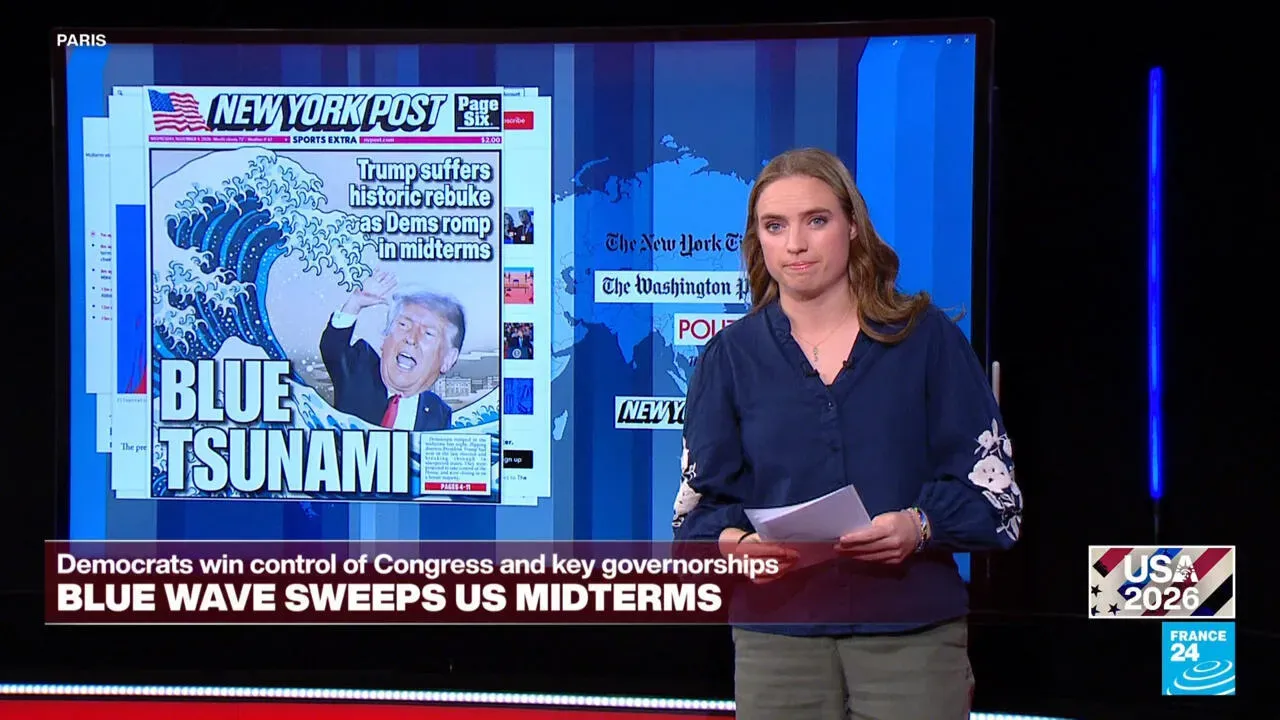
On October 8, President Donald Trump made a public statement on social media that the US would not engage in any attacks against Iran before the midterm elections scheduled for November 3rd. However, just one day before the election, US forces launched a strike on Qeshm Island in Iran.
According to officials speaking to CNN, the Qeshm attack was a defensive response to Iranian surface-to-air missile strikes targeting US assets. In an interview with Fox News that aired on the same night, Trump downplayed any recent conflict between the two countries.
The Qeshm strike is part of a series of limited "defensive strikes carried out by the US in recent weeks, which have not been publicly disclosed to avoid signaling a return to full-scale combat operations. This strategy has allowed the US to maintain a low profile while still engaging in military action against Iran.
The ongoing conflict is taking place at a critical time for global energy markets, which had previously anticipated a diplomatic resolution to the crisis. As the US enters its heating season, any disruption to oil supplies could have significant economic consequences.
Economist Gilbert Metcalf warns that continued strikes against Iran will heighten the risk of Iranian retaliatory attacks on shipping in the Strait of Hormuz or against regional oil and gas infrastructure.
The ongoing conflict in the Middle East continues to have far-reaching consequences for global markets, with oil prices expected to remain high due to the persistent risk of retaliation and military activity in the region.
Increased tensions between Iran and its adversaries are heightening concerns about the stability of oil supplies, particularly as winter approaches and demand for heating fuels is expected to rise. This scenario could lead to persistently high oil prices, which would have significant economic implications for households worldwide.
The conflict began on February 28 with US and Israeli strikes against Iranian targets, triggering a regional war that has seen Iran retaliate against various countries in the Middle East, including Saudi Arabia. The retaliatory attacks have targeted commercial shipping, aiming to assert control over the strategic Strait of Hormuz.
A ceasefire agreement was reached in April, but it collapsed within weeks, and a memorandum of understanding signed on June 17 also ultimately failed to hold. By September, the conflict had escalated into a war of attrition, with both sides suffering significant losses.
The financial burden of the conflict is mounting, with the US military having spent over $47 billion on the war as of October 27, according to Pentagon data cited by Reuters. This figure exceeds earlier estimates and represents a substantial increase from the $37.5 billion Defense Secretary estimated in July, with more than $29 billion allocated for replacing expended munitions.
The economic toll of the ongoing conflict is being felt by U.S. households, who are shouldering a significant burden due to increased energy costs. According to estimates from Mark Zandi, chief economist at Moody's Analytics, the average household has been hit with nearly $2,000 in expenses as a result of the war.
A substantial portion of this cost comes from higher energy and transportation prices, amounting to around $1,100 per household, while interest rates and military spending account for the remainder. Nationwide, these increased expenses add up to an estimated $265 billion, as Zandi pointed out on X in late October.
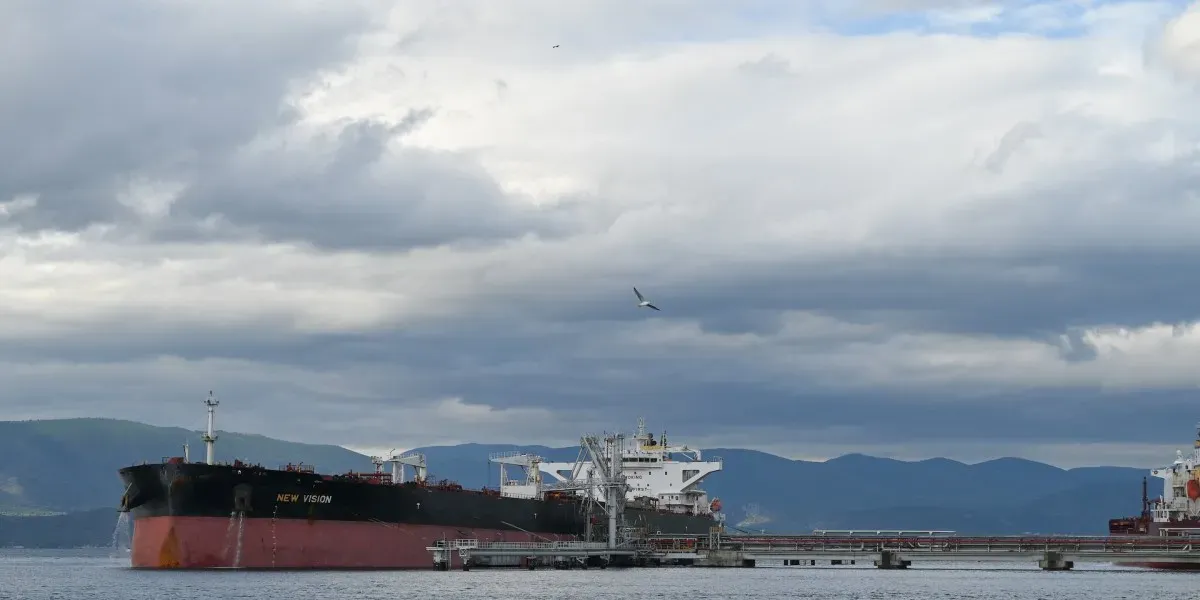
The Strait of Hormuz has become a critical chokepoint in global oil supplies, with approximately 20 million barrels of oil passing through it daily before the war began. Iran's control over Qeshm Island, located just off the coast of Bandar Abbas, is essential for regulating traffic through this strategic waterway. In recent weeks, Iranian attacks on commercial vessels navigating the strait have increased.
The impact of these disruptions on global energy markets has been significant, with oil prices remaining volatile despite efforts to mitigate the effects. Even Saudi Arabia's plan to divert 10 million barrels of oil per day around Hormuz may only marginally reduce price pressures, according to some analysts.
Iran has been expected to wait out the vote in the US before making any significant moves towards a resolution. This strategy is consistent with the country's past behavior, as reported earlier this year when it was anticipated that Tehran would not let the war end until after the midterms.
Analysts are skeptical about the potential for long-term relief from rising oil prices. Metcalf notes that the blue wave" of optimism sparked by hopes for a diplomatic resolution may be short-lived if President Trump decides to increase military pressure on Iran following the election, potentially sending oil prices soaring again.
Facts based on reporting originally published by Fortune.
You may republish this story, in full or in part, if you credit News Central Site and link to it (licence CC BY 4.0). Photos are not included.