US Foreign Student Enrollment Falls 9% This Fall
A significant decline in foreign students studying at US universities has been reported, coinciding with the Trump administration's immigration crackdown and changes to higher education policies.
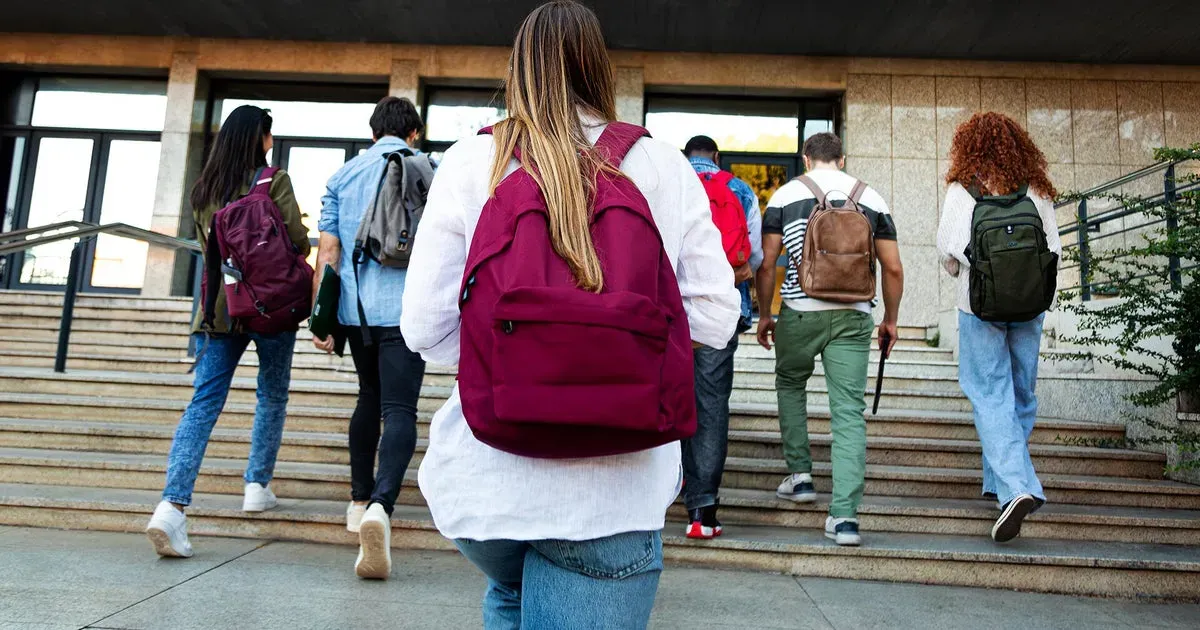
A significant decline in foreign students studying at US universities has been reported, coinciding with the Trump administration's immigration crackdown and changes to higher education policies.
According to a survey by the Institute of International Education, international enrollment on US campuses fell by 9% this fall compared to last year, while new student arrivals decreased by 15%.
Veena Dubal, general counsel for the American Association of University Professors, recalls her father's experience as an international student at Tuskegee University in the late 1960s. She notes that it was a time when opportunities were available for students like him to pursue education and work temporarily in the US.
The decline in foreign students may be attributed in part to proposed regulations requiring schools to pay a $70,000 fee for each student participating in the Optional Practical Training (OPT) program, which allows international students to gain temporary work experience after graduating.
The decline in foreign students studying at US universities is attributed to a range of factors beyond politics. According to college leaders who spoke to the Institute of International Education (IIE), even though the US remains the top destination for international students globally, changes are having an impact on enrollment numbers.
A significant portion of colleges and universities surveyed this fall pointed to two main culprits: the visa application process and travel restrictions. Eighty-eight percent blamed the former, while 70% cited the latter as reasons for the decline in foreign student enrollment.
Other factors contributing to the decline include students' concerns about research funding, according to Mirka Martel, head of research, evaluation and learning at the IIE. Fanta Aw, executive director and CEO of NAFSA, an association representing international education, also noted that changes in federal grant-giving processes have made students wary of pursuing degrees in the US.
The decline in foreign students enrolling at US universities has been attributed to concerns over uncertainty in the country's policies and procedures.
Students are weighing their options carefully, taking into account the complexity of navigating the US education system and considering alternative destinations with fewer bureaucratic hurdles.
Cleveland State University is one institution feeling the pinch, with international enrollment plummeting by 46% in just two years, from 1,542 students in fall 2025 to 828 this autumn.
The budgetary implications are significant, with Provost Nigamanth Sridhar estimating that the loss of tuition revenue could range between $2 million and $4 million.
International graduate enrollment has taken a significant hit this fall, plummeting by 15% compared to last year. In contrast, undergraduate international student numbers have decreased by a relatively modest 3%.
Congressional oversight might offer some stability for international students in the short term, according to Sarah Spreitzer of the American Council on Education. She notes that targeted policies and oversight could provide much-needed certainty for these students. As she pointed out, such measures could prevent sudden or unexplainable changes from affecting their ability to study in the US.
Facts based on reporting originally published by CBS MoneyWatch.
You may republish this story, in full or in part, if you credit News Central Site and link to it (licence CC BY 4.0). Photos are not included.