United States Grand Prix Marks Increased Popularity of Formula One in America
The increasing popularity of Formula One racing in America is attributed to factors such as increased social media exposure and Netflix's hit docuseries Drive to Survive, which has driven interest in recent years.
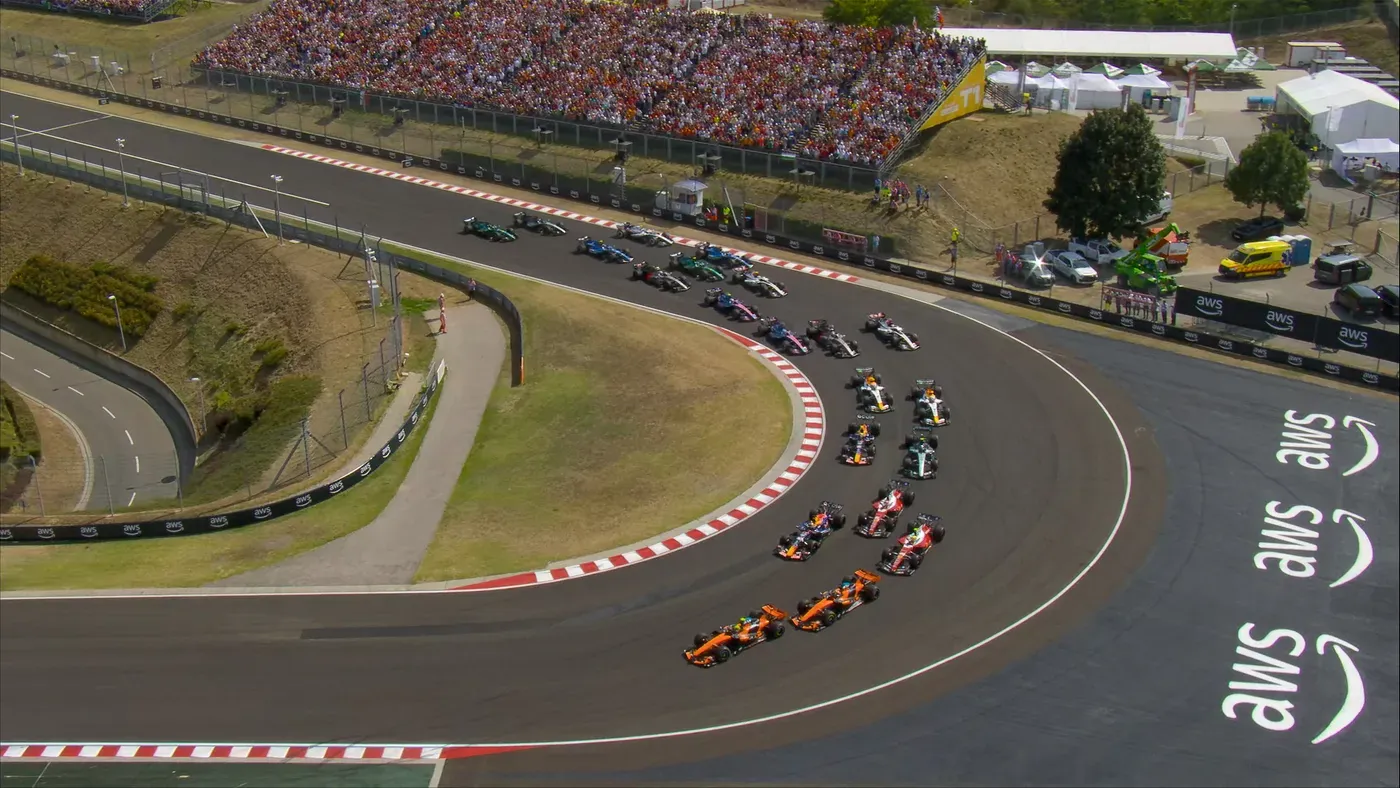
The United States Grand Prix marked another milestone in the increasing popularity of Formula One racing in America.
As I visited the on-site production facilities ahead of the event, it became clear that technology is playing a vital role in bringing races to fans around the world.
With factors like increased social media exposure and Netflix's hit docuseries Drive to Survive driving interest, F1 has seen a surge in popularity in recent years.
The speed at which these cars can travel, up to 230 miles per hour, is undeniably thrilling, but what may be less well-known is the sheer amount of data generated by each car during a race.
Each Formula One vehicle produces approximately 1.1 million data points per second from 300 sensors, making them sophisticated data-gathering machines.
Technology partners like Amazon Web Services help process and analyze this vast amount of information, turning complex data into insights that can be understood and enjoyed by everyone, whether casual viewers or die-hard fans.
These digital tools make it possible for anyone to comprehend the intricacies of F1 racing, revealing stories behind the numbers.
The temporary hangar-like facility known as the F1 Event Technical Centre (ETC) is a crucial hub behind the scenes of Formula 1 racing. Located near team hospitality units and the Paddock Club, this white structure brings together data from across the circuit.
Inside the ETC, dozens of cameras capture the sights of the race from almost every angle, while hundreds of microphones pick up on the sounds. Each car's 300 sensors monitor a range of factors, including tire pressure and airspeed.
Data from these various sources is then sent to F1's Media & Technology Centre in Biggin Hill, UK, where it is used for broadcast production. This process involves a significant amount of infrastructure setup before each race.
The construction of the ETC itself begins 10 days prior to the event and takes five days to complete. The temporary structure spans 375 square meters (about 4,036 square feet) and requires a substantial network of fiber-optic cables and data antennas for efficient communication with cars on the track.
A total of 28 ultra-high-definition cameras are positioned around the circuit to capture the action from different angles. These include cable cams, helicopters, drones, free-roaming cameras, and slow-motion cameras, providing an immersive experience for viewers.
In addition to these trackside cameras, over 90 cameras are mounted directly on cars, offering up to eight views from each vehicle. The sound of the engines roaring and tires screeching is also captured by more than 150 microphones positioned around the circuit.
The ETC itself houses a team of around 140 technical, operations, and TV production crew members working together in a dynamic environment. They are surrounded by switchboards, computer screens, and monitors displaying real-time footage from the track.
Inside one room, timekeepers meticulously record lap times to within one ten-thousandth of a second, while another team processes data from cameras, audio feeds, and car sensors for strategic support back at headquarters in Europe.
The broadcast team at Formula One has a complex task on their hands - catering to a diverse fan base that tunes in from around the world using various devices and platforms. With millions of viewers watching each race, they have to ensure that every detail is captured and conveyed effectively.
To achieve this, the team relies heavily on technology, including cloud-based computing infrastructure provided by AWS. This partnership, which began in 2018, has enabled F1 to refine its digital broadcasts and collect vast amounts of data from each car's sensors.
One tool that has been instrumental in helping the broadcast team make sense of all this data is Track Pulse. Developed jointly with AWS, it sifts through the massive amounts of information generated by each car's sensors to highlight key moments and decisions that shape the outcome of a race.
These callouts can help viewers understand not just what's happening on track but also why it matters - factors such as sudden changes in pace, shifting weather conditions, or tire strategies. The data is so vast that it would be impossible for human eyes alone to monitor all 22 cars at the same time and pick up on these small details.
To address this challenge, broadcast teams have been using Track Pulse to determine what to spotlight for viewers. Now, with the tool being made available to fans for the first time this season, they can tap into those insights themselves via F1's data channel.
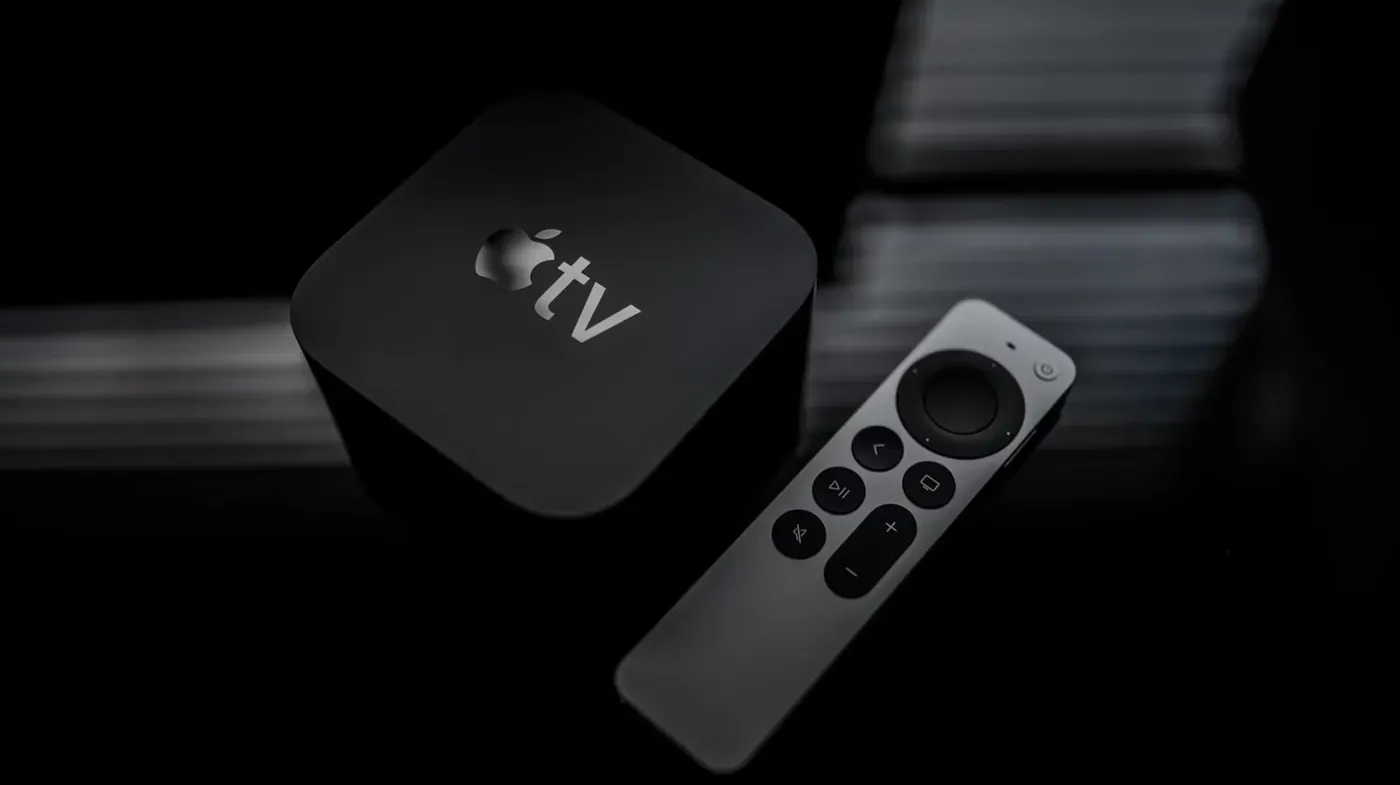
The data channel is accessible through various platforms, including Apple TV in the US and F1 TV Pro or Premium subscriptions internationally. This allows fans to get a deeper understanding of what's happening on track and why it matters, regardless of their location or device.
According to AWS, the partnership with F1 has been a success, enabling them to refine race strategies, improve digital broadcasts, and collect and analyze data more efficiently. The use of cloud-based computing infrastructure has also helped reduce costs associated with maintaining on-premises data centers.
The availability of Track Pulse to fans marks an important milestone in the evolution of F1's broadcasting strategy, one that is focused on providing a better viewing experience for its diverse global audience.
The data-rich dashboard of Track Pulse offers a unique viewing experience for fans of the sport.
Developing "stories" on the left side of the interface highlight key moments in the race, such as when one driver is rapidly closing the gap to another.
One notable example from the 2026 Australian Grand Prix saw George Russell quickly closing the gap between himself and Lewis Hamilton. Track Pulse flagged this moment due to the rapid pace at which Russell was catching up.
The tool also noted that Hamilton was using the same tires for an unusually long time, providing fans with further insight into the decisions shaping the action on track.
According to Formula One's IT Director Chris Roberts, the goal of Track Pulse is to bring fans along on the journey. This means catering to both technical enthusiasts and those new to the sport.
Roberts emphasized that the tool is designed to provide information at different levels, allowing viewers to understand the sport in their own way. This approach aims to engage a wider audience without sacrificing depth for simplicity.
Locke's comments highlight the versatility of Track Pulse as both a producer's tool and a storytelling device. Its ability to crunch data and create insights has proven valuable in identifying key moments in the race.
The live broadcasts of Formula One races have become more engaging thanks to data-driven insights powered by AWS. These real-time analyses are integrated into the coverage, providing viewers with a deeper understanding of what's happening on the track.
One such insight is the Battle Forecast, which estimates how many laps it will take for a chasing car to get close enough to attempt an overtake. This prediction takes into account factors like track history and projected driver pace, giving fans a better sense of when the action could intensify.
Another valuable tool is Tire Performance, which helps viewers understand the impact of different driving styles on tire longevity and how it affects pit stop timing. This insight provides fans with a clearer understanding of the strategic decisions made by teams during the race.
Close to the Wall is another data-driven analysis that uses specialized cameras and deep neural network algorithms to track a car's trajectory in real time. It calculates just how close the car is to a wall, highlighting the significance even a slight brush at high speeds can have on lap times or damage to the vehicle's components.
Fans now have access to the same data that teams and strategists use to gain an edge over their competitors. This democratization of information has been made possible by AWS's integration into live broadcasts.
According to Buscombe, teams and strategists had been using this data for 70 years before it became available to fans. Now, with AWS providing the exact same insights, fans can tap into the same information that teams have long used.
The partnership between AWS and the FIA is set to further boost the role of technology in the sport. As the official AI and cloud computing partner, AWS will influence various aspects of racing, from operations to car design.
Attending my first Formula 1 event was an exhilarating experience, combining cutting-edge technology, vast amounts of data, and high-speed racing in a unique way. I'm still learning about this complex world, but having access to various tools is helping me make sense of it all.
The influence of AWS on the F1 United States Grand Prix will be far-reaching, extending from operational aspects to the design of cars themselves, according to its partnership with the event organizers. This collaboration underscores the significant role technology plays in modern racing, where precision and speed are paramount.
Facts based on reporting originally published by CNET.
You may republish this story, in full or in part, if you credit News Central Site and link to it (licence CC BY 4.0). Photos are not included.