LE Audio Features Gaining Momentum Among Manufacturers
The world of wireless audio is undergoing a significant transformation as more manufacturers start to incorporate LE Audio features into their products.
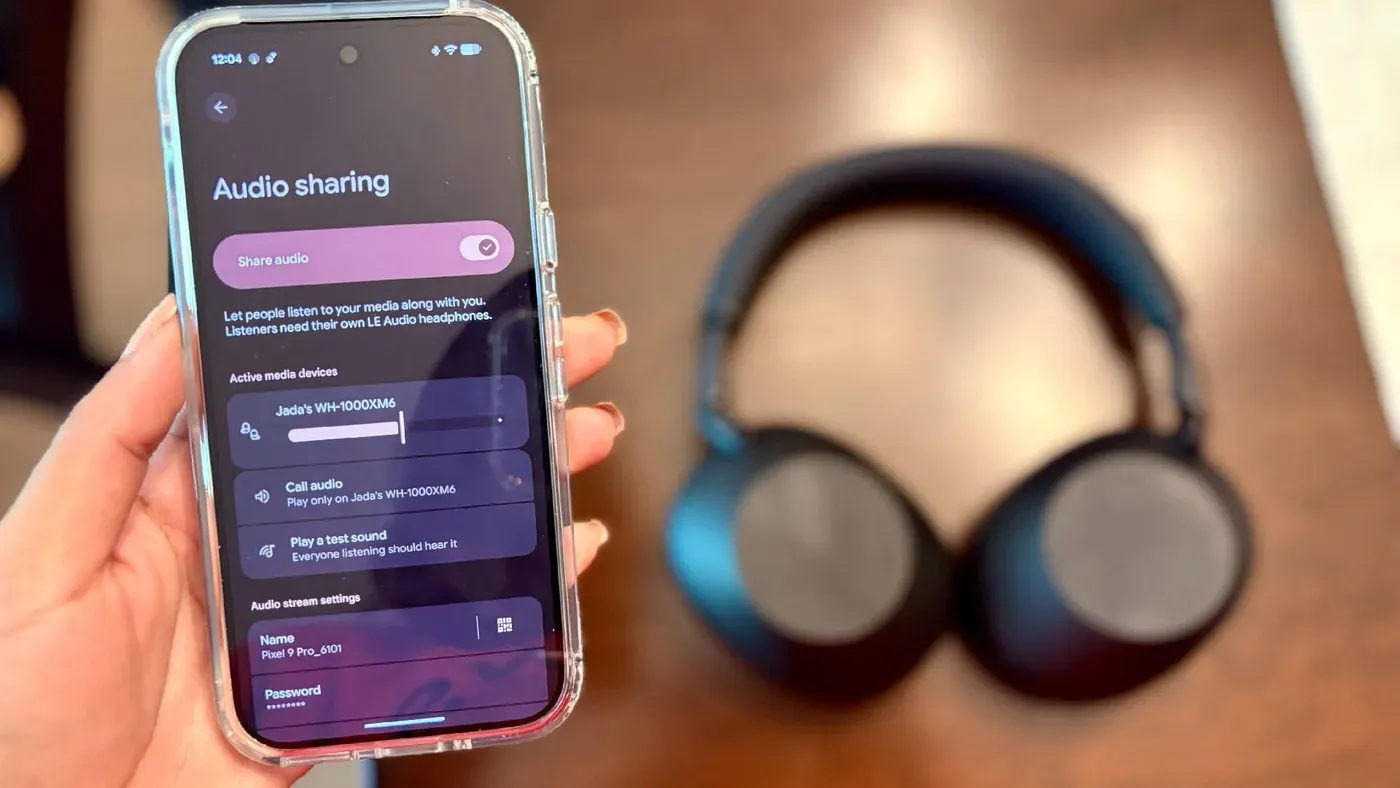
The world of wireless audio is undergoing a significant transformation as more manufacturers start to incorporate LE Audio features into their products. Companies like JBL and Sony have already released flagship headphones and earbuds that come equipped with built-in LE Audio capabilities.
Bose has also joined the fray by upgrading its high-end headphones via an over-the-air firmware update, allowing existing users to take advantage of these cutting-edge audio technologies. This shift towards LE Audio is gaining momentum, driven in part by its ability to improve wireless voice call quality and reduce battery drain in true wireless earbuds.
One of the key features of LE Audio is Auracast, which enables one-to-many audio streams and has become a popular choice among manufacturers. However, other upgrades within the LE Audio framework are also gaining importance as they tackle issues like improving wireless voice call quality and reducing battery drain in true wireless earbuds.
These enhancements include the Low Complexity Communication Codec (LC3), which allows for simultaneous handling of audio streams and voice calls through the unified Telephony and Media Audio Profile (TMAP). In contrast, Bluetooth Classic relies on separate profiles such as the Advanced Audio Distribution Profile (A2DP) and Hands-Free Profile (HFP).
The older Bluetooth Classic profiles have a significant drawback: they must alternate between functions, resulting in poor voice quality during hands-free calls or video conferencing over cellular networks. This issue can also affect users who engage in mobile gaming while chatting with friends online.
The introduction of LE Audio has brought about significant improvements in wireless headphone technology. One of the key benefits is the consolidation of two profiles into one, resulting in higher-quality bidirectional audio and better voice call quality when using wireless headphones.
Several major brands have already begun to adopt LE Audio technology. For instance, JBL recently updated its flagship Tour Pro 3 earbuds with an over-the-air firmware update to support LE Audio, while Sony's WF-1000XM6 earbuds, released in February, come with LE Audio support built-in.
LE Audio also enables a major improvement in true wireless earbud technology: native multi-stream audio. This feature allows for more efficient and effective use of bandwidth, reducing the complexity of audio transmission.
In contrast to Bluetooth Classic, which requires one earbud to retransmit audio from the source device, LE Audio enables independent audio streams built into the Bluetooth stack. This means that manufacturers no longer need to implement their own workarounds to avoid asymmetrical battery drain.
The adoption of LE Audio has been hindered by software and hardware ecosystems that dictate which features are reserved for devices within their ecosystem and withhold them from outside devices, resulting in fragmentation across manufacturers and codecs.
The limitations of current audio codecs have hindered wireless audio experiences, particularly in gaming contexts where low latency and clear voice communication are crucial. Sony's LDAC codec, for instance, is exclusive to certain Sony devices, restricting its availability in the US market.
Similarly, Snapdragon's AptX codecs are not as widely supported on smartphones, leaving many users with no choice but to rely on basic Bluetooth Classic SBC and AAC codes, despite their headphones potentially supporting more advanced options. This fragmentation in audio technology has made it challenging for consumers to enjoy seamless wireless audio experiences.
The advent of LE Audio aims to address these issues by providing a more reliable and efficient solution. With lower latency and improved voice audio streams, LE Audio eliminates the need for asymmetrical audio transmission, resulting in a more synchronized and immersive experience.
As manufacturers begin to update their devices to support LE Audio, it is clear that this technology has the potential to revolutionize wireless audio experiences. However, the compatibility of certain devices, such as AirPods, remains uncertain at present.
Facts based on reporting originally published by ZDNet.
You may republish this story, in full or in part, if you credit News Central Site and link to it (licence CC BY 4.0). Photos are not included.