UK Government Considers Apology for Trans-Atlantic Slave Trade Role
The UK government has hinted at offering an apology for its historical involvement in the trans-Atlantic slave trade as part of efforts to strengthen ties with nations in Africa and the Caribbean.
The UK government has hinted at a potential apology for its role in the trans-Atlantic slave trade as part of efforts to strengthen ties with nations in Africa and the Caribbean.
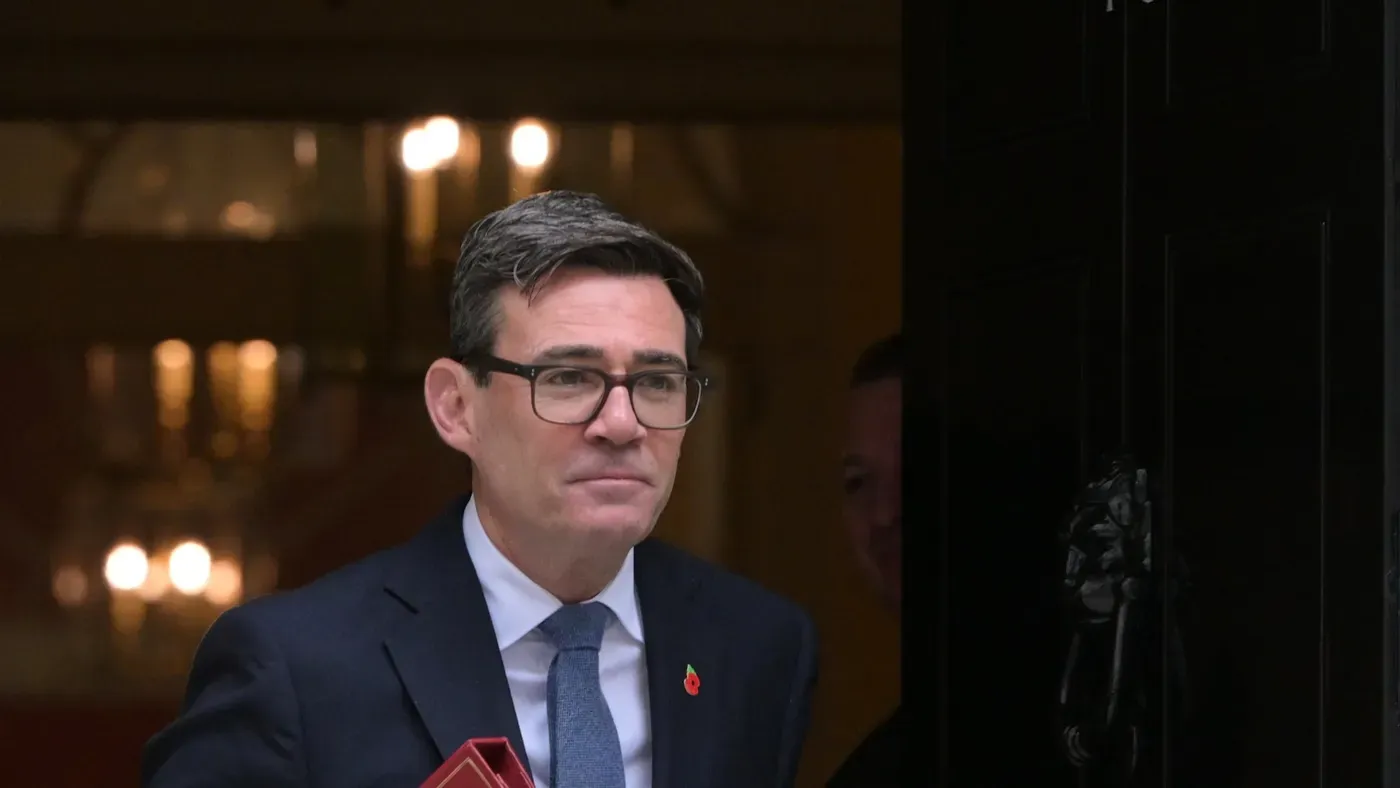
UK Prime Minister Andy Burnham made this announcement while writing in The Guardian on Saturday, highlighting the need for Britain to confront its complex history. This move comes ahead of his visit to Antigua and Barbuda next week, where he will attend a meeting of Commonwealth leaders.
Burnham emphasized that acknowledging the past is crucial for maintaining the integrity of the Commonwealth, an association of 56 independent nations formed from the remnants of the British Empire. He acknowledged that certain member states have long sought honest discussions about the legacy of slavery.
The Prime Minister stated that by avoiding this conversation, the UK has inadvertently hindered the ability of the Commonwealth to function effectively. This realization has prompted the government to propose starting a structured dialogue with those affected by slavery.
In response to calls for reparations, Burnham made it clear that Britain will continue to resist demands for compensation related to the slave trade. However, he did express willingness to listen to requests for a formal apology from the British state.
The Prime Minister's stance on historical wrongs has sparked debate about accountability for past injustices.
Burnham emphasized that current Britons cannot be held responsible for atrocities committed in a different era under varying laws and circumstances.
He shifted focus towards addressing pressing issues affecting Commonwealth nations today, including the substantial debt burdens faced by many developing countries.
The Prime Minister plans to collaborate with wealthy nations and investors to facilitate longer repayment periods and lower interest rates for vulnerable countries.
Burnham announced that former Prime Minister Gordon Brown will attend the upcoming Commonwealth meeting to advance this initiative.
Brown is a prominent advocate for debt relief in developing nations, and his participation aims to accelerate progress on this issue.
The Commonwealth Heads of Government meeting will take place from Sunday through Wednesday in St. John's, the capital of Antigua and Barbuda.
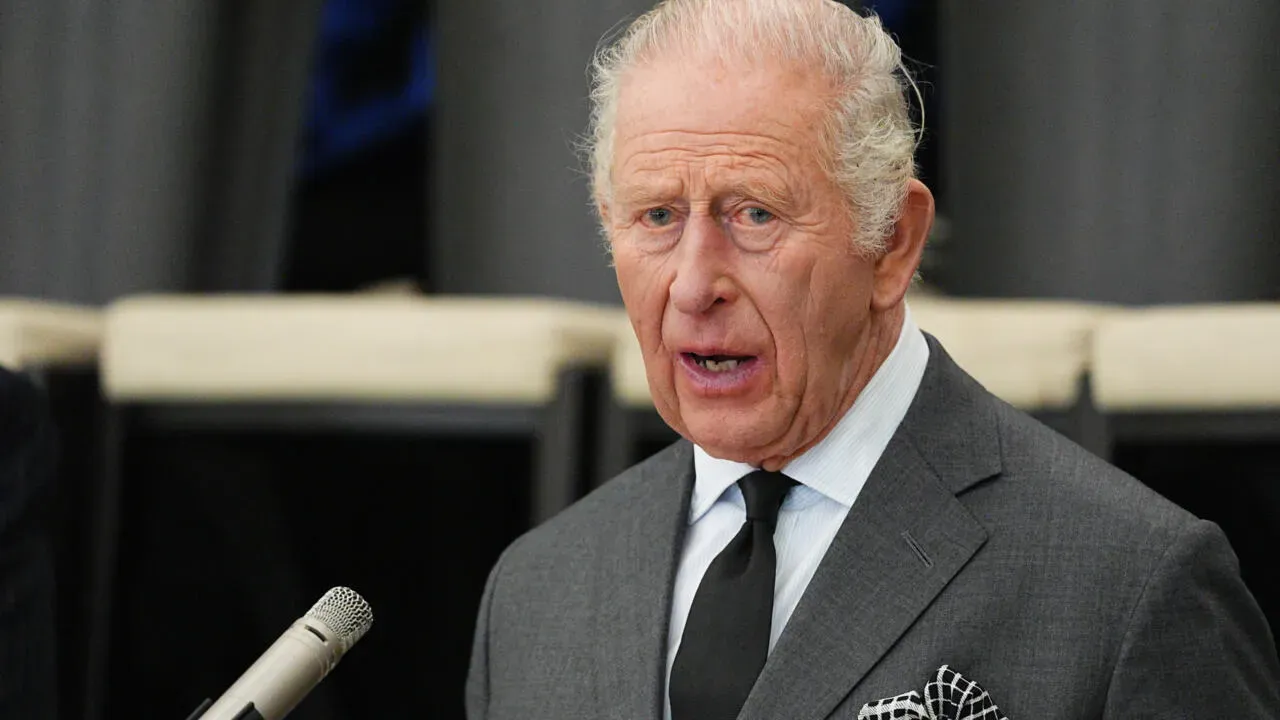
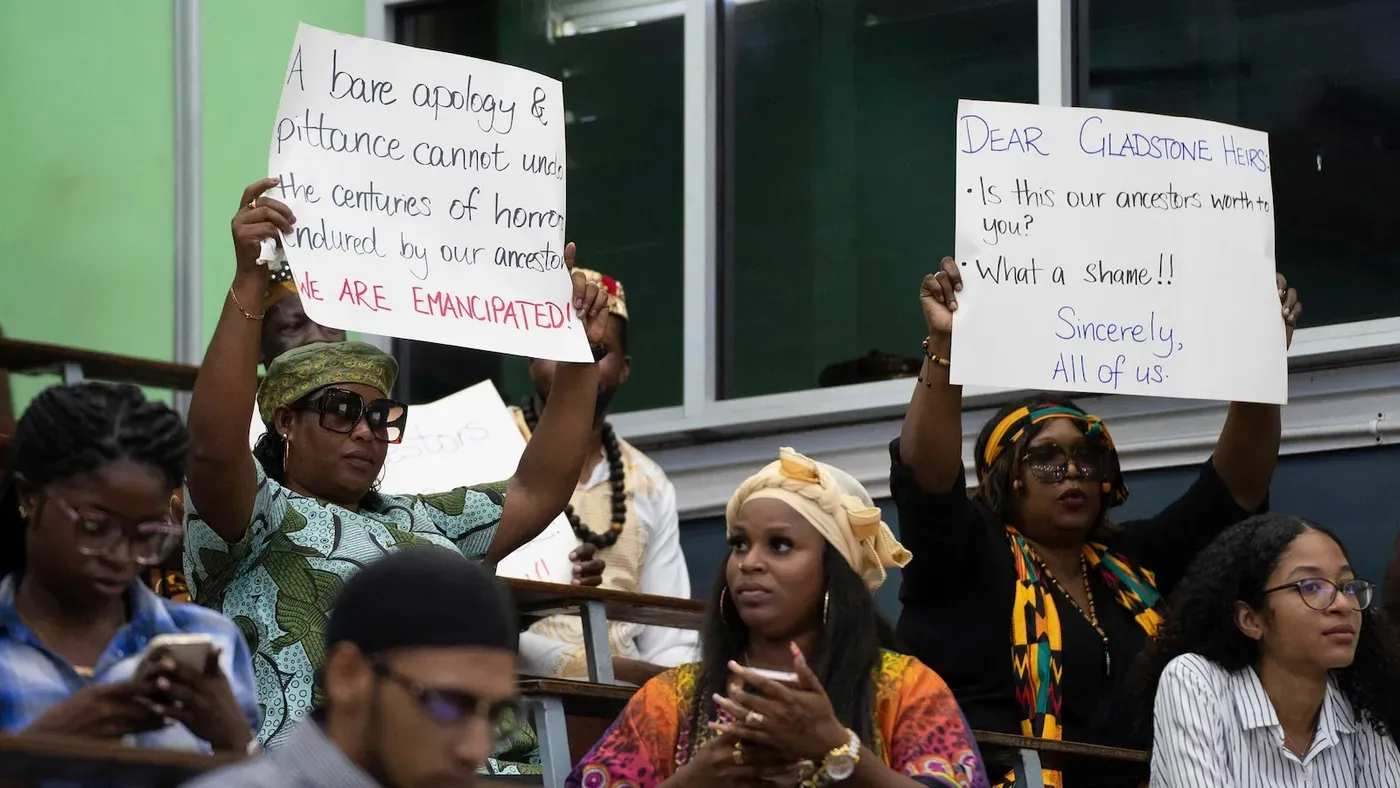
King Charles III faced demands for an apology and reparations during the initial phase of his Caribbean trip, which concludes with the meeting.
The UK government's stance on apologizing for its role in the slave trade has been a contentious issue, with King Charles III facing demands for an apology and reparations during his Caribbean trip.
This shift in policy may be influenced by Britain's efforts to strengthen ties with its Commonwealth allies amidst global economic, environmental, and military challenges. The government may also seek to address concerns from younger, more liberal voters who are calling for a re-examination of the UK's colonial history.
In recent years, anti-racism protests have highlighted the legacy of British slave traders, including Edward Colston, an English merchant and politician who shipped thousands of enslaved people to colonies in the Americas. His statue was torn down by protesters in Bristol in 2020 as a symbol of opposition against glorifying the lives of those involved in the slave trade.
The descendants of some individuals who profited from the slave trade have already apologized and offered compensation, including the owner of the Guardian newspaper.
U.K. politicians have traditionally celebrated the country's role in banning the slave trade in 1807 and outlawing slavery throughout the British Empire in 1833.
However, Burnham emphasized that it is time for a more nuanced understanding of the UK's involvement in the trans-Atlantic slave trade. He acknowledged that while Britain was at the forefront of abolishing slavery, its people also participated in the brutal trade of human lives.
The acknowledgment by Burnham comes as part of a broader effort to confront and make amends for the country's complex past.
Facts based on reporting originally published by ABC News International.
You may republish this story, in full or in part, if you credit News Central Site and link to it (licence CC BY 4.0). Photos are not included.