Italian Truffle Hunters Face Challenging Conditions Due to Heat and Drought
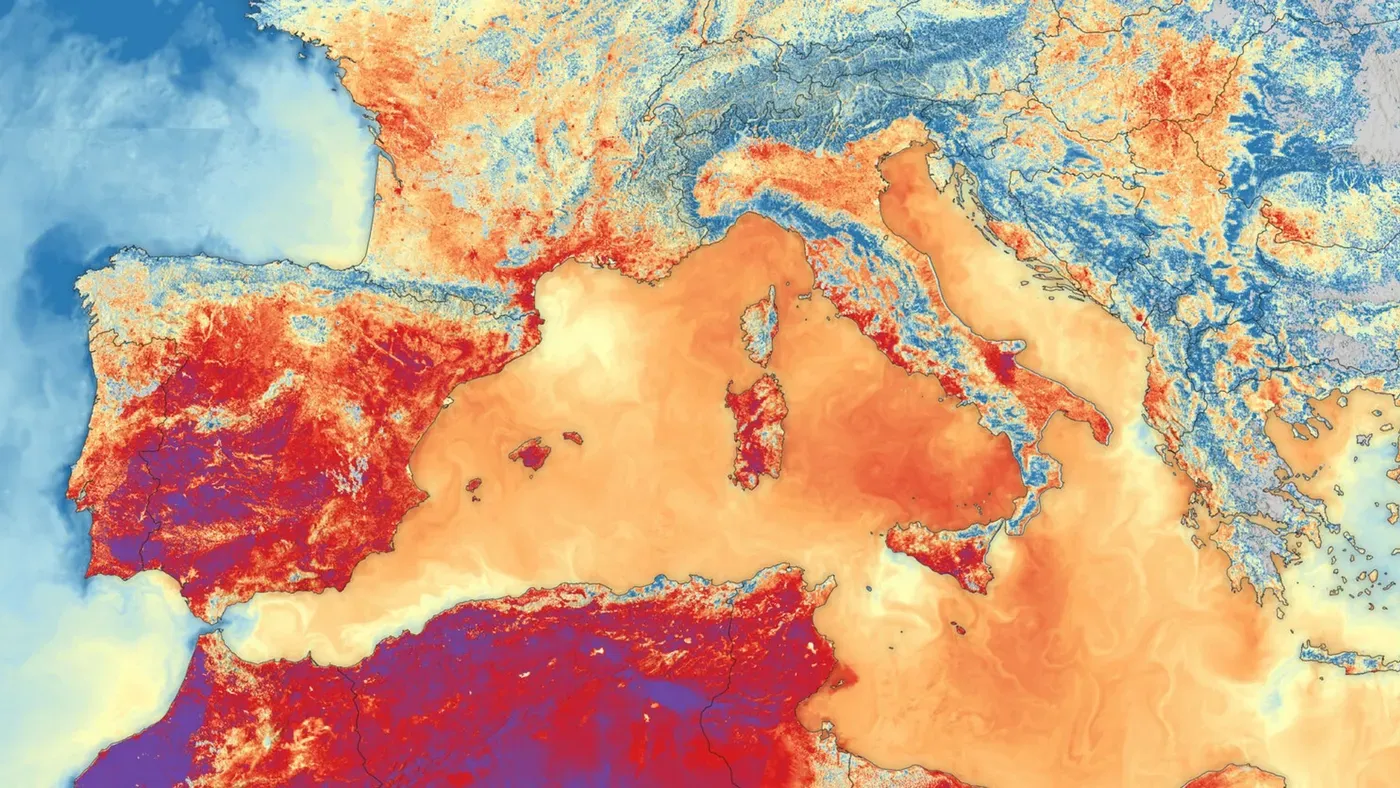
A prolonged period of heat and drought has disrupted the soil conditions necessary for white truffles to thrive.
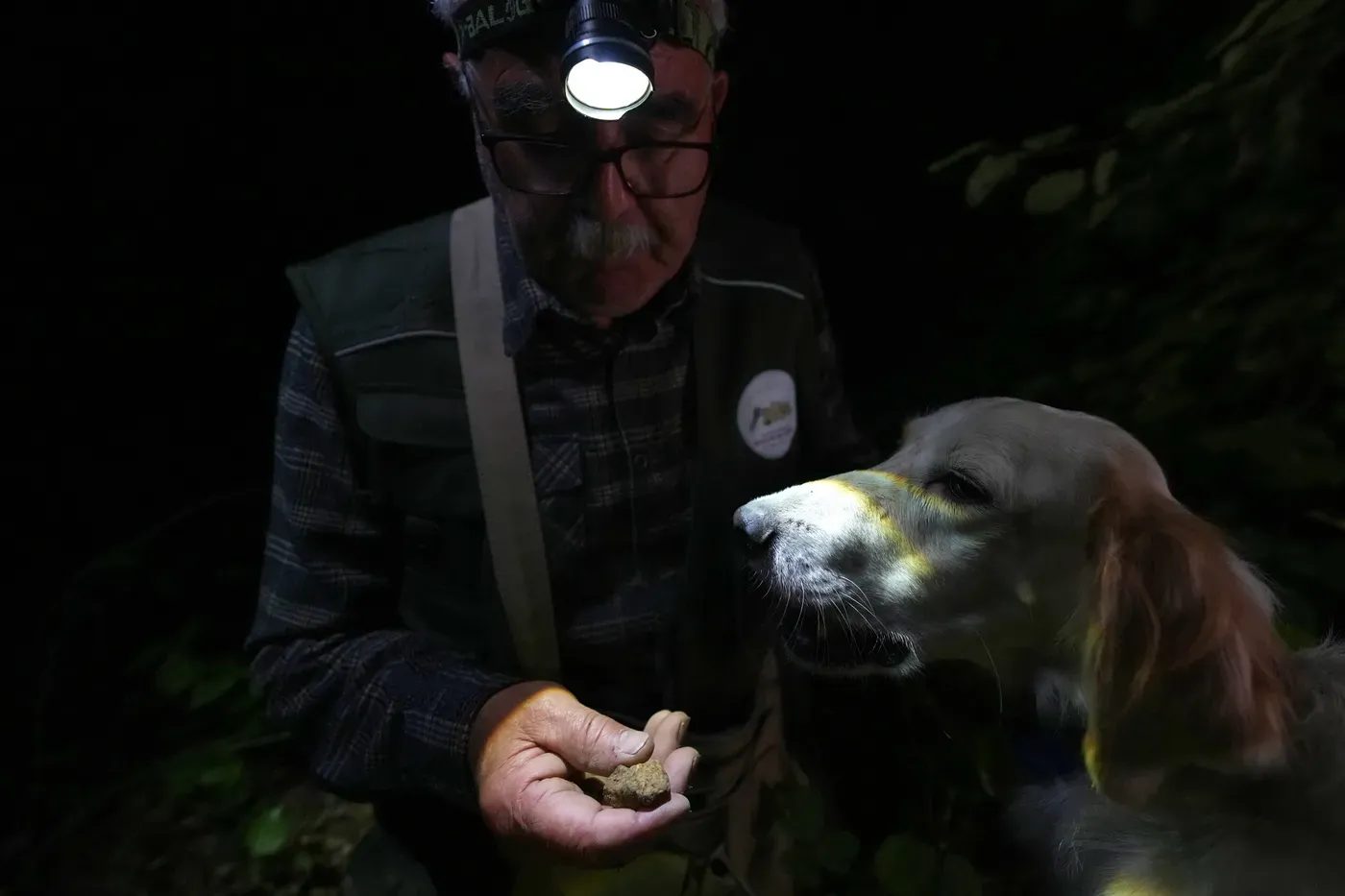
A team of Italian truffle hunters has been facing a daunting challenge in their pursuit of the prized white truffle, as a prolonged period of heat and drought has taken its toll on the delicate fungus.
The traditional start date for the truffle hunting season, October 1, has seen the trifolau venturing out into the woods around Alba, but they are finding it increasingly difficult to locate their quarry. The prolonged dry spell and scorching temperatures have disrupted the soil conditions that the white truffle requires to thrive.
According to Antonio Degiacomi, president of Italy's National Centre for Truffle Studies, the lack of rainfall in July and August has had a significant impact on truffle production this season. The entire month of October was affected by these weather conditions, he noted.
As a result of the dry soil, smaller truffles have been found this season, further exacerbating concerns about the long-term sustainability of white truffle harvesting.
The International White Truffle Fair is currently underway in Alba and its surrounding Langhe hills, but the season has been marked by challenging conditions for truffle hunters.
Axel Iberti, president of the fair, noted that the season began slowly due to a hot, dry summer that led to smaller truffles emerging. However, recent rains have improved conditions, allowing larger specimens to appear.
Demand for white truffles remains strong despite tighter supplies, causing prices at Alba's truffle market to rise by 20-30% compared to last year. Hotels and other accommodations in the area have also sold out during the fair period.
The impact of a warming climate on white truffle harvesting is becoming increasingly apparent, with concerns extending beyond this season's crop.
A decline in truffle harvests and habitat suitability has been observed in Croatia, echoing concerns raised about the impact of climate change on white truffle harvesting in Italy.
Truffle hunters outside Zagreb have reported struggling to find the prized fungi due to years of drought, which has resulted in smaller and scarcer truffles. Petar Alebic, a seasoned truffle hunter, estimates that this year's harvest is approximately 30% below normal, forcing him to supplement his income with guided tours for tourists.
Alebic's experience is mirrored by mycologists studying truffles in Croatia, who have reported similar findings. According to Armin Mesic of the Rudjer Boskovic Institute, drought and high temperatures have a significant impact on both the quantity and quality of truffles, leading to declining quantities and a shrinking geographical area where white truffles grow.
The decline in truffle harvests is reflected in the market value of the prized fungi, with prices reaching as much as 4,000 euros ($4,500) per kilogram. Despite these challenges, experts in Piedmont continue to reject the notion that the white truffle is doomed, suggesting that conservation efforts and sustainable harvesting practices may help mitigate the effects of climate change on this highly valued species.
As researchers in Piedmont continue to grapple with the impact of climate change on white truffle habitats, some experts are exploring innovative ways to help these ecosystems adapt.
Improved forest management is one approach being studied, as well as experimental irrigation techniques during prolonged droughts. By mimicking natural processes artificially, researchers hope to mitigate the effects of a warming climate on truffle populations.
In Alba, the focus has shifted from solely promoting tourism to incorporating environmental education and conservation efforts into the city's initiatives. This change in approach is being driven by a growing recognition that the health of the local ecosystem is closely tied to the long-term viability of white truffle production.
Communities are working together with municipalities, truffle hunters, and landowners to create new public truffle grounds and plant trees that could eventually support truffle growth.
Researchers are exploring ways to adapt white truffle cultivation to a changing climate by examining soil microorganisms and identifying tree species that can thrive in hotter and drier conditions.
Despite ongoing efforts, large-scale commercial production of white truffles remains elusive, unlike the more cultivated black truffle. The challenges in growing white truffles have hindered attempts to meet increasing demand for these prized fungi.
The outcome of this year's harvest will influence prices and availability of white truffles at markets and restaurants, but for now, the traditional partnership between hunters, their dogs, and the forests they hunt in continues unabated.
Facts based on reporting originally published by Phys.org.
You may republish this story, in full or in part, if you credit News Central Site and link to it (licence CC BY 4.0). Photos are not included.