Significant Progress Made in Developing Sensors to Monitor Corn Growth Continuously
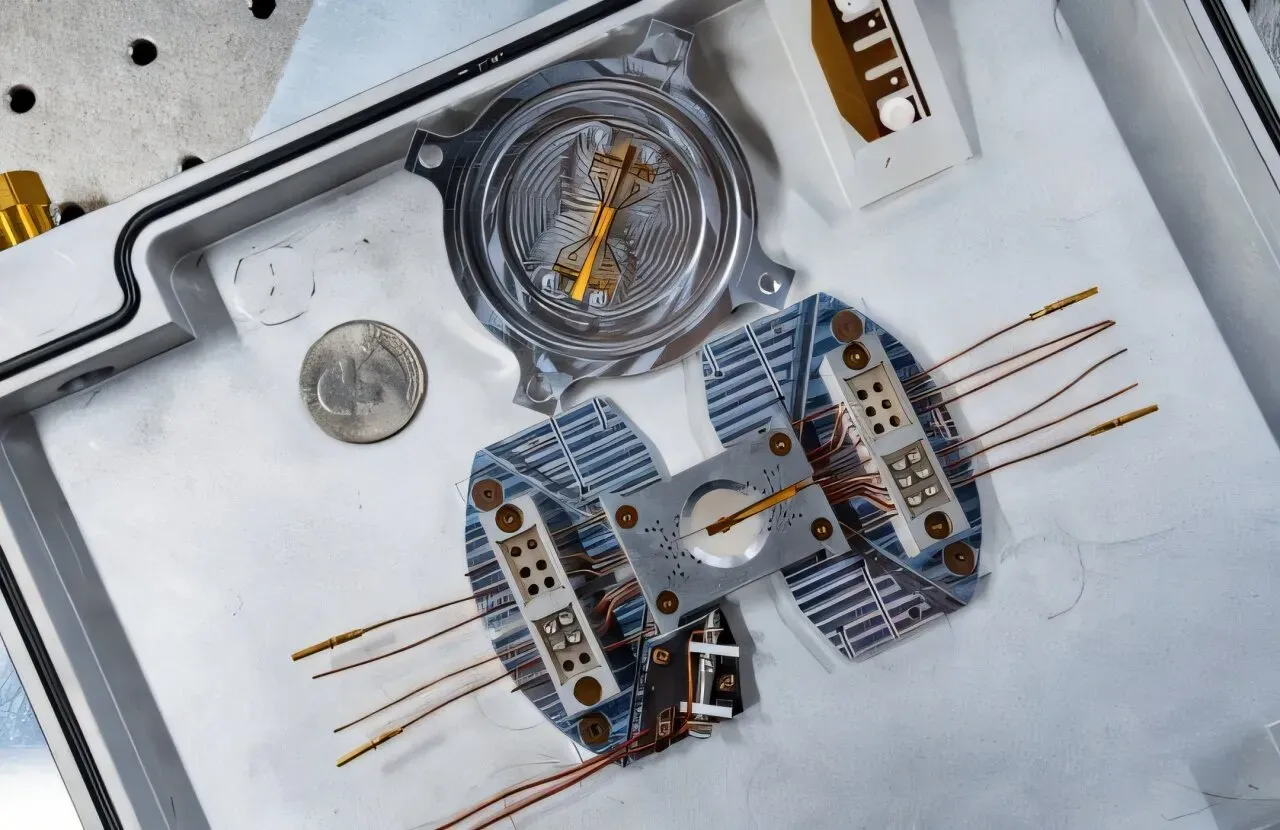
Researchers at South Dakota State University have made significant progress in developing sensors to monitor corn growth continuously using laser-induced graphene technology.
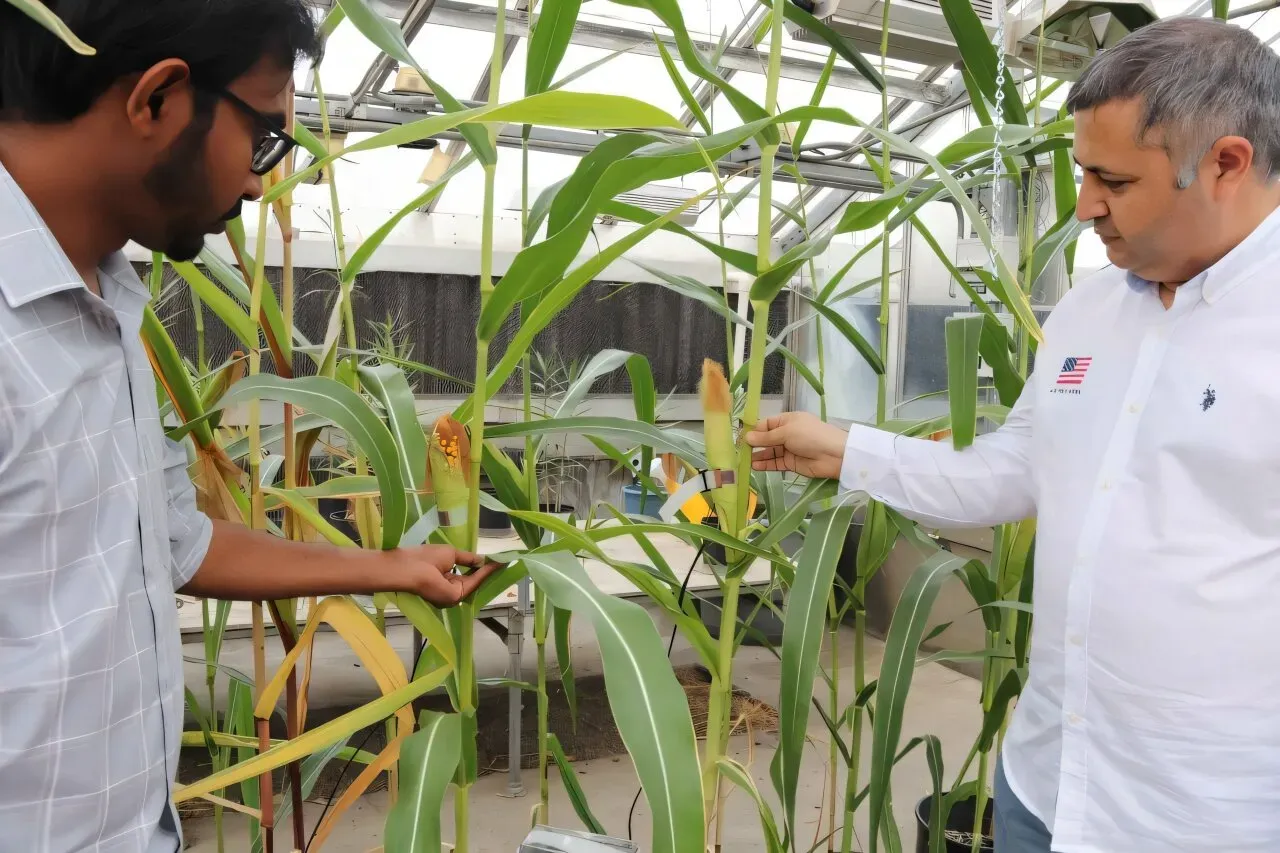
Researchers have made significant progress in developing sensors to monitor corn growth continuously. These innovative sensors use advanced technology to provide valuable insights into plant development and response to various treatments. The ability to collect and analyze data from monitored cornstalks and ears will be a game-changer for plant breeders and agronomists.
The breakthrough is the result of research work at South Dakota State University, where a team has been developing sensors using laser-induced graphene since August 2022. Mazhar Sher, a biosensors engineer and assistant professor in the Department of Agricultural and Biosystems Engineering, has been leading this effort. His expertise in this area has led to the creation of these cutting-edge sensors.
The use of laser-induced graphene is not new; it was first reported by researchers at Rice University in 2014. They discovered that a carbon dioxide laser could convert commercial polyimide into porous graphene, creating a rapid and scalable method for fabricating graphene structures. This technology has since been explored for various applications, including sensors.
The development of these sensors is significant because it addresses the need to monitor corn growth more effectively. By downloading data from continuously monitored cornstalks and ears, plant breeders and agronomists can gain valuable insights into plant responses to different treatments. This information will enable them to make informed decisions about crop management.
This technology has far-reaching implications for the agricultural industry, where precision farming is becoming increasingly important. The ability to monitor corn growth in real-time will help farmers optimize their practices, leading to improved yields and reduced waste. However, more research is needed to fully understand the potential of these sensors and how they can be integrated into existing farming systems.
The unique properties of laser-induced graphene make it an ideal material for sensor applications. Its high electrical conductivity, large surface area, mechanical flexibility, porous structure, and high sensitivity allow it to detect subtle changes in its surroundings.
Sher's experience with wearable sensors is not limited to plant growth monitoring. He previously worked on developing sensors for human diseases during his postdoctoral research at the University of Pennsylvania. His expertise has been instrumental in creating a new generation of wearable plant sensors.
The field of wearable plant sensors is still in its infancy, and until now, there was no technology available to measure cornstalk or ear growth continuously. Sher's team has successfully completed initial testing of their innovative sensors, which have the potential to revolutionize crop monitoring.
In the development process, the researchers attached the laser-induced graphene sensors to a food-grade silicone band that accommodates plant growth without restricting it. This design allows for continuous contact between the sensor and the corn stalk or ear, enabling real-time data collection every 10 minutes.
Optimizing the laser power and scanning speed during the fabrication process is crucial in developing high-quality graphene sensors. By achieving the right balance, Sher's team can increase the sensitivity of the sensors while minimizing defects, paving the way for further research and potential applications.
A crucial step in developing the sensors was optimizing laser parameters, a task previously undertaken by Sikander Ameer, who worked under Sher's supervision from August 2022 to December 2025.
The research has since expanded to include the creation of laser-induced graphene sensors designed as plant-wearable devices. Kuruppuarachchi played a key role in developing these sensors and designing the electronics required for collecting, processing, and reporting data from them.
To record measurements, a microSD card is used, allowing data to be stored on a portable digital device. The electronics are also designed for battery-powered operation during long-duration plant experiments.
The cost of polyimide sheets used in creating laser-induced graphene is minimal, at less than one dollar per sheet. However, the focus of this research is not on equipping individual farmers with sensors, but rather providing valuable data to plant breeders and agronomists who can offer targeted advice to these professionals.
Facts based on reporting originally published by Phys.org.
You may republish this story, in full or in part, if you credit News Central Site and link to it (licence CC BY 4.0). Photos are not included.