Sense and Sensibility film adaptation released in England
The new adaptation of Jane Austen's novel features scenic landscapes from Devon and Dorset.
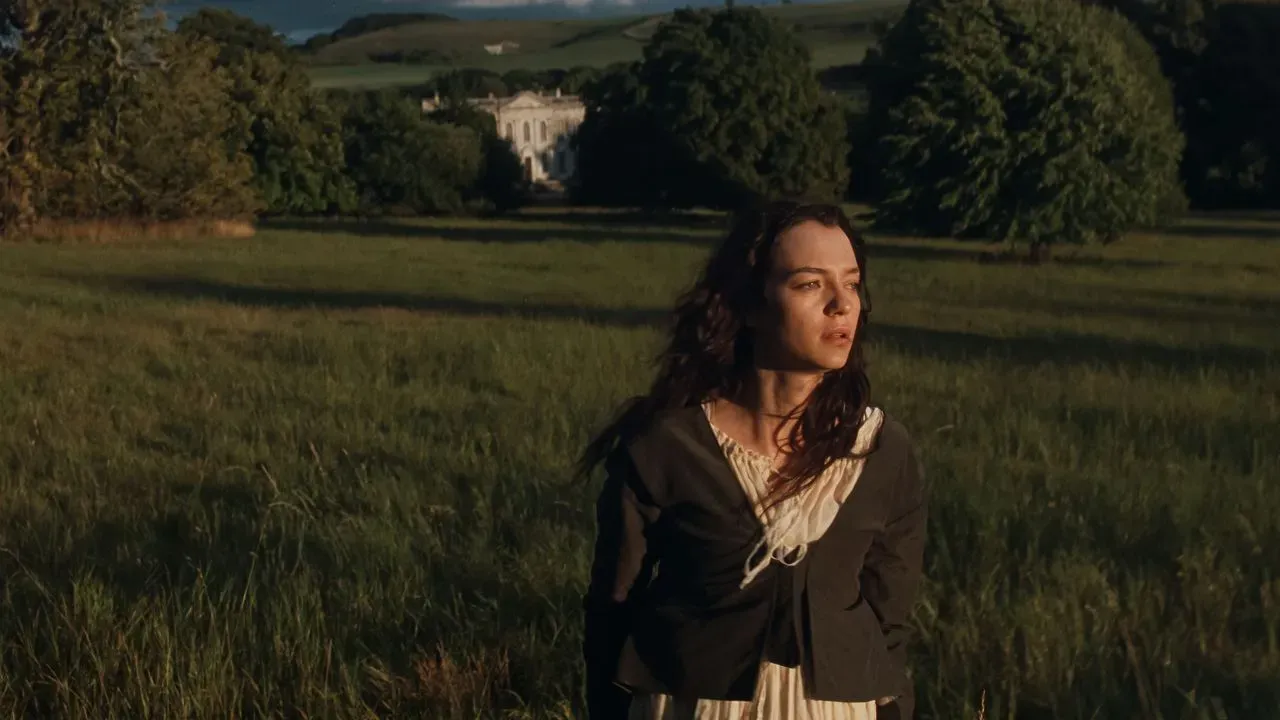
A new adaptation of Jane Austen's classic novel Sense and Sensibility has been released, taking audiences on a scenic journey through the picturesque landscapes of Devon and Dorset in southern England.
The film's location manager Ian Hutchinson recalled the experience of working on set, saying "We just fell in love with the West Country, Devon and Dorset" - a sentiment that reflects the importance of landscape to the story. Austen's tale of two sisters navigating love and heartbreak is heavily influenced by its surroundings, with the grand country houses and windswept moors providing a rich backdrop for their changing fortunes.
The Dashwood family's home in Sussex was left behind after their father's death, forcing them into a more modest life in Devon. The contrast between their old and new lives is stark, as they navigate the different expectations of love and marriage in Regency society. The film's locations showcase this contrast beautifully, moving from the grand estates of Dorset to the wilds of Dartmoor.
Viewers are taken on a tour of some of England's most stunning landscapes, including the country estates of Dorset, the moors of Dartmoor, and even the palaces of Buckinghamshire. The result is a visually sumptuous adaptation that brings Austen's timeless story to life in vivid detail.
As the film navigates the complexities of love and family, it does so against a backdrop of breathtaking natural beauty - a fitting tribute to the enduring appeal of Jane Austen's classic novel.
The search for the perfect locations was a painstaking process, as Ian recalls. The team scoured England's countryside in search of settings that would do justice to Jane Austen's classic novel. They finally found what they were looking for in Dorset, where two separate sites were used to recreate the romantic magic of Norland Park.
Kingston Maurward House was chosen as the main backdrop for the grand home, with its 16th-century interiors and expansive grounds providing a fitting setting for the Dashwoods' estate. However, it lacked one crucial element: a lake at the back of the garden where the sisters could gather. Nearby Parnham Park filled this gap, with its quaint wooden bridge and glassy lake adding to the idyllic atmosphere.
The combination of Kingston Maurward House's interior and exterior architecture with Parnham Park's picturesque lake created an ideal setting for the film. The team was able to "exaggerate the scenes filmed there, enhancing them beyond their original conception. This was a deliberate choice, driven by the desire to create a more dramatic and romantic atmosphere.
As the production moved on to Dartmoor National Park in Devon, the tone of the film shifted significantly. The Barton Cottage scenes were filmed here, providing a stark contrast to the grandeur of Norland Park. The rugged beauty of Dartmoor added depth and complexity to the story, reflecting the challenges faced by the Dashwood women as they navigated their new circumstances.
The team's decision to use real locations rather than studio sets brought an authenticity to the film that would have been impossible to replicate otherwise. The English countryside proved to be a willing participant in the production, providing a dramatic and picturesque backdrop for the story of love, family, and social class.
The production team behind the new Sense and Sensibility film embarked on an extensive search for the perfect filming location in Devon and Dorset.
After scouring around 50 remote properties across the region over a period of three months before production began, they finally settled on a derelict stone shell deep within a national park near Plymouth.
The property had no doors or windows, and its interior was filled with rubble, making it an unlikely candidate for filming at first glance.
However, the team saw potential in the location and decided to build a custom two-storey stage set inside the ruined walls.
This allowed director Georgia Oakley to seamlessly transition between the home's tight interiors and the surrounding wilds of Devon without needing to cut scenes.
The crew built a false floor to create an upper ground level, constructed stairs, and even created a box within a box to achieve the desired effect.
However, this ambitious plan was not without its challenges.
One major hurdle was dealing with the property's resident bats, which required a specialist who spent three nights in the location to assess their numbers.
The film's crew encountered unpredictable weather conditions while shooting on location in Devon and Dorset. We'd have glorious blue sunshine one moment," said Ian, and then driving rain with thunder and lightning would follow.
Shooting in such remote areas proved to be a logistical challenge, with the team often finding themselves 40 to 50 minutes away from any civilization in Plymouth.
The picturesque landscape of Dartmoor was also used as the backdrop for one of the film's key scenes. A horse and carriage were brought in to rumble along the steep granite tracks at dawn, providing a breathtaking sight against the rugged terrain.
Knebworth House in Hertfordshire and Broughton Castle in Oxfordshire played important roles in the film, particularly during a pivotal point when Marianne takes a walk in the rain. The team paired the Gothic exterior of Knebworth with the interiors of Broughton to create an ominous atmosphere that mirrored the darkening mood of the story.
The production team behind the new Sense and Sensibility adaptation opted for period locations in and around London to create an authentic atmosphere without relying on modern set builds.
Rainham Hall, a National Trust property in Havering, was used as a stand-in for the interiors of Mrs Jennings' house at Portman Square. The historic rooms at Rainham Hall are preserved as a museum, providing a genuine and unaltered space for filming.
The team aimed to use real locations with significant age to avoid any doubts about their authenticity on screen. According to Ian, this approach allowed them to focus on storytelling rather than worrying about the credibility of their sets.
To capture the street scenes and exteriors, the crew filmed at Lincoln's Inn in Holborn, an area that retains a mix of period features without too many modern additions. The location presented some minor challenges, such as removing electrical lines and satellite dishes from view.
West Wycombe Park in Buckinghamshire was chosen for its Italianate architecture to represent the wealth and social standing of the Ferrars family.
The production team's search for a specific shot at Blenheim Palace in Oxfordshire was a challenging one. The director had requested a carriage reflected perfectly in a body of water as it traveled across the grounds, but finding the perfect location proved to be a difficult task.
It took five months and the entire duration of filming to locate the desired spot. According to Ian, the team finally found what they were looking for after scouring the estate grounds. The scene that resulted from their perseverance is one of the loveliest in the film.
The wait was worth it, as the perfect light conditions made it possible to capture the shot within just three hours. Ian revealed that he had been keeping a lookout while attending to other tasks during this time, showing his dedication to getting the desired image.
In the end, the team's efforts paid off and they were able to create a visually stunning scene that perfectly captures the essence of the film.
Facts based on reporting originally published by Conde Nast Traveler.
You may republish this story, in full or in part, if you credit News Central Site and link to it (licence CC BY 4.0). Photos are not included.