Supreme Court to Rule on Trump Asylum Ban Policy
The Supreme Court has agreed to rule on a key aspect of President Donald Trump's immigration agenda: whether his administration can ban asylum claims at the southern border.
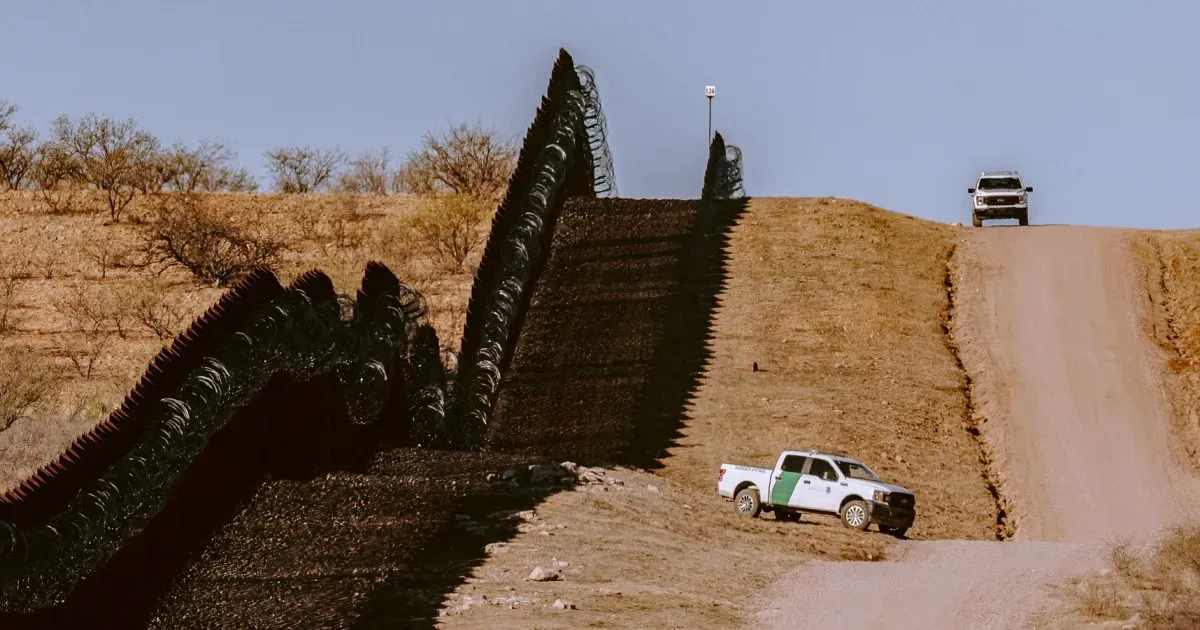
The Supreme Court has agreed to rule on a key aspect of President Donald Trump's immigration agenda: whether his administration can ban asylum claims at the southern border.
A federal judge previously ruled that the policy enacted by Trump on the first day of his second term was unlawful, but it remains in effect while litigation continues. This decision is now headed for the highest court in the land, where a ruling is expected before the end of June.
The Supreme Court's verdict will be the final say on a contentious issue that pits presidential power against federal law enacted by Congress, which outlines procedures for asylum claims at the border. The Trump administration has asserted broad authority over immigration decisions, sparking debate about its limits.
In making its decision, the court will consider the implications of Trump's proclamation issued January 20, 2025, in which he declared an "invasion on the southern border. This declaration has led to a ban on asylum claims for those who cross the border without required paperwork.
The case is part of a series of significant immigration-related disputes that the Supreme Court is currently considering, including other Trump administration policies.
The Trump administration's asylum ban is facing another hurdle as it heads to the Supreme Court for a final decision. At stake are the powers of the President under federal immigration laws and the Constitution. According to Solicitor General Noel Francisco, the policy falls within the scope of these powers.
The administration argues that the ban rests on a commonsense understanding of the President's inherent and delegated powers to exclude aliens, as written by Francisco in court documents. The plaintiffs, including 13 unnamed individuals and three immigration groups, disagree with this assessment. Their lawyers at the American Civil Liberties Union claim that the policy undermines asylum rules established by Congress.
The INA sets out a process under which immigrants can argue they have credible fear of torture or persecution if returned to their home country. The ACLU argues that the president cannot simply create a new removal system that disregards these protections. In court papers, they assert that the president may not invent by fiat a new removal system that eviscerates the protections Congress mandated by statute.
The lower courts have already ruled against the administration on this issue. District Judge Randolph Moss and the D.C. Circuit Court of Appeals both upheld the ban's challengers. The administration's decision to seek Supreme Court review suggests it is determined to settle the matter once and for all.
The Supreme Court is set to rule on another key immigration case involving President Trump's asylum ban, amidst a string of high-profile decisions on border control and deportation procedures.
This latest case involves the administration's practice of deporting immigrants to third countries" they have little or no connection with, if they cannot be sent back to their home nations. The justices will consider the implications of this policy, which marks a significant departure from previous approaches to handling immigration cases.
The Supreme Court has already made several notable rulings on Trump's immigration policies, including upholding his travel ban targeting mostly Muslim-majority countries and blocking his executive order seeking to limit birthright citizenship.
In a separate case, the court will examine the administration's decision to detain indefinitely thousands of people in deportation proceedings, a shift from previous practices that released immigrants while their cases were being adjudicated.
Facts based on reporting originally published by NBC News Politics.
You may republish this story, in full or in part, if you credit News Central Site and link to it (licence CC BY 4.0). Photos are not included.