Security breach exposes personal details of over 41,000 DHS employees
A major security breach at the Department of Homeland Security has exposed the personal details of over 41,000 employees, including those working in government cybersecurity.
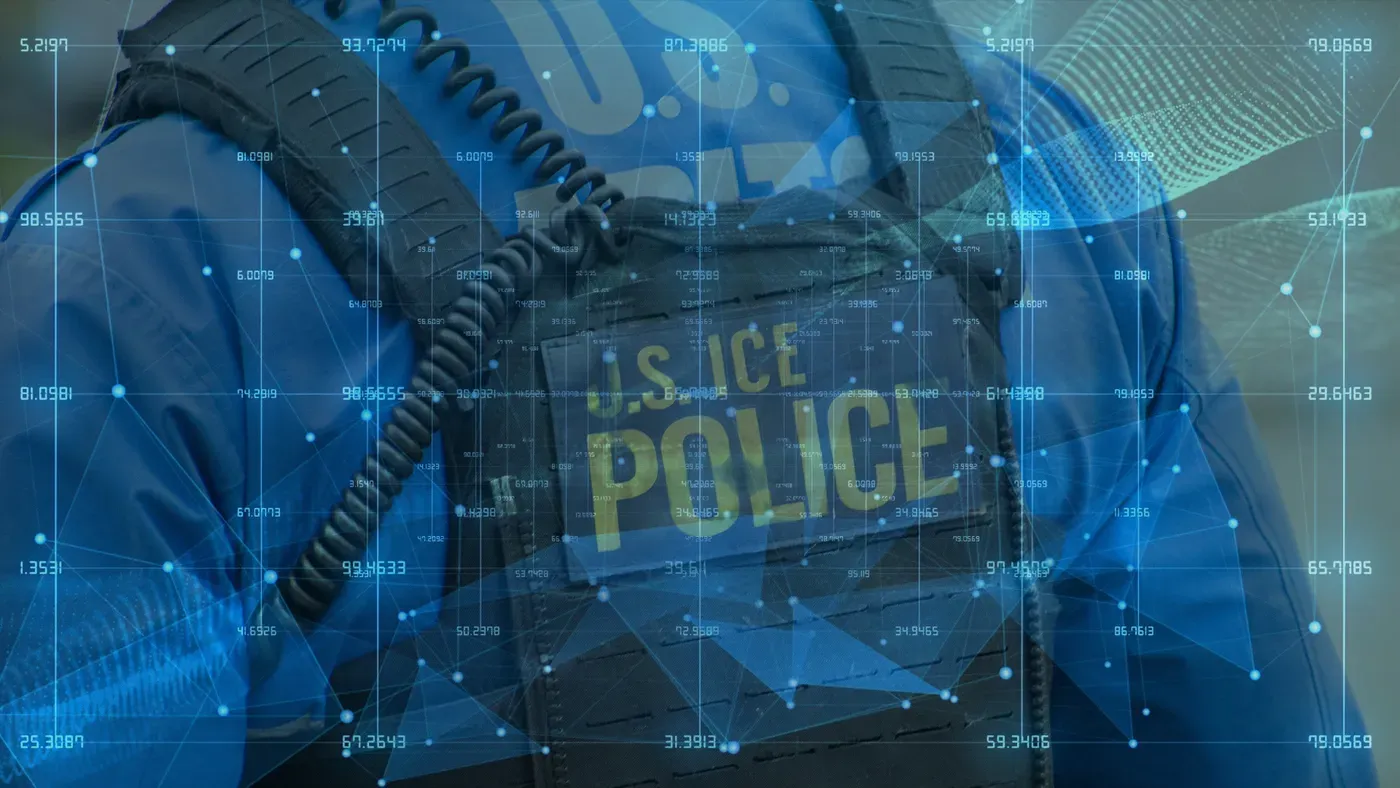
A major security breach at the Department of Homeland Security has exposed the personal details of over 41,000 employees, including those working in government cybersecurity.
The breach is believed to be the work of a hacktivist group known as the Department of Peace, who targeted an Okta single sign-on service used by DHS. The hackers stole a vast amount of employee data, including names, contact information and assignments.
This sensitive information has been made publicly available through a searchable database called Icepick on the Distributed Denial of Secrets website. The database contains not only personal details but also details about employees' roles, chains of command, and agent identities across various agencies, such as Immigration and Customs Enforcement.
The hacktivist group behind the breach, Department of Peace, has described it as an "unprecedented" and "massive exposure of DHS's internal structure. They claim that this dataset will have a significant impact on the department for years to come, making it highly vulnerable to outside scrutiny.
The hackers' motivations appear to be linked to their opposition against government-led surveillance, particularly the increasing use of technology by agencies like ICE in their enforcement activities. The Department of Peace has cited DHS Secretary Markwayne Mullin's recent statement about ramping up immigration crackdowns as a reason for this breach.
The note attached to the leaked files reads: They have our information, so it's only fair that we have theirs." This statement suggests that the hackers are seeking revenge against what they see as unjust surveillance tactics by government agencies.
The DHS has confirmed it is investigating a potential security breach that may have compromised sensitive information.
In response to the leak, the agency has taken swift action to contain the situation by targeting sites hosting the stolen data, including the searchable archive domain of Icepick. The move aims to prevent further unauthorized access and sharing of the sensitive information.
The leaked files are substantial in scope, exposing not only basic contact details but also office addresses, phone numbers, and internal work systems of nearly 41,000 DHS employees. This raises concerns about the potential misuse of this data by malicious actors.
The hackers gained access to these sensitive areas through Okta, a secure portal for employee login. As a result, they obtained an inventory of surveillance applications used by ICE, including specialized software such as Penlink and AI tools like ChatGPT and Gemini.
The massive DHS breach has sparked a heated debate about institutional legitimacy, with many viewing the exposure as forced transparency against a federal department that has acted with impunity. The release of sensitive information raises questions about accountability and oversight within the government.
DHS employees who have been exposed through the Icepick data are not just ordinary personnel, but rather individuals who play key roles in shaping policy and operations within the agency. This strategic release of information highlights the disconnect between those who create policies and those who must implement them on the ground.
The public's response to the breach has been telling, with many taking to social media to express support for the hacktivists behind the leak. Comments accompanying an NPR story on the incident reveal a segment of the population that sees the exposure as poetic justice against an agency known for aggressive enforcement and widespread surveillance.
As a result of the escalating tensions surrounding government surveillance, tech companies are facing growing pressure to cancel contracts with ICE and DHS agencies. This internal crisis is being driven by employees who are sounding the alarm about the moral implications of working with such entities.
The recent breach has also underscored the vulnerability of federal agents and their surveillance toolkits to hacking and leaks. As hacktivists continue to target the infrastructure of these agencies, it remains to be seen how they will respond to this growing threat.
A growing number of employees at Boston Dynamics have expressed their discomfort with the company's work being used by US Immigration and Customs Enforcement (ICE). Hundreds of staff members signed a petition stating they cannot be proud of their work when it is utilized by an agency responsible for mistreating civilians.
The recent massive breach of the Department of Homeland Security (DHS) cyber systems is not an isolated incident. Earlier this year, the Electronic Frontier Foundation revealed the emergence of groups working on counter-surveillance projects targeting ICE. These initiatives include tools and applications aimed at tracking officers' movements and countering surveillance cameras capable of reading license plates.
The Electronic Frontier Foundation emphasizes that individuals are not helpless in the face of government surveillance. Senior Staff Technologist Cooper Quintin noted that even with advanced technologies, there are ways to engage in self-defense against these measures. This message appears to be resonating with hacktivists who continue to target government agencies' infrastructure.
As hacktivist efforts escalate, it remains to be seen how the targeted agencies will respond to this growing threat and adapt their strategies to mitigate potential future breaches.
Facts based on reporting originally published by CNET.
You may republish this story, in full or in part, if you credit News Central Site and link to it (licence CC BY 4.0). Photos are not included.