Artificial Intelligence Makes Grading Homework Futile
The rise of artificial intelligence has led educators to struggle with grading homework due to AI-generated content among students.
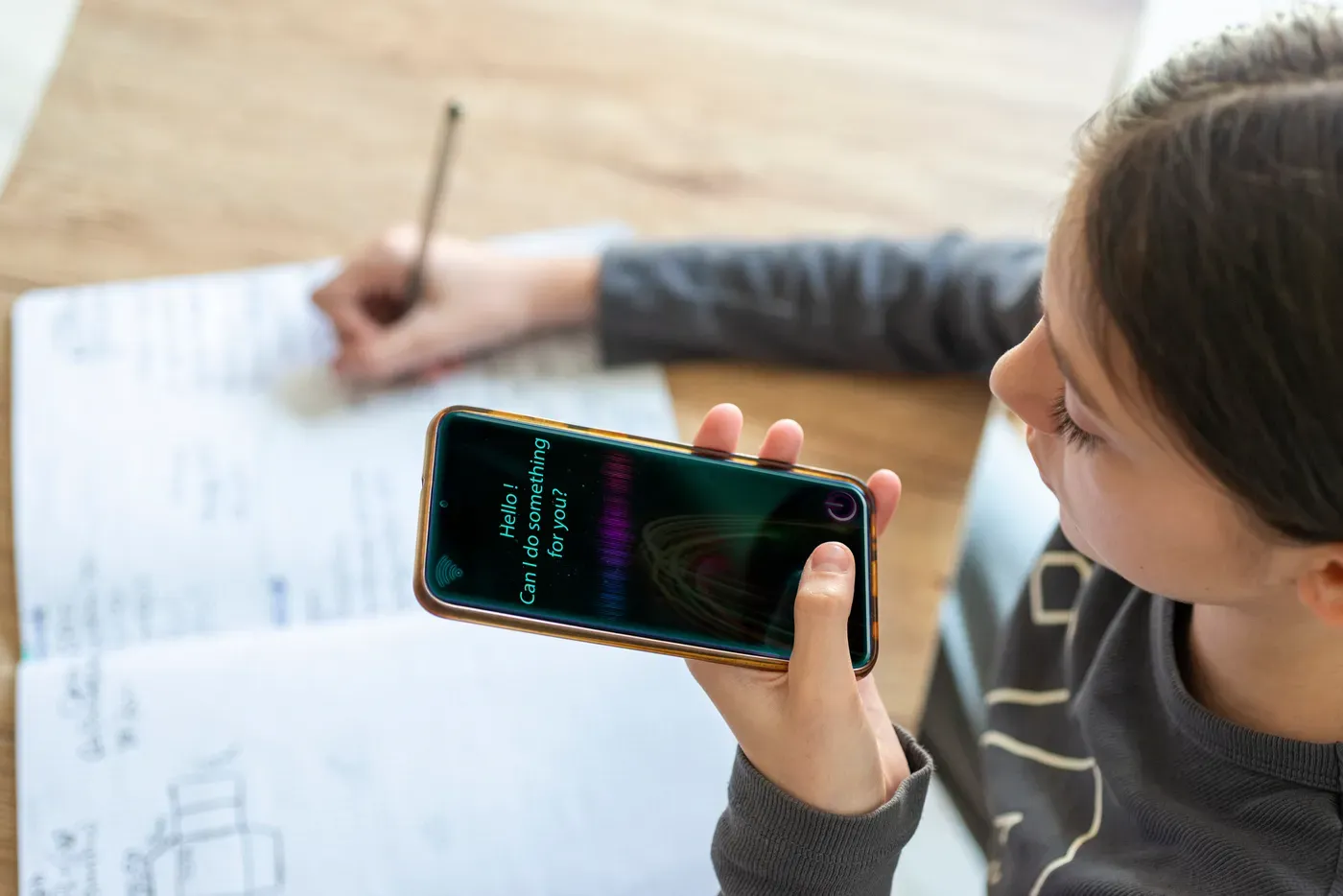
The rise of artificial intelligence has led to a shift in the way educators approach grading homework, making the task increasingly futile.
As an educator myself, I can attest that reviewing and providing feedback on assignments was always one of the most challenging aspects of teaching. It's a barometer of how effectively we're conveying course concepts and essential information to our students.
However, with AI tools becoming more prevalent since their introduction in late 2022, grading homework has become an exercise in frustration. The proliferation of sophisticated chatbots and AI agents has led to a significant increase in the use of AI-generated content among students.
In advanced courses like those I taught at Arizona State University's Walter Cronkite School of Journalism and Mass Communication, reviewing homework turned into a daunting task. It was like searching for a needle in a haystack, as I had to be constantly on the lookout for signs of AI-generated text and ideas.
The tools available to detect such instances were woefully inadequate, making it even more difficult to determine what was genuine student work and what was not.
The ease of using AI tools to complete assignments online had become a significant concern for educators like myself. I often suspected that some students were outsourcing their work entirely, but verifying this was nearly impossible. The perfect grades and consistent quality of submissions raised suspicions about the authenticity of student work.
To investigate further, I started running student assignments through various AI chat tools to compare with submitted work. This process was often inconclusive, leaving me uncertain about the extent of AI usage among my students. However, by the time I left teaching earlier this year, I had developed a growing conviction that many online students were using AI to complete their assignments.
The sheer scale of AI-assisted cheating became more apparent in my small in-person classes. Several confrontations arose over the unauthorized use of AI tools to complete assignments. One incident stood out as particularly telling: a student gave an early semester presentation but struggled to explain the ideas behind it when questioned by classmates.
This inability to articulate their own creative process raised significant questions about the authenticity of the work. It was clear that some students were relying on AI-generated content, but the extent and prevalence of this practice remained unclear. The ease with which AI tools could be used to complete assignments had fundamentally altered the dynamics of online learning.
The implications of widespread AI-assisted cheating for educators like myself were profound. The traditional measures used to detect such instances were woefully inadequate, making it increasingly difficult to distinguish between genuine student work and AI-generated content.
The student's admission of using ChatGPT to create part of their assignment was a wake-up call for me as a teacher. Despite promising not to use AI again in my class, they continued to rely on it for subsequent assignments.
This experience highlighted the challenges that educators face when trying to detect AI-generated content. The traditional methods used to identify cheating are no longer effective, making it increasingly difficult to distinguish between genuine student work and AI-generated material.
The university's stance on AI is still evolving, with administrators grappling with how to address the issue. When I consulted with my supervising dean about referring the case to the academic integrity board, they emphasized that it was at my discretion and that the institution was struggling to find a clear approach.
Some may argue that cheating is an inevitable consequence of competition, where individuals feel compelled to gain an unfair advantage in order to succeed. This mindset can be seen in everyday situations, such as tax evasion or exploiting loopholes in games like Monopoly.
However, education is not a competitive endeavor, but rather a personal journey aimed at developing skills and knowledge that can be applied throughout life. While school environments may foster competition, the ultimate goal of learning is to acquire fluency and understanding that can be used with ease and confidence.
The rise of artificial intelligence has led students to rely on instant answers and passable solutions, often without fully grasping the underlying concepts. This approach can foster a culture of superficial learning, where students prioritize grades over genuine understanding.
Educators must now adapt to this reality, as traditional methods of teaching may no longer be effective in today's AI-driven environment. Until such time as technology seamlessly integrates with human cognition, educators will need to find new ways to engage and assess their students' true abilities.
Facts based on reporting originally published by CNET.
You may republish this story, in full or in part, if you credit News Central Site and link to it (licence CC BY 4.0). Photos are not included.