Russian Forces Use Drones to Guide Infiltration Teams Through Ukraine
Ukrainian defenses are being breached by small teams of soldiers who infiltrate between enemy positions using drones for navigation assistance.
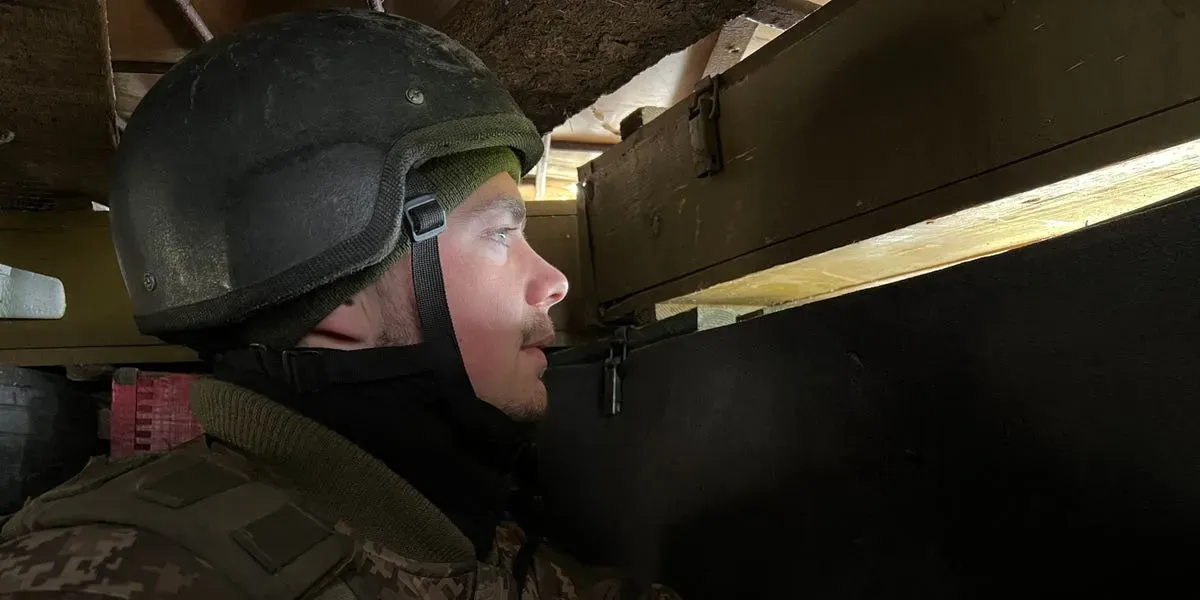
Russian forces have been employing a stealthy tactic to breach Ukrainian defenses, using small teams of soldiers who infiltrate between enemy positions to create chaos.
These infiltration teams are often sent to slip in undetected, where they can disrupt Ukrainian supply lines and isolate outposts by reporting back to their units on troop-rotation routes.
The use of drones has become a key component in guiding these small groups through the front line, providing them with crucial navigation assistance, especially at night when visibility is low.
However, this tactic has its limitations, as the presence of drones can sometimes inadvertently reveal the approach of Russian forces to Ukrainian units.
The use of drones by Russian forces has been observed guiding infiltration teams through Ukrainian territory. Reconnaissance drones fly above or slightly ahead of infantrymen, providing real-time visual guidance to commanders via radio communications. The feed from these drones is used to direct the movement of troops, specifying turns and next steps.
However, this tactic can inadvertently alert Ukrainian units to the presence of enemy forces. When drones are used in this way, they sometimes serve as a telltale sign, revealing the approach of Russian groups to Ukrainian positions. This has been observed by both sides in combat situations.
Russian infiltration teams also rely on GPS coordinates and drones to navigate through hostile territory. According to Volodymyr Golyagin, head of a communications department, prisoners have revealed that they are taught to recognize their own side's drones, which guide them along designated routes. Once they reach their destination, Russian forces switch to radio communication, attempting to evade Ukrainian FPV drones.
In some cases, Russian groups use abandoned or damaged structures for shelter, targeting these locations with drone crews. Golyagin noted that once the teams are on the ground, they are left to fend for themselves, dodging attempts by Ukrainian FPV drones to strike them.
As Ukrainian forces attempt to intercept and neutralize Russian infiltration teams, they face a challenge in detecting these small groups before they reach their targets. The Russian troops have adapted by using concealment tools such as thermal-imaging cloaks to remain undetected.
According to Yabchanka's estimates, approximately 90% of enemy infantry are eliminated while still approaching the Ukrainian positions. This high success rate is a testament to the effectiveness of the combined efforts of intelligence gathering and precision strikes. The use of guide drones has become an essential component in this strategy.
Kateryna Stepanenko, the Russia team lead at the Institute for the Study of War, notes that the employment of guide drones represents an evolution of earlier tactics. In these earlier instances, drones were used to gather intelligence and direct artillery fire, but now their role extends beyond mere reconnaissance. They provide critical support to infiltrators by offering real-time information on terrain, enemy positions, and potential threats.
The reliance on guide drones poses a significant risk, however, as their presence can inadvertently reveal troop positions on the ground. This vulnerability makes it essential for Russian forces to carefully balance the benefits of using these drones against the potential costs.
Facts based on reporting originally published by Business Insider.
You may republish this story, in full or in part, if you credit News Central Site and link to it (licence CC BY 4.0). Photos are not included.