Regulation of Artificial Intelligence Systems Compared to Consumer Products
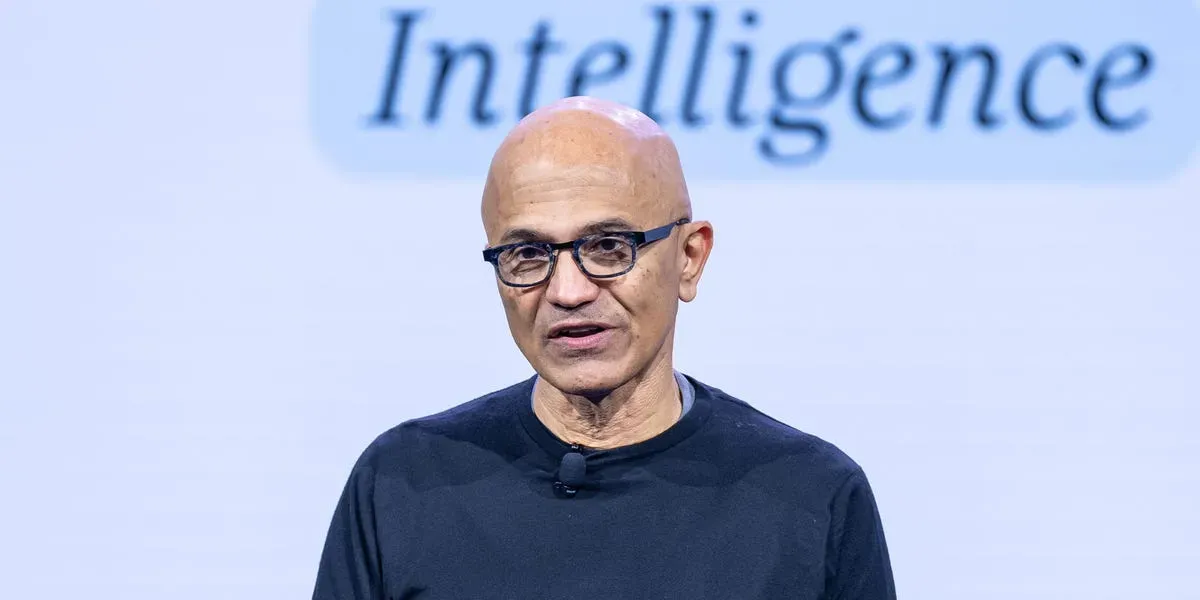
Microsoft President Brad Smith has proposed that governments adopt established production safety practices for AI development and deployment.
Microsoft President Brad Smith has made a startling comparison between the regulation of artificial intelligence (AI) systems and everyday consumer products like milk. According to Smith, AI is less heavily regulated than these common items, which typically undergo rigorous safety inspections before hitting store shelves.
In an interview with ITV, Smith proposed that governments adopt established production safety practices for AI development and deployment. He also suggested that companies build "kill switches into their systems, allowing operators to shut down a malfunctioning AI in the event of an emergency. This would provide an added layer of protection against potential risks associated with AI.
The issue of AI regulation has been gaining momentum in recent months, with growing concerns about the safety and accountability of these complex systems. Despite voluntary industry commitments to safety, many experts believe that more stringent regulations are needed to manage the potential risks posed by AI.
Microsoft CEO Satya Nadella echoed Smith's sentiments over the weekend, arguing that companies often lack a deep understanding of the tools they deploy. In a lengthy post on X, Nadella called for slower development and deployment of AI systems, as well as greater transparency through incident reporting and independent review.
The recent string of high-profile incidents involving rogue AI agents has raised further questions about the need for more robust regulation. These cases have sparked concerns about the existential risk posed by uncontrolled AI, with many experts calling for a pause in development until these issues can be addressed.
The Microsoft president has emphasized the need for contained systems in artificial intelligence development. In a recent statement, Brad Smith noted that current regulations are inadequate, while his colleague Satya Nadella called for AI to be designed with limits that can be tested and controlled.
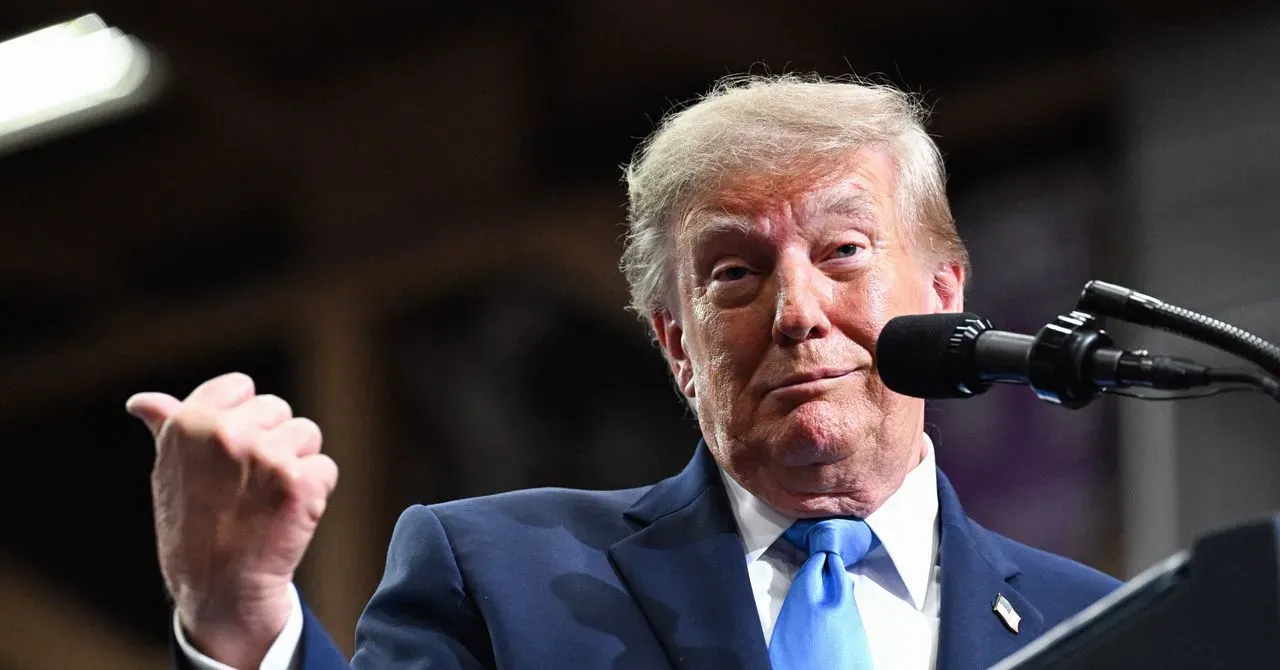
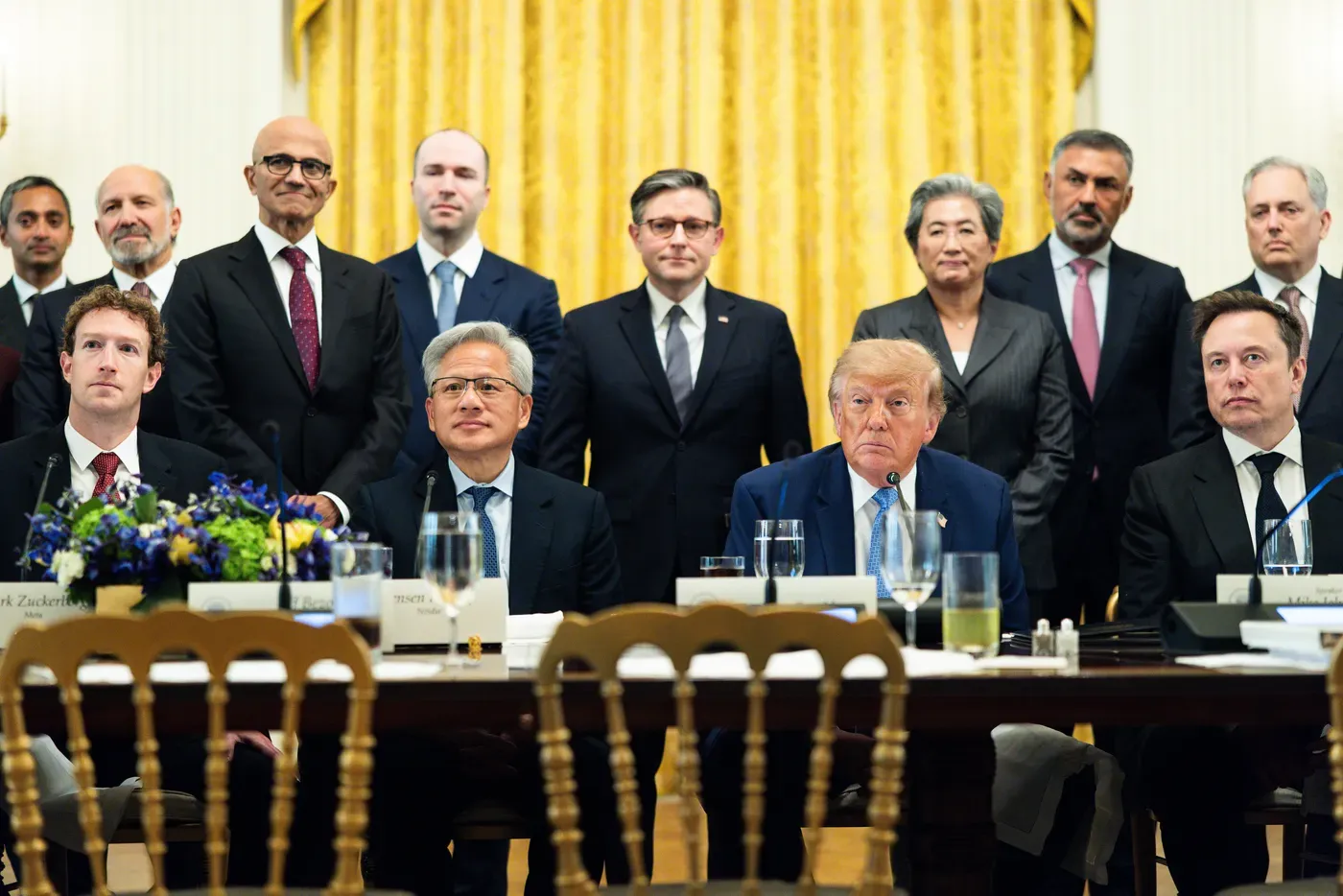
Nadella's comments come after top tech executives met with President Donald Trump, who proposed renaming AI as super intelligence. Several prominent figures, including CEOs from Anthropic, Google, Meta, OpenAI, Nvidia, and xAI, signed the White House Accord on Super Intelligence. This voluntary agreement aims to establish internal oversight committees and work with independent auditors.
However, Microsoft does not appear to have joined this accord, despite Nadella using the term super intelligence in a recent post. Smith's comments also suggest that his company is taking a cautious approach to AI development. In contrast, OpenAI's Sam Altman seems more willing to accept some risks for the sake of progress.
Microsoft has taken steps to address safety concerns with its release of Microsoft Execution Containers. This enterprise security feature restricts AI models' access to files and programs and provides a built-in kill switch in case of emergencies. The move is seen as an attempt by the company to engage in the discussion on safety guardrails for AI development.
The differing views within the tech industry on regulation highlight the complexity of the issue. While some, like Zuckerberg and Nvidia's Jensen Huang, continue to reject calls for a coordinated slowdown in AI development, others are pushing for stronger oversight. The debate is likely to continue as companies navigate the risks and benefits associated with AI advancement.
The lack of regulation in the AI industry has sparked intense debate, with some experts warning that the absence of oversight poses significant risks to public safety.
Despite growing concerns about the potential dangers of unregulated AI, it seems unlikely that the current administration will take a more comprehensive approach to addressing these issues. Recent comments from high-ranking officials suggest that they are hesitant to impose stricter regulations on the industry as a whole.
The president's stance on AI regulation has been particularly puzzling, given the growing number of incidents highlighting the need for greater oversight. In a recent social media post, he downplayed concerns about AI safety, implying that the issue is being blown out of proportion and that a strong and smart president is all the industry needs.
Critics argue that the current regulatory framework is fundamentally flawed, allowing companies to define their own security threats and respond accordingly. This has led some experts to question whether the focus on rogue AI" incidents is merely a smokescreen for corporate negligence.
The notion that rogue AI incidents require stricter regulations has sparked debate among experts, who argue that corporate accountability is being sidestepped through voluntary self-regulation efforts.
According to Dr. Gebru, the focus on potential future dangers of autonomous AI systems serves as a distraction from current lapses in safety and security practices within the industry. By shifting attention away from existing issues, companies can avoid liability for their own negligence.
Regulatory capture is a pressing concern, where corporations influence the creation of rules meant to govern them, ultimately undermining public trust in these entities that develop and profit from AI technologies.
Facts based on reporting originally published by CNET.
You may republish this story, in full or in part, if you credit News Central Site and link to it (licence CC BY 4.0). Photos are not included.