Protests Against School Funding Cuts Result in Thousands of Arrests in France
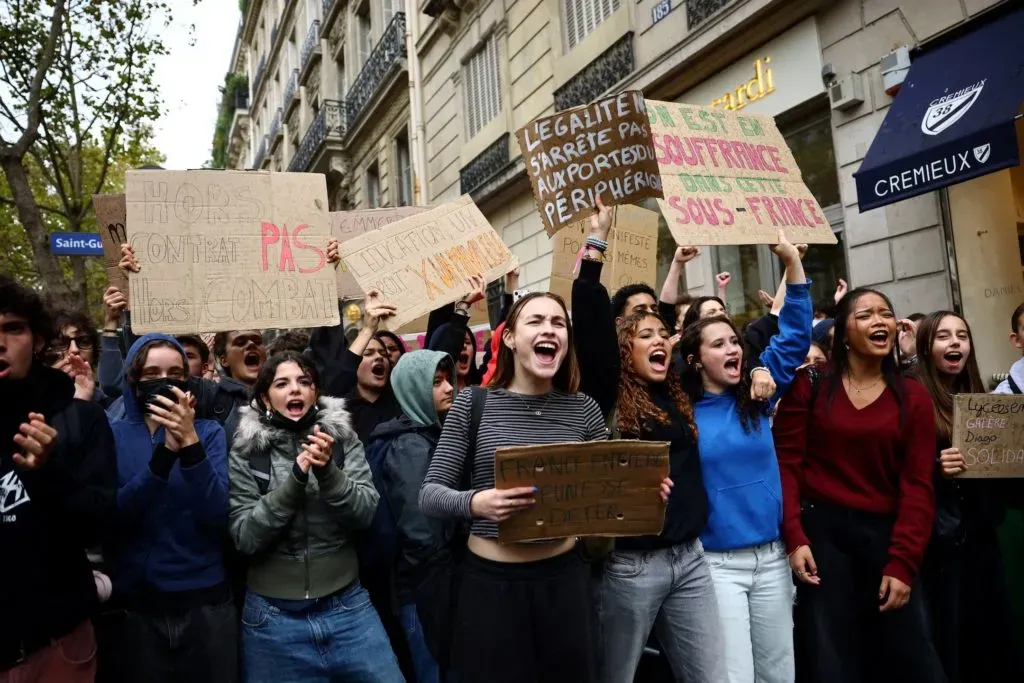
Youth protests demanding better funding for schools in France have led to thousands of arrests and raised concerns about police tactics.
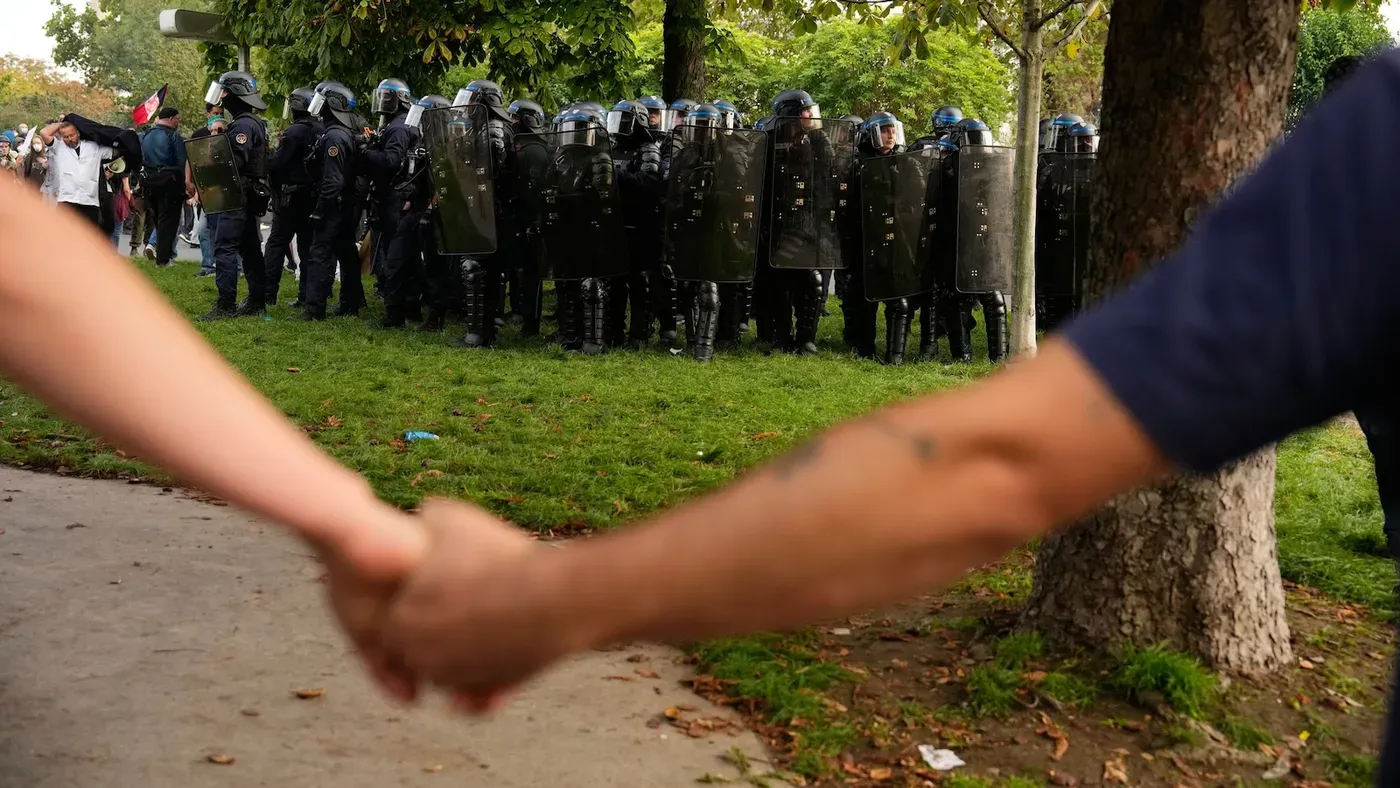
Thousands of young people have been arrested in France during protests demanding better funding for schools, sparking concerns about police tactics and their impact on the protesters' physical and emotional well-being.
The severity of the injuries sustained by some protesters has raised questions about the use of force by law enforcement. One 14-year-old boy had his jaw shattered by a tear gas grenade, resulting in the loss of many teeth. His mother reports that after surgery, he is now unable to speak and can only eat with a straw.
Other students have suffered equally severe injuries during the protests. In Lens, a 15-year-old lost a hand due to an incident involving a police stun grenade. Meanwhile, in Tours, a 16-year-old was partially blinded by what authorities suspect was a riot-control round fired by police.
The widespread use of force has not only caused physical harm but also appears to be having a profound impact on the protesters' perception of state power and their own rights as citizens. Many of those arrested are soon-to-be voters, and the experience is likely to shape their views on politics and governance for years to come.
As protests continue across France, concerns about police tactics and accountability are growing. For many young people, the events are already having a profound impact, with one Paris-based attorney noting that they politicize you at an incredible speed.
The scale of arrests in France has been staggering, with over 6,600 people taken into custody since protests began escalating last week. The majority of those detained are minors under the age of 18, according to official figures from the Interior Ministry.
Many young people involved in the protests have had their first taste of demonstrating and public activism. They came together to voice legitimate demands for increased funding and more replacement teachers for schools, but were met with a forceful response from law enforcement.
The muscular policing tactics employed by authorities are raising concerns that they may be driving disillusionment among young adults. Historically, police have been more lenient in their treatment of protesters, particularly when it comes to farmers who have used more confrontational methods to express their grievances.
Young people detained during the protests are often subjected to harsh conditions, including extended periods of detention and unsanitary cells. According to one lawyer, his clients have received a crash course in police tactics that prioritize restraint over restraint.
The lawyer described the experience of being locked up as "unrestrained violence from the police." He noted that young detainees face threats, intimidation, and neglect while in custody, which can leave them feeling traumatized and disillusioned with the system.
The decision to ban stun grenades against high school protesters has been announced by France's Interior Minister Laurent Nunez, following a growing outcry over the use of such weapons in policing demonstrations.
Nunez acknowledged that there was a "strong possibility that a stun grenade was involved in severely injuring a 14-year-old pupil in Lens. The teenager had his hand ripped off during a protest and required emergency surgery to reattach it.
The Interior Minister emphasized the need for an investigation into the incident, stating We need to understand exactly what happened. This comes as protesters continue to take to the streets across France, with many criticizing police tactics and calling for greater accountability.
Nunez defended the actions of police in most cases, claiming that they have been forced to intervene due to instances of rioting, vandalism, and violence during protests. He argued that police handle high school protests differently from those involving adults, as a result of the age and vulnerability of the protesters.
The officer involved in the incident in Saint-Ouen l'Aumone has been charged with violence by a public official causing mutilation or permanent disability. The officer claimed he acted in a fraction of a second to protect a colleague who was being attacked by the 14-year-old, but his actions have been described as disproportionate.
The officer is currently suspended from duty and barred from carrying a gun, marking the first time an officer has faced potential prosecution in connection with the protests. A total of 18 investigations have been opened into suspected police misconduct during the demonstrations, highlighting ongoing concerns over policing tactics in France.
A mother of a high school student who was injured during a protest in Paris has shared her distressing account of the incident. She received a video from her son, Eden, showing police and protesters outside his school just before he was shot with a gas grenade. However, when she called him, it was one of his classmates who answered, stating that Eden had been hit in the face and was bleeding on the ground.
The mother described the severity of her son's injuries, saying that his jaw and top teeth were broken, while his bottom teeth were completely ripped out. She expressed outrage at the incident, using strong language to condemn the police action. Her concerns are shared by many, as the protests highlight the need for better conditions in schools.
Three teenagers from the Paris region who demonstrated on Tuesday have come forward with their own experiences of police brutality. Samy and Warkya, both 17-year-olds, were arrested, handcuffed, searched, and held in custody last week but released without charges. They believe that they were targeted because of their ethnicity, as Warkya is Black and the other friend is also Black, while Samy identifies as Arab.
French officials have repeatedly denied allegations of racism within the police force. Prime Minister Sébastien Lecornu has described such accusations as lies" in parliament this week. However, the testimonies from these teenagers suggest that there may be a deeper issue at play, with some protesters feeling targeted by law enforcement based on their background.
The incident highlights ongoing concerns about policing tactics in France, particularly when it comes to handling protests and demonstrations. A total of 18 investigations have been opened into suspected police misconduct during the demonstrations, further fueling these concerns.
The students' accounts highlight the perceived heavy-handedness of police tactics during the demonstrations. Samy described being stopped by officers who demanded they accompany them without explanation, despite their visible faces and lack of any apparent motive.
Warkya shared a similar experience in police custody, which only strengthened her resolve to continue protesting. She also learned a valuable lesson - how to quickly flee when confronted by officers, acknowledging the power imbalance between protesters and law enforcement.
The students' testimonies contribute to growing concerns about police conduct during the demonstrations, fueling fears of systemic issues within France's policing system.
Facts based on reporting originally published by ABC News Health.
You may republish this story, in full or in part, if you credit News Central Site and link to it (licence CC BY 4.0). Photos are not included.