President Trump Faces Lawsuits Over Taxpayer-Funded Ads
Two new lawsuits have been filed against President Donald Trump's use of taxpayer funds to air television advertisements that promote his political message.
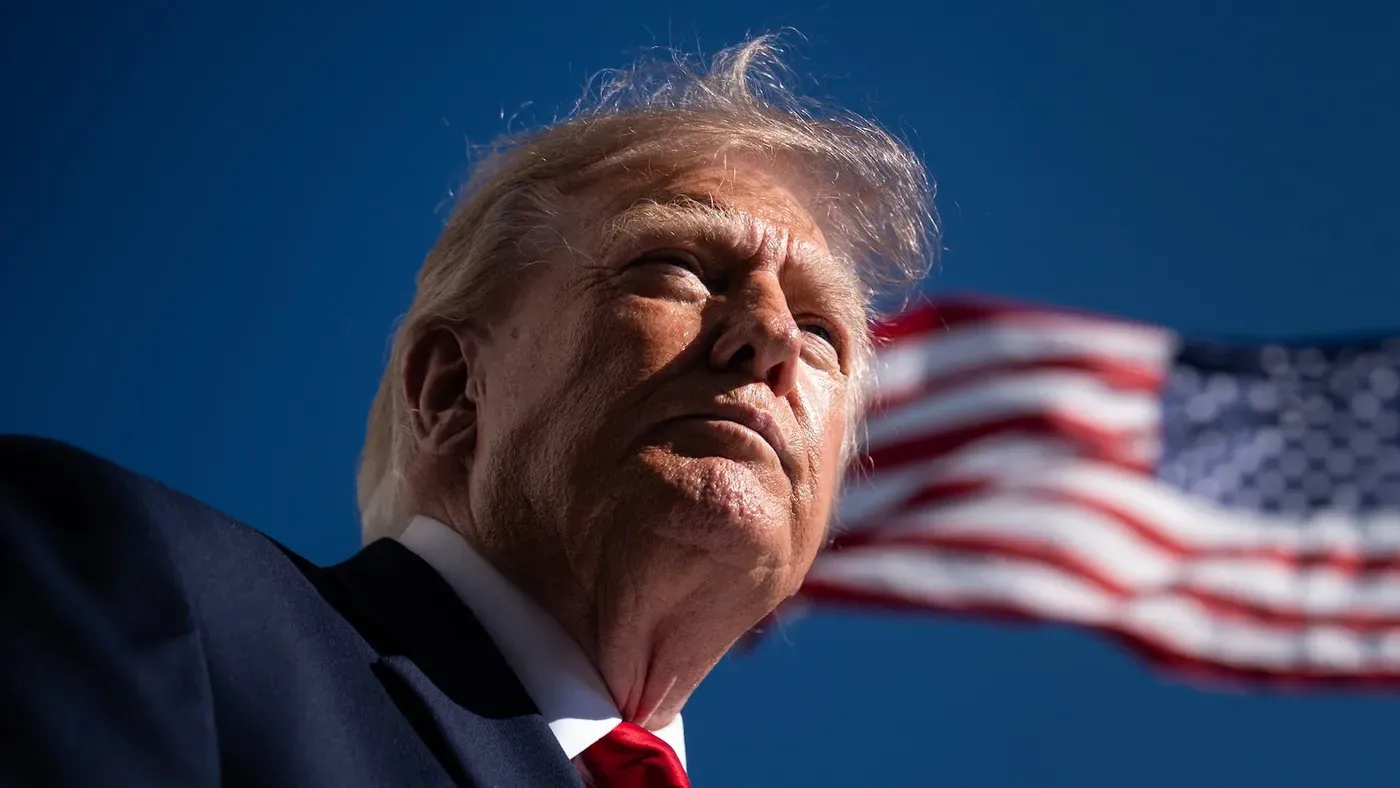
Two new lawsuits have been filed against President Donald Trump's use of taxpayer funds to air television advertisements that promote his political message.
The Democratic National Committee was among the first to take action, filing a lawsuit against the Republican administration on Wednesday. The committee alleged in its complaint that the ads constitute illegal government-sponsored propaganda and accused Trump of personally directing their production.
A second lawsuit was filed later on Wednesday by a coalition including Common Cause, a nonpartisan watchdog group, which also challenged the use of federal funds for the advertisements.
Critics have been quick to speak out against the TV spots, with both parties expressing disapproval over their content. The ads have now become the subject of two separate lawsuits seeking to block their continued funding by the government.
The Department of Homeland Security had awarded a $20 million contract for the campaign, which has already cost more than $12 million to run according to AdImpact, a media tracking firm.
Trump defended his use of taxpayer funds for the ads on Monday, describing them as "positive promotion for our Great U.S.A." but stated that he would start paying for them himself using his super PAC MAGA Inc. going forward.
A fifth taxpayer-funded advertisement promoting President Trump's military actions in Venezuela began airing on Tuesday, sparking further controversy over the use of public funds for political purposes.
The ad, which includes a notice stating it was paid for by the U.S. government, highlights Trump's efforts to capture Nicolás Maduro earlier this year. This latest development has added fuel to the debate surrounding the propriety of using taxpayer dollars for such advertising. The ad is just one part of a larger campaign that has been criticized as an abuse of public funds.
Democratic National Committee Chair Ken Martin condemned the practice, describing it as "a last-ditch attempt to save Republicans in November." He emphasized that Americans deserve better than to have their tax dollars used for what he characterized as Trump's "illegal schemes."
The ad buys placed prior to Trump's pledge to start paying for them with his super PAC are set to end this week. At that point, outside groups will begin footing the bill, according to a person familiar with the campaign who wished to remain anonymous.
Meanwhile, a second lawsuit has been filed by Democracy Forward on behalf of Common Cause and other organizations, challenging the use of taxpayer funds for these advertisements. The plaintiffs argue that taxpayers should not be burdened with the cost of the president's politics.
The White House's defense of the taxpayer-funded ads has been met with skepticism by critics who argue they violate federal law. The Homeland Security money used for the ads comes from a $175 million package allocated to the department as part of Trump's immigration enforcement agenda.
This allocation has raised concerns among legal experts, who suggest that the use of congressionally appropriated funds for publicity or propaganda purposes may be in violation of federal statutes. Furthermore, the fact that these ads are nearly identical to campaign materials used during Trump's presidential reelection bid has sparked additional controversy.
The White House claims the ads serve as public service announcements, similar to those used by past administrations to promote various policies. However, unlike traditional public service announcements, these ads do not aim to inform or benefit the public about specific government programs.
Ultimately, the outcome of this legal challenge will depend on the courts' interpretation of federal laws and their application to the White House's actions.
Facts based on reporting originally published by ABC News Politics.
You may republish this story, in full or in part, if you credit News Central Site and link to it (licence CC BY 4.0). Photos are not included.