Myanmar Found Responsible by ICJ for Genocide Against Rohingya
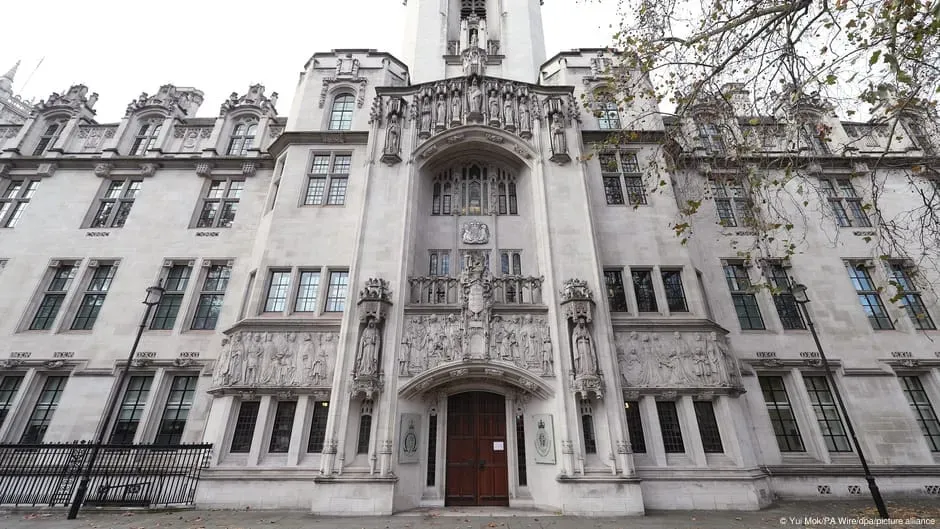
The International Court of Justice has delivered a verdict finding Myanmar responsible for breaching several obligations under international treaties related to preventing and committing genocide.
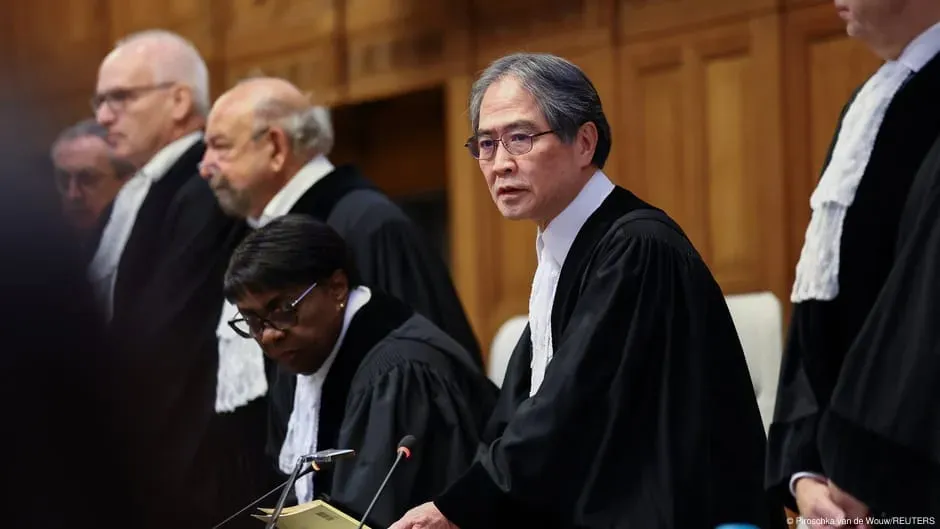
The International Court of Justice (ICJ) has delivered its long-awaited verdict on the Rohingya crisis, ruling that Myanmar is responsible for breaching several obligations under international treaties related to preventing and committing genocide.
According to the ICJ's president, Judge Yuji Iwasawa, a panel of 15 judges voted nine to six in favor of finding Myanmar guilty of perpetrating genocide against the Rohingya population in Rakhine state. This decision marks a significant development in the ongoing investigation into the violence that forced hundreds of thousands of Rohingya to flee their homes.
The ICJ's ruling also includes findings of specific violations committed by Myanmar, with the judges deciding by majority vote on these matters. The court's president emphasized the gravity of its verdict, stating that the evidence presented points overwhelmingly to an intention to destroy a substantial part of the Rohingya population in northern Rakhine State.
Judge Iwasawa stressed the importance of Myanmar taking concrete steps to address the harm caused to the Rohingya people. He urged the government to facilitate the safe return of refugees and their families, as well as to establish mechanisms for investigating and prosecuting individual wrongdoing by its nationals and security forces.
The ICJ's decision is significant because it recognizes the Rohingya as a distinct ethnic group with their own language and culture. This designation means they qualify as a protected group under international laws aimed at preventing genocide.
The ICJ's ruling has highlighted a litany of atrocities committed by Myanmar's security forces against Rohingya civilians during the 2017 clearance operations. Thousands of people were killed in these brutal campaigns, while extreme violence was also perpetrated against children.
Judge Iwasawa emphasized that the court is fully convinced that these clearance operations caused significant harm to many members of the protected group. The scale and severity of this suffering are a stark reminder of the need for accountability and justice.
Myanmar's government has been criticized for its failure to investigate alleged atrocities, as well as its refusal to provide access to evidence and witnesses. This lack of cooperation has hindered the court's ability to gather reliable information about the situation on the ground in Myanmar.
The ICJ's findings have also raised questions about the role of non-state actors in perpetrating violence against Rohingya civilians. While some civilian participation may be seen as spontaneous or uncoordinated, the court has found that the government and security forces bear significant responsibility for creating an environment conducive to such atrocities.
The international community has been given a stark reminder of the atrocities committed against the Rohingya people in Myanmar. A key figure in the fight for justice, Rohingya activist Yasmin Ullah, hailed the verdict as a major breakthrough, but also acknowledged that it was not about validation.
She pointed out that the world's highest court had finally acknowledged what the Rohingya community has known all along - the truth of their suffering. The ruling is seen as a significant step towards accountability and recognition of the rights of this marginalized group.
Wai Wai Nu, another prominent Rohingya activist, reflected on the decades-long struggle for identity and existence in Myanmar. She noted that the Burmese military had consistently tried to erase the Rohingya's cultural heritage and dismiss their experiences.
The ruling has also sparked a response from various stakeholders, including Nay San Lwin of the Arakan Rohingya National Council. He emphasized that justice for the Rohingya means more than just recognition - it requires safe return and restoration of citizenship.
The verdict delivered by the UN court has sparked a flurry of reactions from world leaders.
UN Secretary General Antonio Guterres hailed the decision as a significant milestone in recognizing the atrocities committed against the Rohingya people.
In a statement, Guterres underscored the importance of Myanmar taking immediate action to comply with the court's ruling, emphasizing that this includes ensuring the safe and voluntary return of Rohingya individuals to their homes.
Gambia's Justice Minister Dawda Jallow expressed his country's pride in playing a key role in bringing about justice for the Rohingya people, who have endured unimaginable suffering.
The UK Foreign Secretary Ed Miliband announced plans to expel Myanmar's defense attache from London as an immediate response to the judgment.
The ruling by the top UN court has sparked widespread condemnation of Myanmar's actions against its Rohingya minority.
The violence that erupted in Rakhine state in 2017 was the culmination of years of tensions between the predominantly Muslim Rohingya and the country's military, which had been planning a crackdown for some time.
A coordinated attack on police and military installations by a Muslim militia group in August 2017 triggered the most intense phase of the violence, with the military launching clearance operations that led to thousands of deaths.
In total, around 10,000 people are believed to have died as a result of these operations, while hundreds of thousands more fled to neighboring Bangladesh.
The International Court of Justice (ICJ) has delivered its verdict on the Rohingya crisis, ruling that Myanmar's military committed genocide against the ethnic minority group. Aung San Suu Kyi, who was Myanmar's civilian leader at the time, had defended her country's actions in court, describing the allegations as "incomplete and incorrect."
The ICJ's decision is likely to have significant implications for other international courts considering similar cases, including those involving Israel over its war in Gaza and Russia over its invasion of Ukraine.
Facts based on reporting originally published by DW English.
You may republish this story, in full or in part, if you credit News Central Site and link to it (licence CC BY 4.0). Photos are not included.