Oil Tanker Traffic Remains Steady Despite Ongoing Threats from Iran
Despite ongoing attacks from Iran, oil tanker traffic through the Strait of Hormuz has remained steady due to protection from the US military and alternative pipelines.
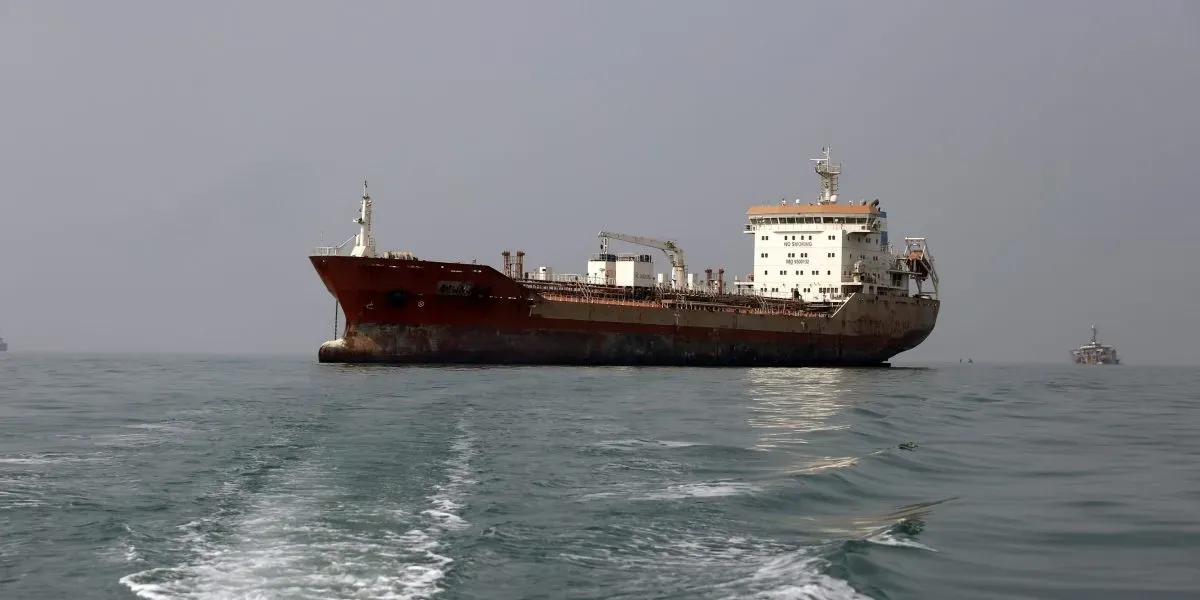
The Strait of Hormuz has become a high-stakes route for oil tankers and commercial vessels, despite ongoing attacks from Iran.
Despite these threats, oil tanker traffic through the narrow waterway has remained steady, thanks in part to protection from the US military and alternative pipelines that bypass the strait. As a result, oil flows from the Persian Gulf have returned to pre-conflict levels.
However, Iran has recently escalated its drone and missile strikes on ships, targeting vessels even outside the immediate area of the Strait of Hormuz. This increased aggression has resulted in a slight dip in traffic, but many ships continue to make the perilous crossing.
In an effort to attract crews willing to take on this risk, shipowners are offering generous pay packages, with tanker captains earning up to $100,000 per month for transiting the strait, plus a $50,000 bonus per trip.
The lucrative hazard pay packages being offered to sailors transiting the Strait of Hormuz have created an unusual dynamic, where some crew members are earning significantly more than usual due to the high risk involved.
Trips through the strait can increase earnings by a staggering four to six times the normal rate, making it a highly attractive option for those willing to take on the danger. This is in stark contrast to the typical monthly salary of $1,500 that sailors usually receive.
Other hotspots, such as the southern Red Sea and the Gulf of Oman, also offer hazard enhancements, albeit at lower rates than those available for Hormuz trips. In these areas, captains and sailors can expect double pay due to the ongoing risks from attacks by Houthi rebels in the former and ship-to-ship transfers in the latter.
The constant threat of attacks has led to a situation where many ships and their crews are dedicated to shuttle runs through the strait, allowing them to accumulate multiple bonuses and danger payments for each trip. This has created an atmosphere where sailors who take on this risk are often viewed as mercenaries, although some unwilling crew members have reportedly been pressured to stay onboard.
The financial burden of war risks is also being borne by shipowners, with insurance premiums commanding up to 10% of a ship's value, equivalent to $20 million for a supertanker sailing through the Gulf.
The soaring costs of shipping have reached a critical point, making it more expensive than ever for oil and other goods to be transported across the globe. The Strait of Hormuz, a vital shipping route that connects the Persian Gulf to the Arabian Sea, has become a major contributor to these increased expenses. Freight rates for ships passing through this strategic waterway have hit a record high of $1.3 million per day.
The sharp increase in freight costs is also having a ripple effect on global markets, contributing to a severe shortage of tankers that are available for hire. This shortage has driven up the cost of shipping oil and other goods even further, with some ships now commanding prices equivalent to those of luxury yachts. The financial burden of this tanker shortage is being felt by all parties involved in international trade.
The extreme costs associated with shipping have become so high that many companies are now considering investing in their own tankers to control expenses. This move is being driven by oil producers and commodities traders, who see the benefits of owning their own vessels as a way to mitigate the risks and uncertainties of the global shipping market. By doing so, they hope to gain greater control over costs and ensure the smooth transportation of goods.
The high cost of shipping has also had a significant impact on refineries, with some analysts warning that further increases could lead to reduced production levels. European refiner Repsol is one example of this trend, having seen its margins drop from $36 per barrel in the third quarter to just $15 in October, according to RBC analysts. If freight costs continue to rise, it could have far-reaching consequences for the global economy.
The Strait of Hormuz remains a high-risk area for ships transiting through it, and the ongoing tensions in the Persian Gulf could further exacerbate the situation.
Analysts have warned that if Iran feels its rule is under threat, it may re-escalate the conflict and take control of the oil trade. The country's ability to destroy regional oil infrastructure, including drilling and refining capacity, has not been forgotten by experts monitoring the situation.
The potential for a "scorched earth" campaign by Iran could have severe consequences, with some analysts warning that it may yet happen if tensions persist.
Facts based on reporting originally published by Fortune.
You may republish this story, in full or in part, if you credit News Central Site and link to it (licence CC BY 4.0). Photos are not included.